Independent Testing Finds Widening Gap in Solar Module Efficiency Claims

Representational image. Credit: Canva

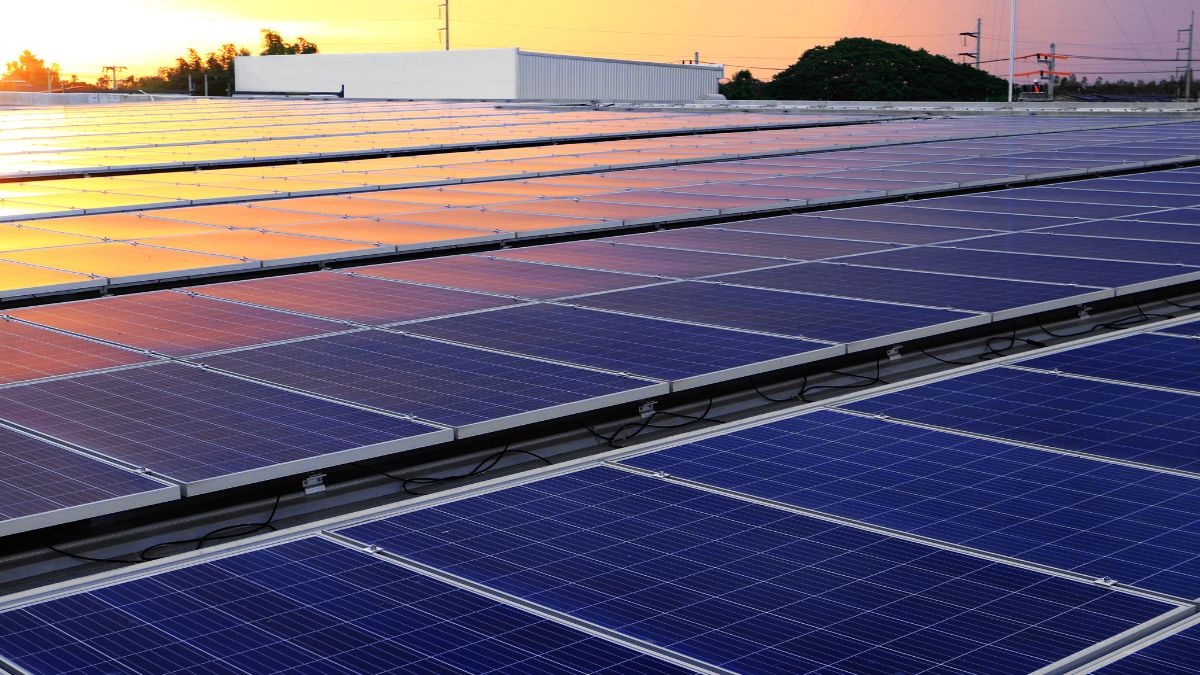
A study by the Fraunhofer Institute for Solar Energy Systems (Fraunhofer ISE) has revealed a growing discrepancy between the power output specifications of photovoltaic (PV) module manufacturers and the actual performance measured in laboratory tests. The findings, based on an extensive evaluation of over 70,000 PV module power measurements conducted since 2012 at the institute’s CalLab PV Modules, suggest that module performance has been consistently overstated in recent years.

Until 2016, Fraunhofer ISE’s laboratory measurements often showed PV modules delivering more power than their manufacturers claimed. However, a negative trend has emerged since 2017, with the discrepancy widening significantly between 2020 and 2023, leading to an average power reduction of about 1.3 percent compared to manufacturer specifications. Preliminary 2024 data indicates a slight reversal in this trend, but power deviations remain negative at 1.2 percent on average.

© Fraunhofer ISEUntil 2016, Fraunhofer ISE’s laboratory measured more power on average than promised by the manufacturer. Since then, a negative trend has become apparent, particularly in the years 2020 to 2023.

The research team, led by Daniel Phillip, head of the Department of Module Characterization and Reliability at Fraunhofer ISE, analyzed 1,034 performance measurements of monocrystalline silicon PV modules under standardized conditions. Their findings were presented at the 40th PV Symposium in Bad Staffelstein this week. Phillip noted that while deviations before 2016 were within an acceptable range, the growing negative discrepancies in recent years highlight a potential issue with overly optimistic power ratings by manufacturers.

According to Phillip, if the Fraunhofer ISE data is representative of the German PV market, the observed 1.2 percent underperformance in 2024 translates to an overall power shortfall of approximately 195 megawatts, equivalent to the output of one of Germany’s largest solar parks.

Prof. Andreas Bett, Institute Director at Fraunhofer ISE, emphasized the importance of independent quality control for PV modules, particularly as over 90 percent of PV components in the German and European markets are imported. The study filtered data rigorously to ensure accuracy, excluding inconsistent or statistically distorting samples and only considering modules from top 10 manufacturers each year.

Fraunhofer ISE has maintained a stable calibration standard over the years, verified by regular interlaboratory comparisons. The institute’s findings underscore the need for continuous monitoring and independent verification to maintain transparency and trust in the solar industry.

 

  • Related Posts

    Desert Solar Innovation Tackling Heat And Dust To Maximize Efficiency

    Representational image. Credit: Canva The global solar energy sector is growing rapidly, but the focus is now shifting from just adding more capacity to improving performance, especially in challenging environments.…

    International Energy Agency Brings 200+ Global Energy Leaders To Mexico City To Boost Efficiency And Energy Security

    Policymakers and industry leaders from across Latin America and the Caribbean gathered in Mexico City this week to exchange knowledge and best practices on strengthening energy efficiency as a pathway…

    Have You Seen?

    Altura Energy targets green helium growth amid market instability

    • April 17, 2026
    Altura Energy targets green helium growth amid market instability

    Kent to provide EPC for MorGen’s 20MW UK hydrogen plant

    • April 17, 2026
    Kent to provide EPC for MorGen’s 20MW UK hydrogen plant

    Inpex adds LNG carrier capacity amid rising supply fears

    • April 17, 2026
    Inpex adds LNG carrier capacity amid rising supply fears

    Poland’s Gaz-System heads toward EU hydrogen TSO status

    • April 17, 2026
    Poland’s Gaz-System heads toward EU hydrogen TSO status

    ITM Power joins Rheinmetall’s plans for hydrogen-based defence e-fuel network

    • April 17, 2026
    ITM Power joins Rheinmetall’s plans for hydrogen-based defence e-fuel network

    Trump’s Energy Leaders to Hold Call With CEOs on Iran War, Source Says

    • April 17, 2026
    Trump’s Energy Leaders to Hold Call With CEOs on Iran War, Source Says

    US-Iran Talks to Span Past Summer As Oil Flows Remain Disrupted

    • April 17, 2026
    US-Iran Talks to Span Past Summer As Oil Flows Remain Disrupted

    Analysis: Why government warnings are a sign of progress in the CO2 conversation

    • April 16, 2026
    Analysis: Why government warnings are a sign of progress in the CO2 conversation

    Analysis: Why government warnings are a sign of progress in the CO₂ conversation

    • April 16, 2026
    Analysis: Why government warnings are a sign of progress in the CO₂ conversation

    The Iran War Has Shattered Oil’s Price Compass: Bousso

    • April 16, 2026
    The Iran War Has Shattered Oil’s Price Compass: Bousso