© Indian Department of Atomic Energy
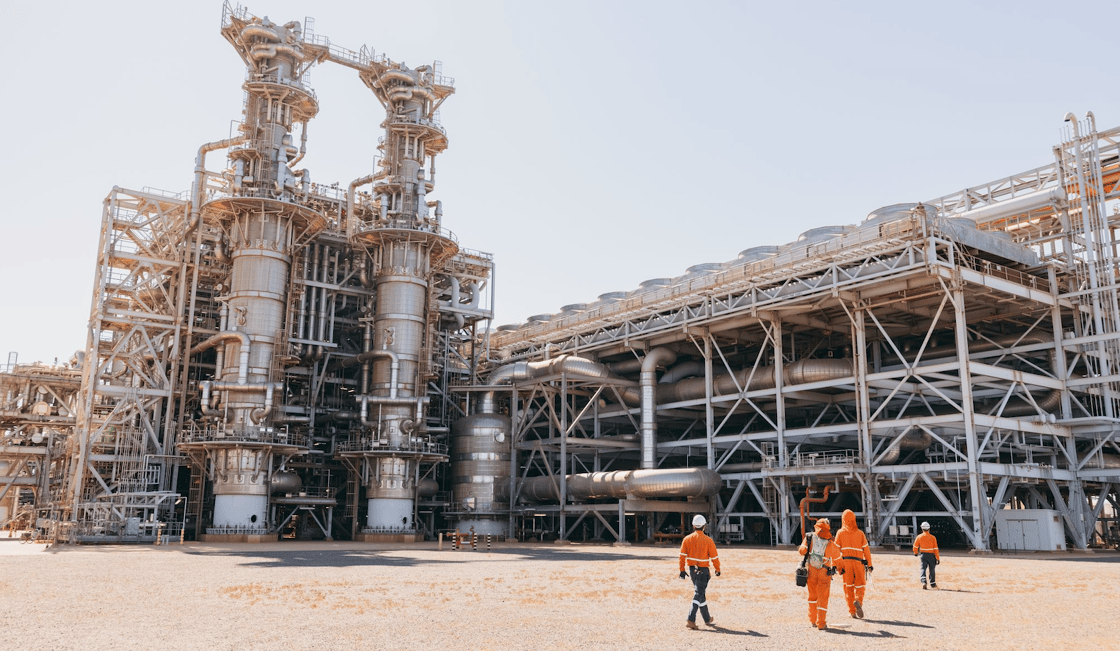
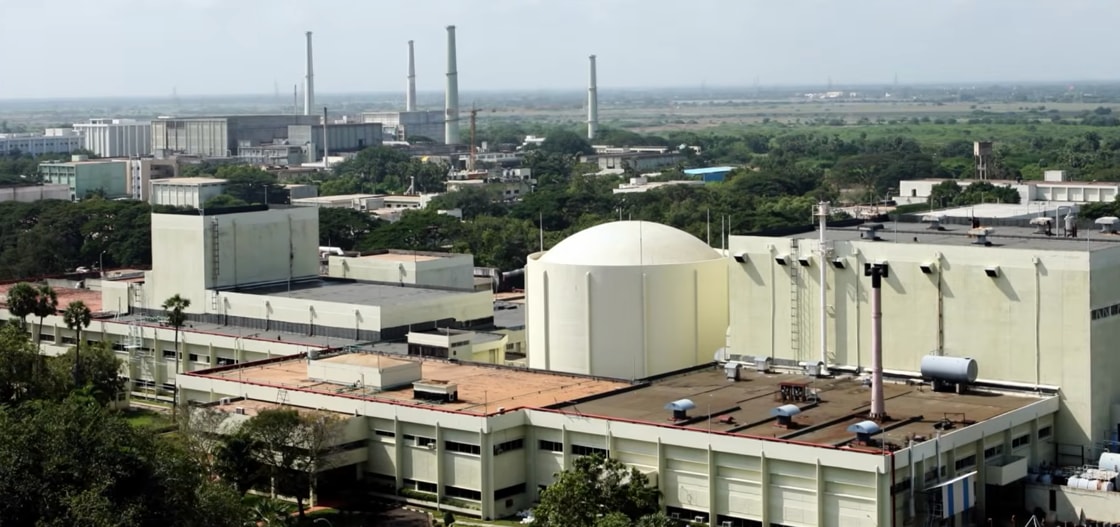
India’s Department of Atomic Energy (DAE) has commissioned a hydrogen production facility that uses heat generated from nuclear reactors, as it looks to unlock large-scale clean hydrogen.
The facility at the Indira Gandhi Centre for Atomic Research in Kalpakkam is hoped to validate the technology, which uses a copper-chlorine (Cu-CI) thermochemical cycle that uses nuclear heat, rather than electrolysis, to split water.
Details on the facility’s capacity and precise process remain unclear. However, the DAE described it as “one of the most promising” hydrogen production technologies under development.
In the process, heat from a nuclear reactor powers a series of chemical reactions involving reusable copper and chlorine compounds that split water. The copper and chlorine compounds are regenerated at the end of the cycle, meaning they are reused rather than consumed.
“Nuclear power, with its unique ability to provide reliable carbon-free electricity as well as high-temperature process heat, is ideally suited to support large-scale hydrogen production while contributing to India’s energy security, decarbonisation goals and long-term sustainable development objectives,” said DAE Secretary Dr Ajit Kumar Mohanty.
The project marks another step toward integrating nuclear energy with hydrogen production, which has so far primarily focused on using electricity generated by reactors.
Most nuclear-hydrogen projects today pair reactors with electrolysers. By contrast, thermochemical cycles aim to use reactor heat directly to split water, potentially improving efficiency if they can be scaled.
India is pursuing an ambitious green hydrogen strategy as part of its plans to reduce energy imports. The country also operates a nuclear fleet of around 8.8GW across 24 reactors.