By
47 min ago 2 min read
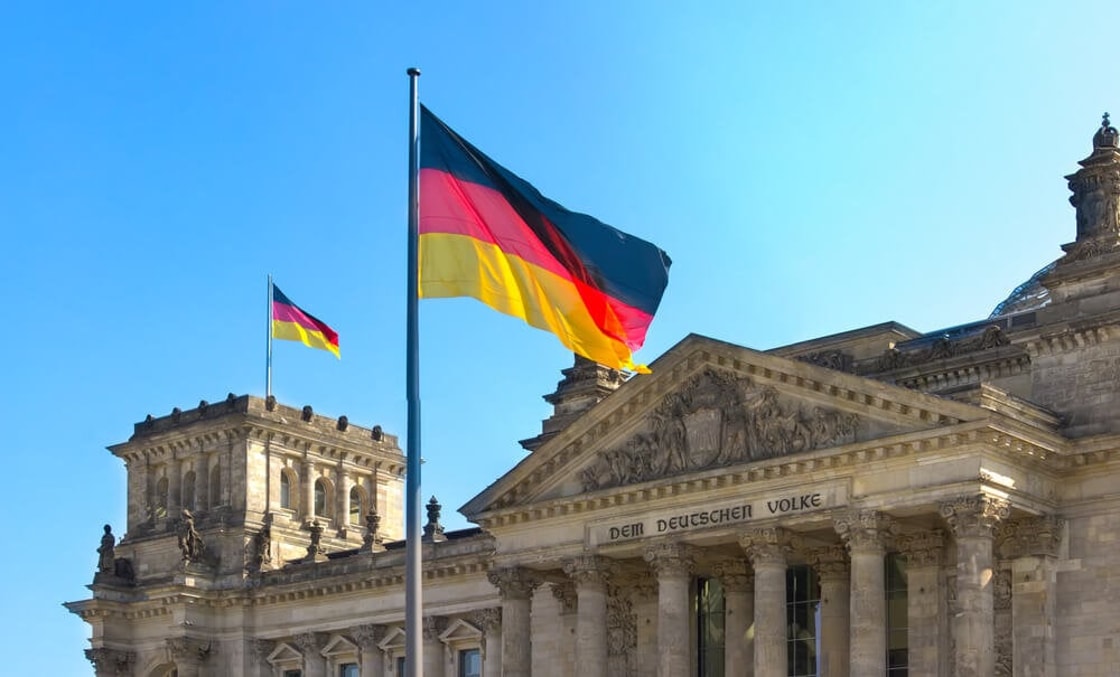
Berlin-based climate technology startup Ucaneo is set to commission a pilot electrochemical direct air capture (DAC) plant in Germany with a capacity to capture 150 tonnes of carbon dioxide (CO2) annually.
Located at Ucaneo’s Berlin-Marzahn site, the plant is believed to be Germany’s first DAC facility integrated with carbon storage, marking a step towards a full-scale commercial plant capable of capturing around 1,500 tonnes of CO2 annually.
Construction of the commercial-scale plant is expected to begin in 2027. With this, Ucaneo aims to capture half a gigatonne of CO2 each year by 2035.
Captured CO2 will be either geologically sequestered to create carbon removal credits for companies or used as a feedstock for sustainable aviation fuel (SAF), methanol production, and food and beverage products.
Ucaneo’s electrochemical DAC process removes CO2 from ambient air at a purity of over 99.9%. The process captures CO2, using a biomimetic solvent, from ambient air to form bicarbonate. A high-purity stream of CO2 is then released using electrodialysis.
Florian Tiller, CEO of Ucaneo, said, “[The company is] building the robust carbon removal infrastructure needed to scale from Germany’s first verified DAC and geological storage project to future deployments around the world.”
German technology business Siemens will deploy its automation services at Ucaneo’s Berlin-Marzahn project to standardise its DAC processes.
Last year, Ucaneo received €1.4m ($1.6m) in funding from the Investitionsbank Berlin (IBB) Profit programme, delivered through a mix of grant and loan, and co-funded by the European Union.