India’s drive to scale up biomethane production continues with a new compressed biogas project in Assam that will convert dairy waste into renewable fuel.
Purabi Dairy, the National Dairy Development Board (NDDB) and Suzuki R&D Centre India have signed a memorandum of understanding to develop a compressed biogas plant that will convert dairy and agricultural waste into biomethane and organic fertiliser.
The agreement is the latest example of India’s strategy to unlock value from its vast dairy industry while reducing methane emissions from livestock waste.
The project will be delivered by North East Dairy and Foods (NEDFL), a joint venture between the Government of Assam and NDDB that markets dairy products under the Purabi Dairy brand.
NDDB will provide technical and institutional support, while Suzuki R&D India will invest in the project and retain the carbon benefits associated with the emissions reductions.
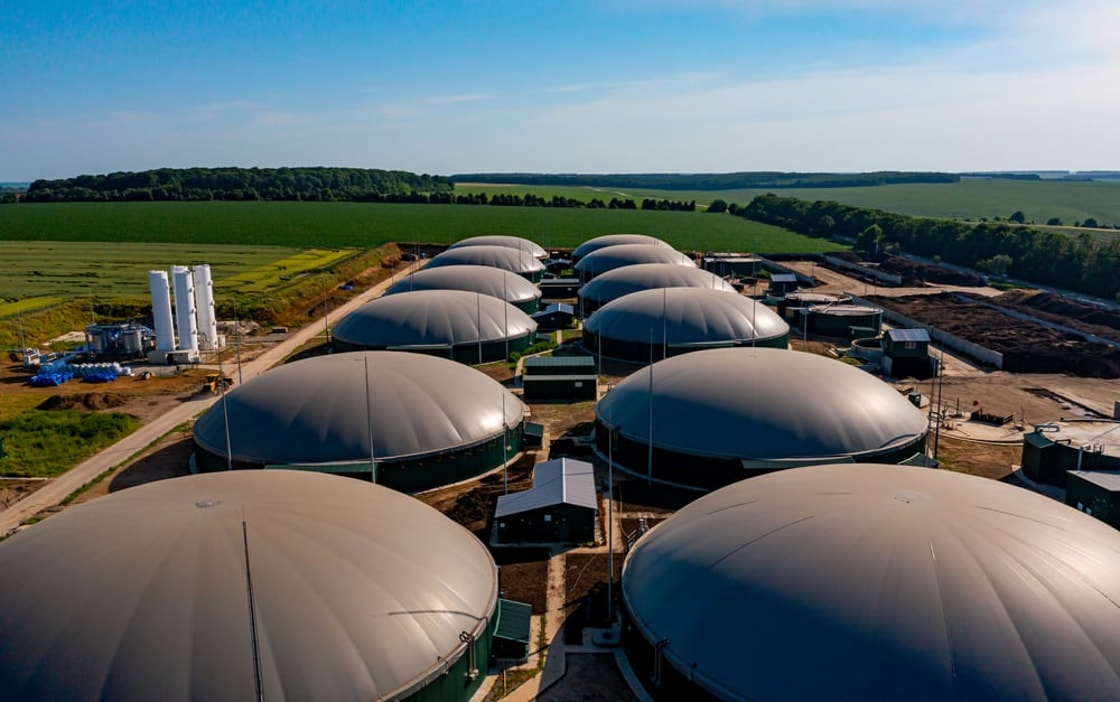
Once operational, the facility will process cattle manure and agricultural residues through anaerobic digestion to produce compressed biogas suitable for transport and industrial applications.
The plant will also generate organic fertiliser from the remaining digestate, creating an additional revenue stream for farmers while supporting more sustainable agricultural practices.
The development reflects a broader shift in India’s biogas strategy, with livestock manure now positioned as one of the country’s most abundant and underutilised renewable gas feedstocks.
Dairy farming produces major volumes of organic waste that can be captured before methane is released into the atmosphere, allowing it to be upgraded into compressed biogas as a low-carbon alternative to natural gas.
It is supported by initiatives such as the Sustainable Alternative Towards Affordable Transportation scheme and the GOBARdhan programme, which have encouraged investment in CBG production using agricultural residues, municipal organic waste and livestock manure.
Measures including guaranteed offtake agreements, blending mandates and financial incentives are intended to accelerate deployment across the country.
Suzuki said the Assam facility will become its ninth biogas project in India, with two plants already operating in Banaskantha, Gujarat.
“With the new MoU regarding a biogas plant in Assam signed, Suzuki will continue to make contributions in its own way toward the efforts of the governments of Japan and India to promote the adoption of biogas plants in India,” said Toshihiro Suzuki, Representative Director and President of Suzuki Motor Corporation.
NDDB Chairman Meenesh Shah said the project would strengthen sustainable dairy farming in Assam while supporting the state’s transition towards a circular economy and creating additional income opportunities for farmers.
With the world’s largest dairy herd and vast quantities of agricultural residues and organic waste, India has one of the richest feedstock bases for anaerobic digestion.
According to consultancy Ramboll, India could theoretically produce around 62 million tonnes of bio-CNG annually from available feedstocks – equivalent to around 86 billion cubic metres – far exceeding current production levels.
The consultancy identifies livestock manure as one of the key resources underpinning future growth, with dairy-producing states including Gujarat, Rajasthan and Maharashtra already emerging as major centres for manure-based biogas projects.
Industry momentum continues to build despite ongoing challenges around feedstock collection, financing and infrastructure.
Ramboll estimates that more than 120 large-scale CBG plants are already operational in India, with over 500 additional projects under development, while the government is working towards commissioning around 750 biogas plants by 2028.