India’s power sector is moving into a major transformation phase as the country prepares for a cleaner and more reliable energy future. The Central Electricity Authority (CEA) has released its National Generation Adequacy Plan for the period 2026-27 to 2035-36, outlining how India will meet its fast-growing electricity demand while progressing toward its net-zero emissions target by 2070.
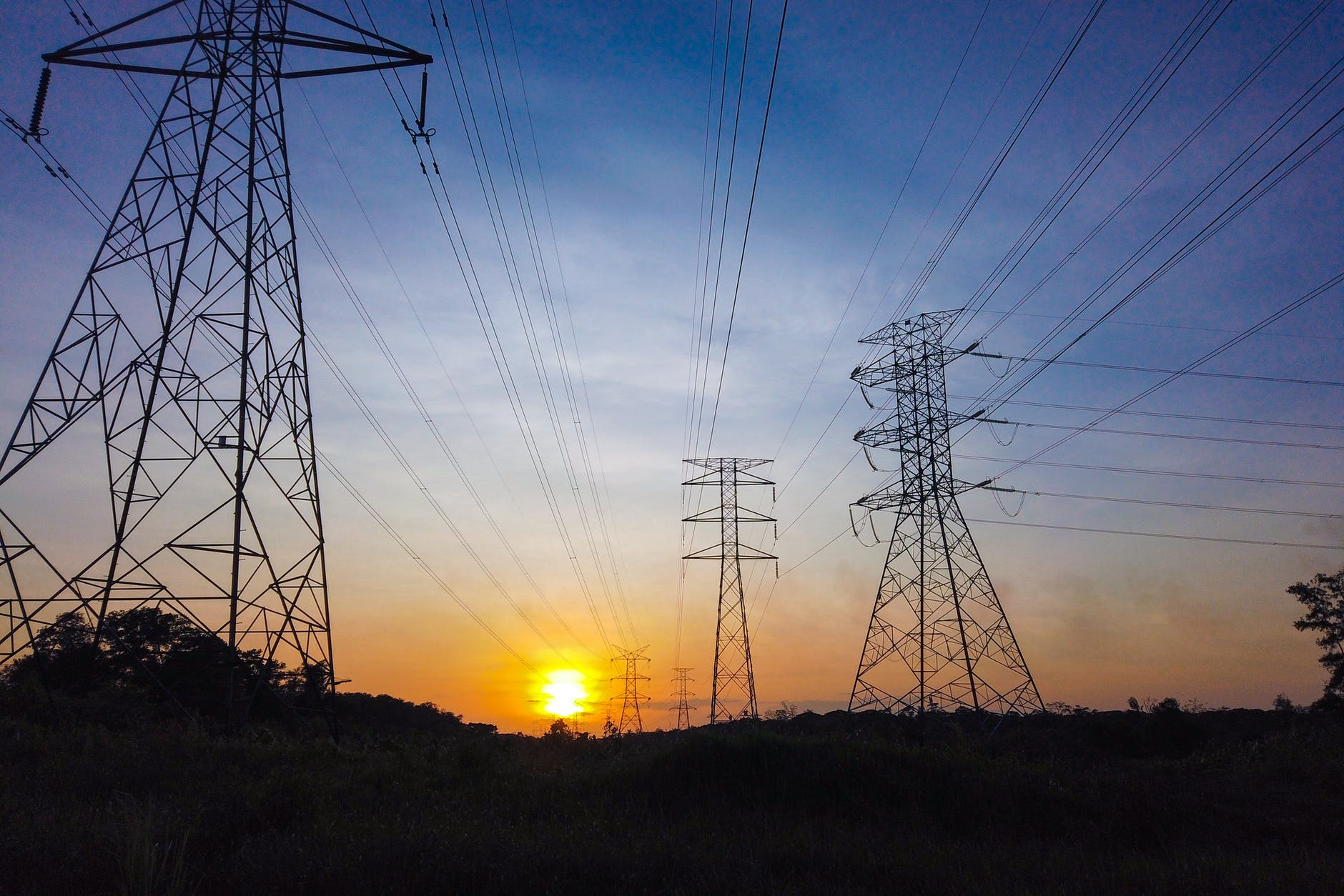
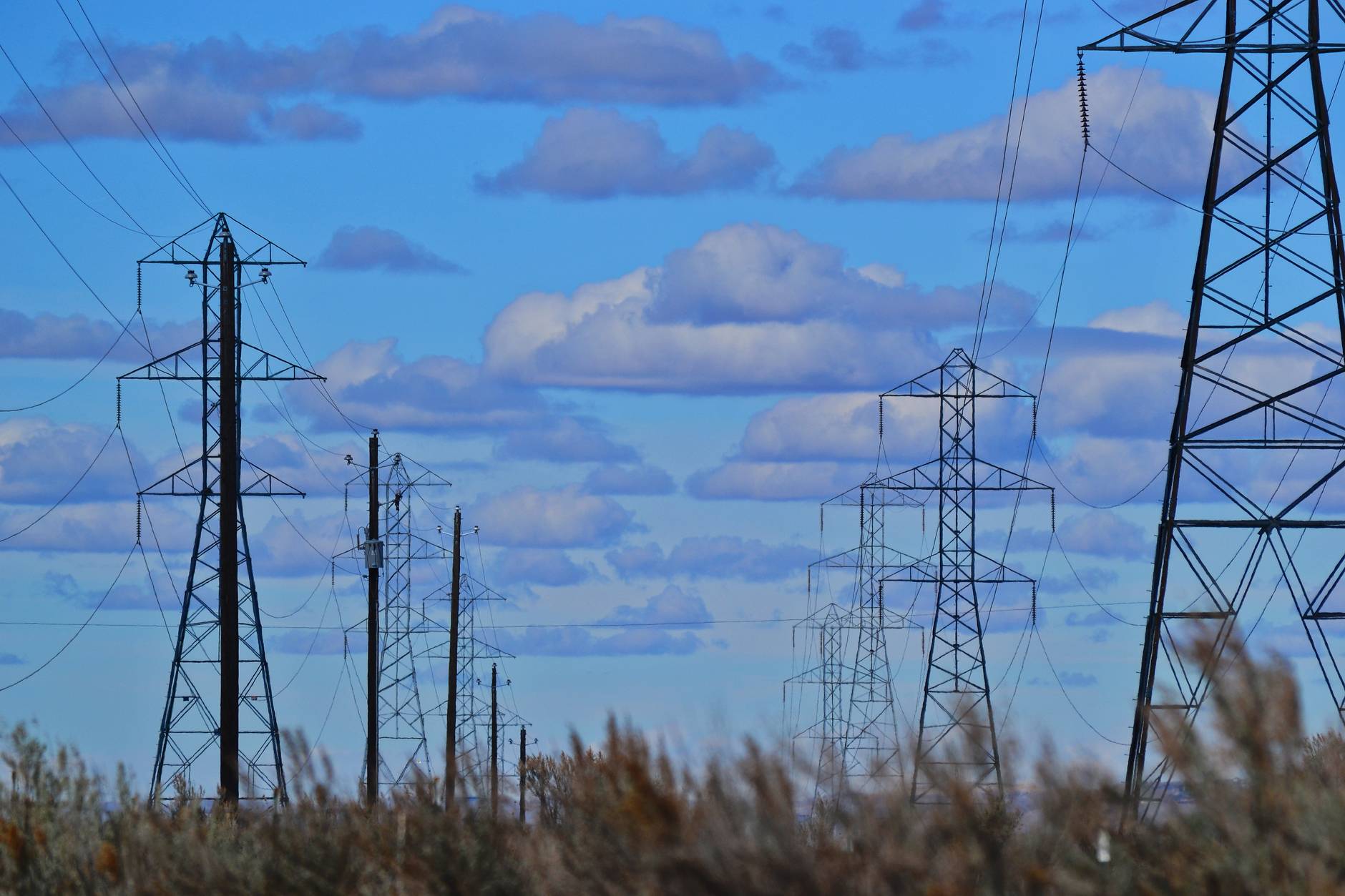
According to the plan, electricity demand in India has been rising quickly over the past few years. Peak demand has grown at an annual rate of more than 7%, reaching around 250 GW by early 2025. This growth is expected to continue as the economy expands, industries grow, and electrification increases across sectors. By 2035-36, peak demand is projected to almost double and reach 459 GW, while total energy requirements are also expected to rise sharply.
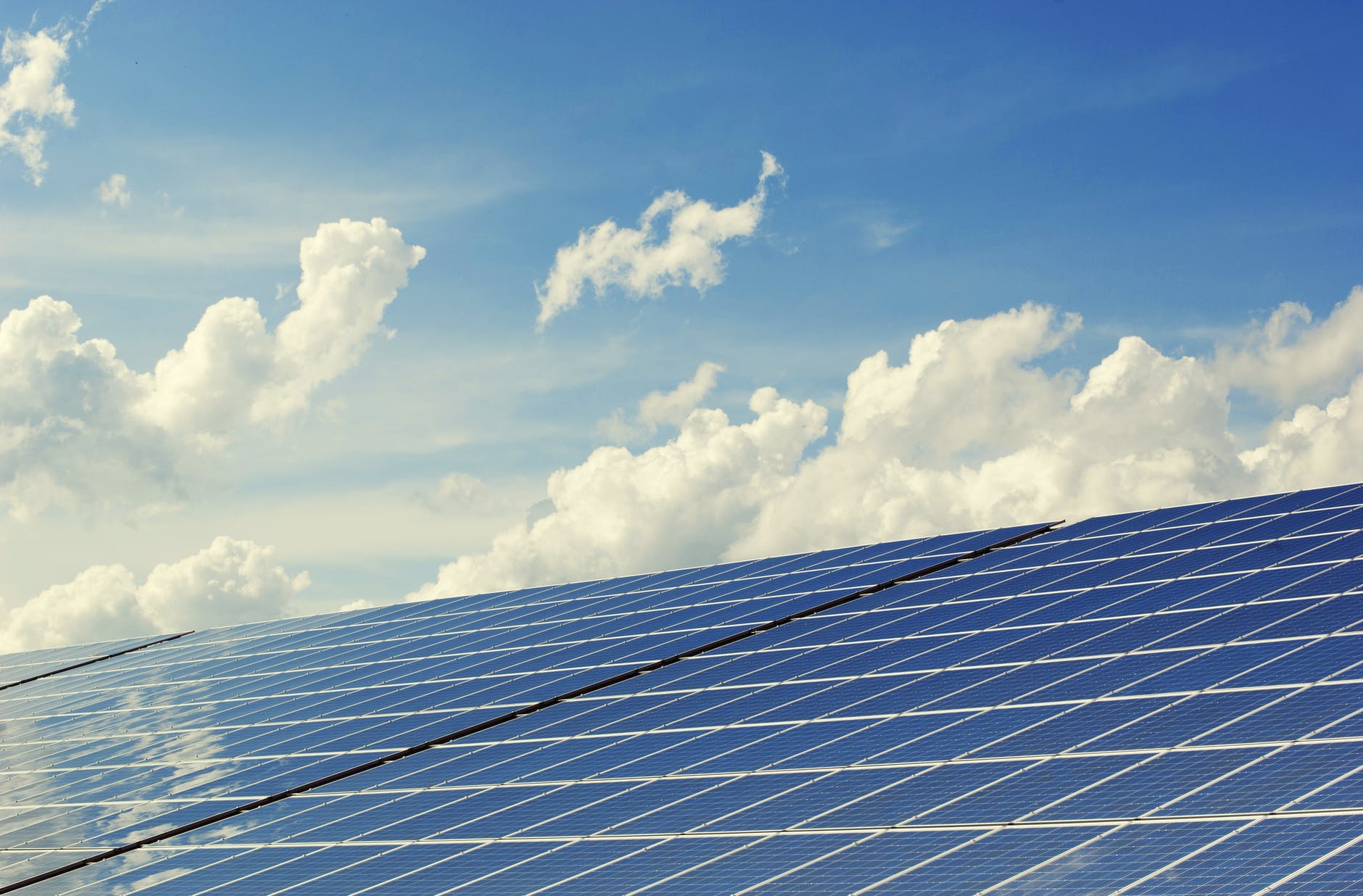
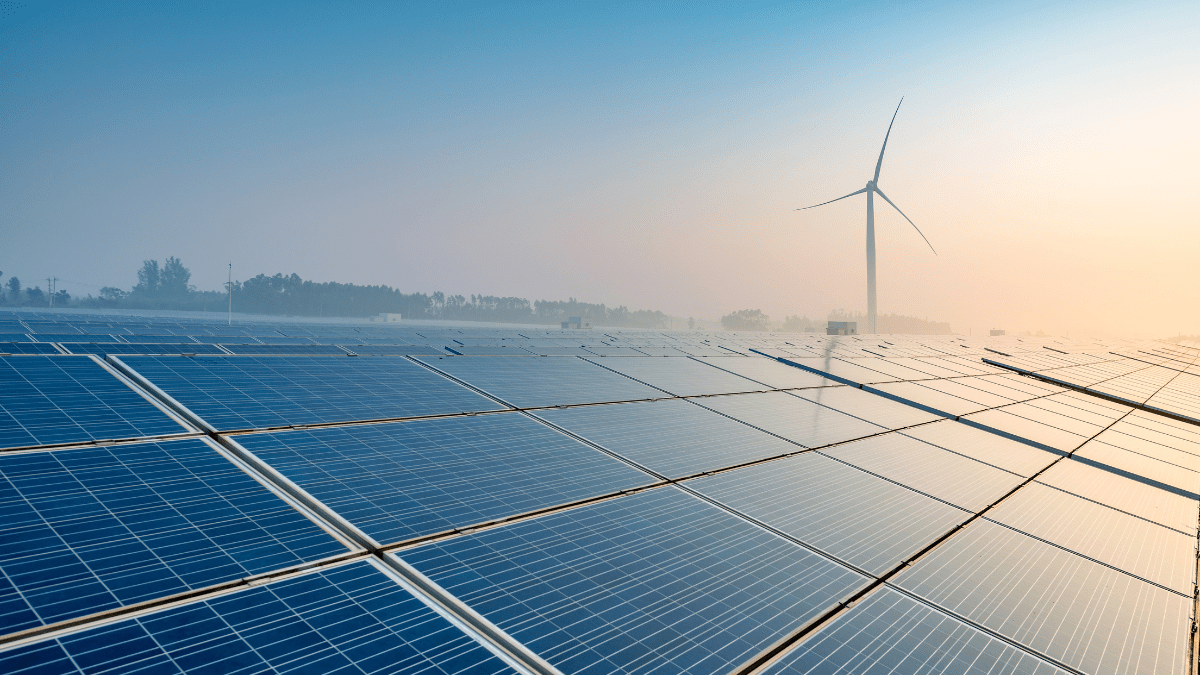
To meet this rising demand, India is planning a large-scale expansion of its power generation capacity. The total installed capacity is expected to reach about 1,121 GW by 2035-36. A key highlight of this plan is the strong focus on clean energy. Non-fossil fuel sources such as solar and wind are expected to contribute nearly 70% of the total capacity, which is around 786 GW. This marks a significant increase from about 52% in early 2026. Solar power is expected to play the biggest role, with a projected capacity of 509 GW, making it the leading source of electricity generation in the coming decade.
At the same time, the plan recognizes the challenges associated with renewable energy, especially its variable nature. Since solar and wind power depend on weather conditions, they cannot always provide a steady supply of electricity. To address this, the plan highlights the need for a stable or “firm” power source. Coal will continue to play an important role in this regard. Although its share in the overall energy mix is expected to decline from 64% to 49% by 2035, it will remain the largest single source of power generation and support grid stability during periods of low renewable output.
Nuclear energy is also expected to grow significantly in the long term, with a vision to reach 100 GW capacity by 2047. This will further strengthen the base of clean and reliable power in the country.
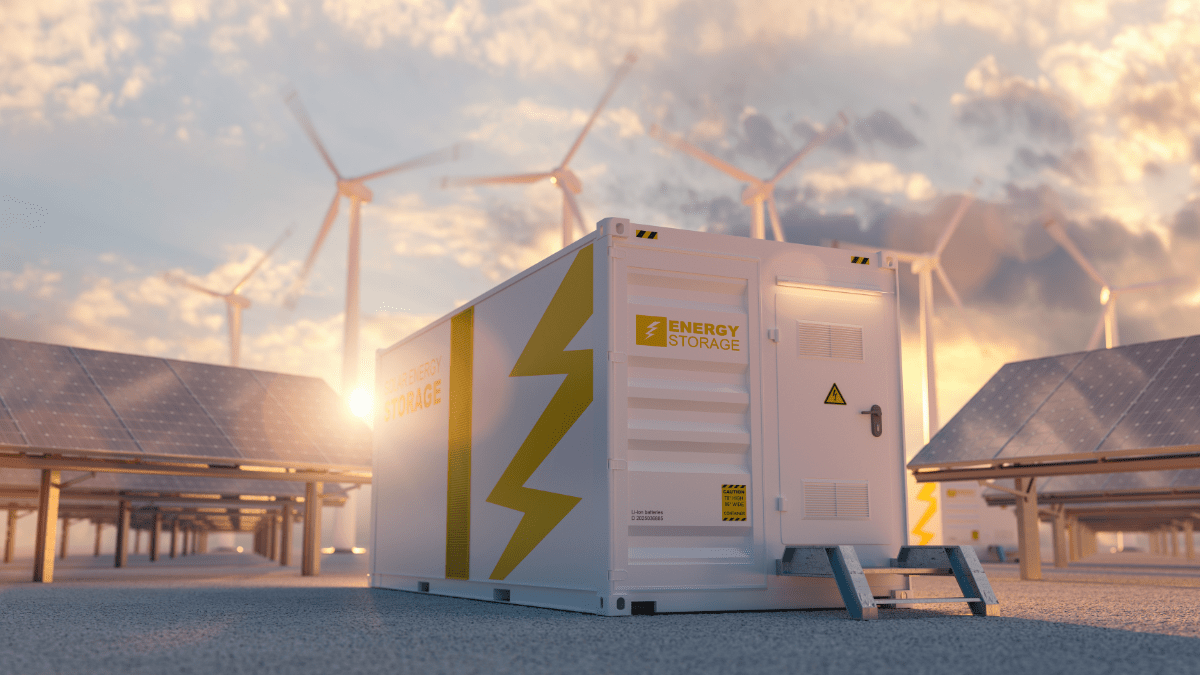
Another important part of the plan is the development of energy storage systems. The report estimates that India will need around 174 GW of energy storage capacity by 2035-36. This includes both Battery Energy Storage Systems (BESS) and Pumped Storage Plants (PSP). These technologies will help store excess electricity generated during the day, especially from solar power, and supply it during peak demand hours or when renewable generation is low.
The plan also focuses on maintaining reliability in the power system. It uses advanced planning tools like STELLAR to ensure a reserve margin of 13-14%, which acts as a buffer against unexpected demand spikes or supply disruptions. While there are challenges such as dependence on imported materials for batteries, falling costs of storage technologies are making a clean and round-the-clock power supply more achievable.
Overall, the roadmap presents a balanced approach, combining clean energy growth with system reliability and cost efficiency, as India prepares to meet its future power needs in a sustainable manner.
Subscribe to get the latest posts sent to your email.