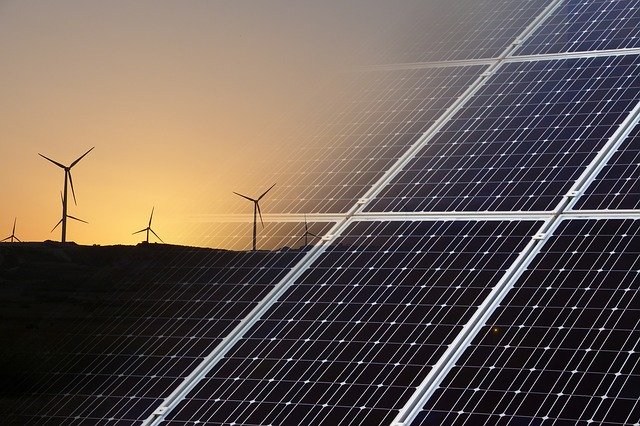
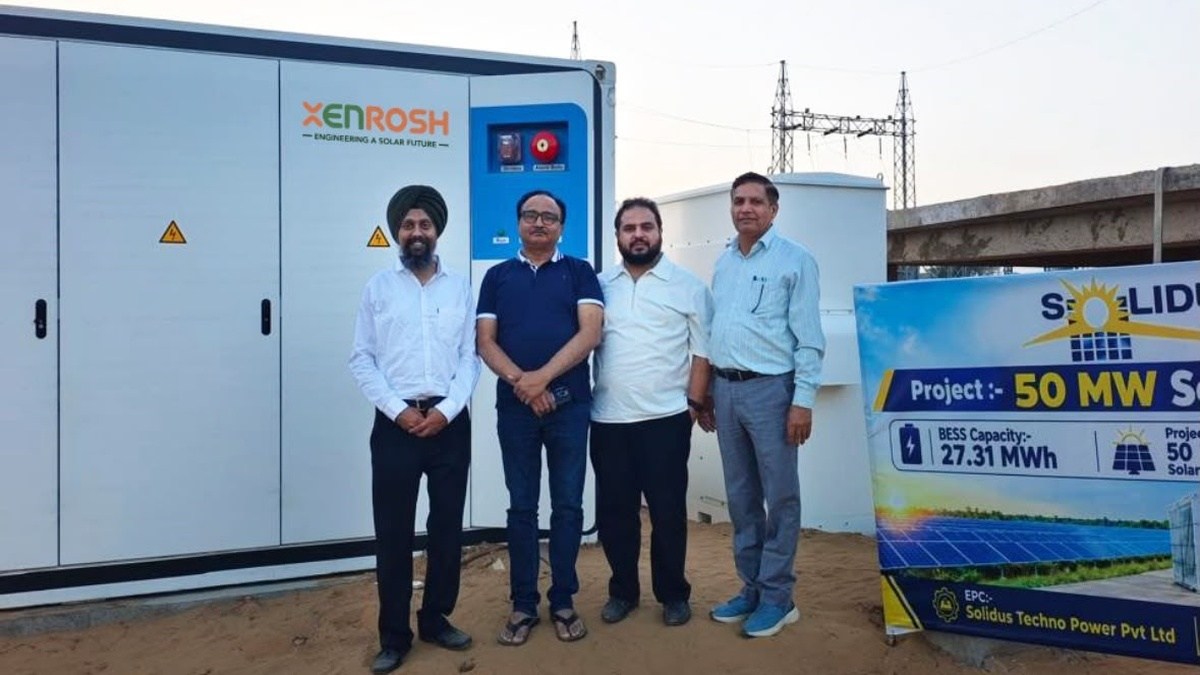
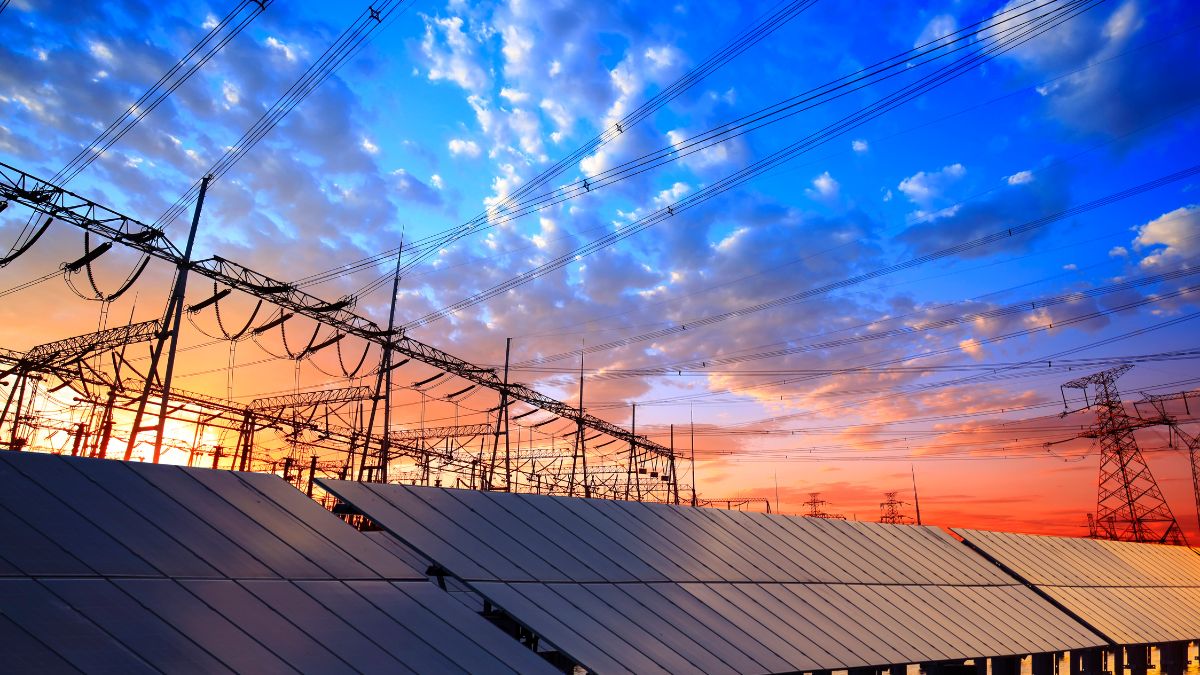
India has made significant strides in renewable energy, particularly in the solar sector. By the end of July 2025, the country had installed 119,016.54 megawatts of solar photovoltaic capacity. This represents more than 63.35 percent of the total renewable energy capacity, excluding large hydro projects. The rapid growth in solar has been driven by lower solar panel prices, improved technology, strong government policies, and rising awareness about clean energy.
In the first seven months of 2025 alone, India added 21,151.82 megawatts of new solar capacity. July saw installations of 2,768.71 megawatts, marking a 2.38 percent increase compared to June. Wind energy also expanded during this period, with 465.25 megawatts added in July. These numbers reflect India’s continuing commitment to clean energy and reducing carbon emissions.
Government policies have been central to this progress. The Production-Linked Incentive scheme has encouraged domestic manufacturing, while the Approved List of Models and Manufacturers (ALMM) policy has helped improve the quality of solar equipment. The ALMM policy, reinstated on April 1, 2024, mandates that only certified solar modules can be used in government projects. From June 1, 2026, this requirement will also apply to solar PV cells, ensuring better performance and reliability in solar systems.
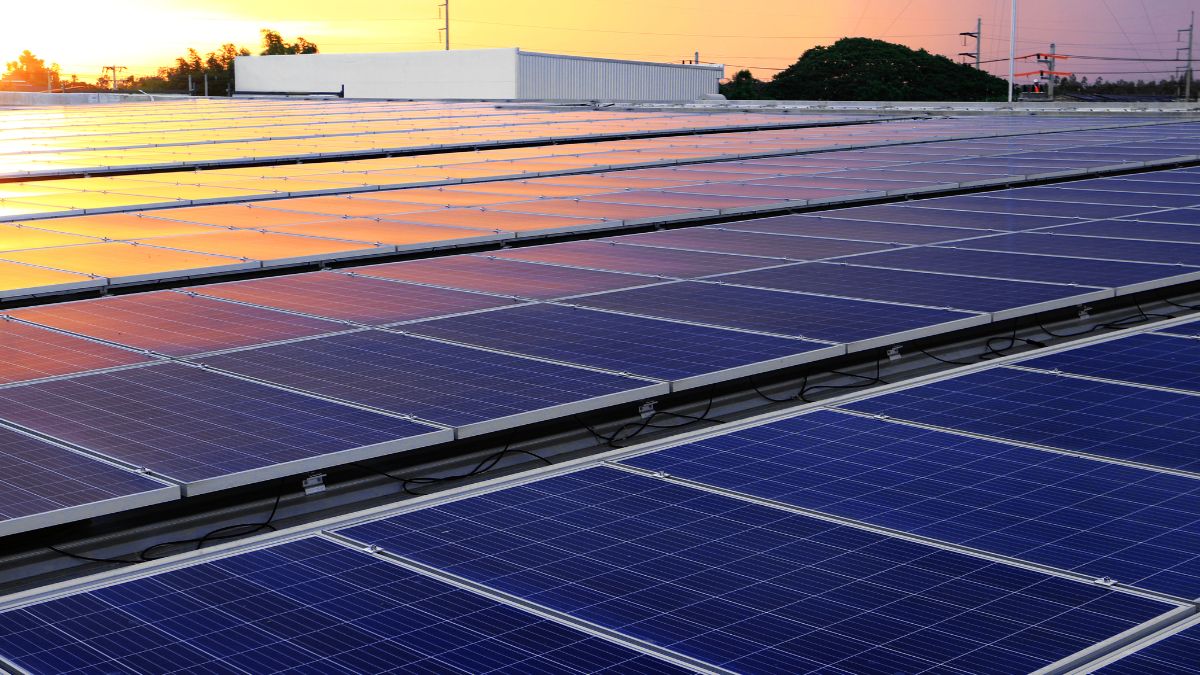
As of July 2025, India’s total renewable energy capacity, excluding large hydro, stood at 187.862 gigawatts. Of this, solar and wind together contributed nearly 161 gigawatts, accounting for over 91.11 percent of the total. Ground-mounted solar systems lead the market with 90.99 gigawatts installed. Rooftop solar systems have also grown to 19.88 gigawatts, becoming increasingly popular among households, businesses, and industries for reducing electricity bills and providing greater energy independence. Solar-wind hybrid projects have reached 3.06 gigawatts, offering better utilization of land and transmission infrastructure.
Off-grid solar systems are making a difference in rural areas by replacing diesel generators and improving energy access. These systems include solar lanterns, solar-powered water pumps for agriculture, and small solar grids for local electricity supply. The total capacity of off-grid systems has crossed 5.09 gigawatts, contributing to reduced pollution and lower energy costs.

Despite the achievements, challenges remain. Securing adequate land for large-scale solar projects is becoming increasingly difficult. Integrating more solar energy into the grid without causing supply imbalances also requires major investments in transmission infrastructure and advanced technologies.
The global market situation has also influenced India’s solar sector. Higher import duties imposed by the United States on solar modules have redirected many international suppliers toward India. This has resulted in increased shipments of solar modules into the country, making installations more affordable and enabling faster capacity growth. This development is giving an additional boost to India’s renewable energy ambitions, helping the nation move closer to its clean energy targets.
Subscribe to get the latest posts sent to your email.