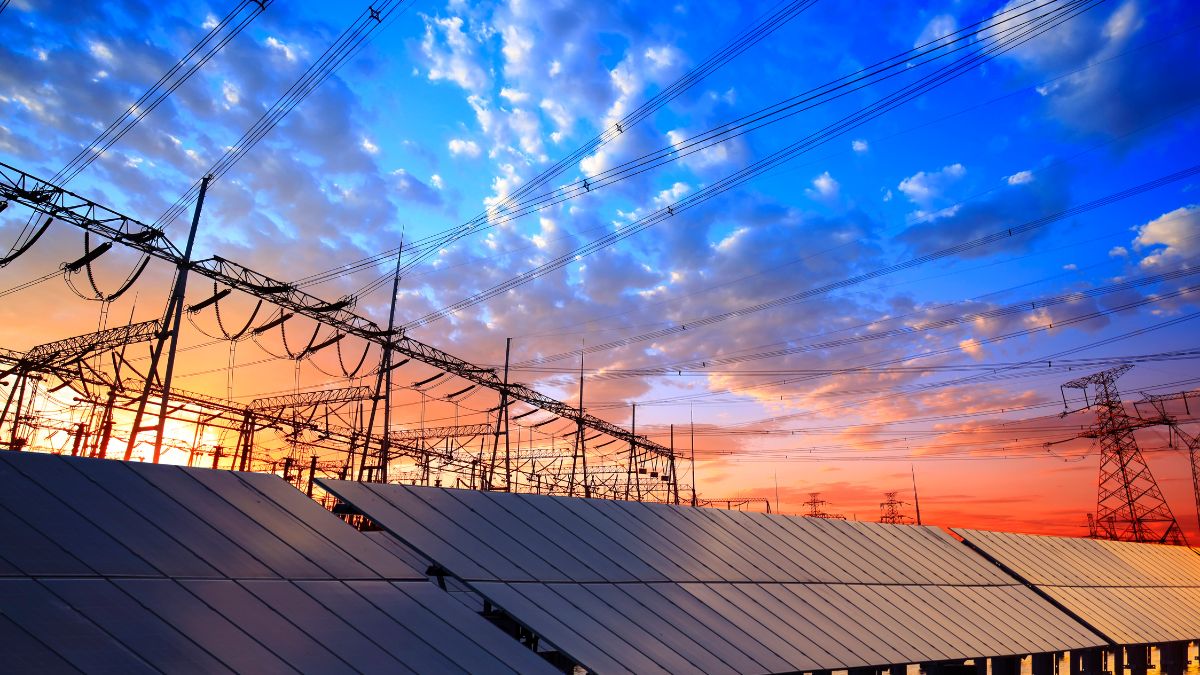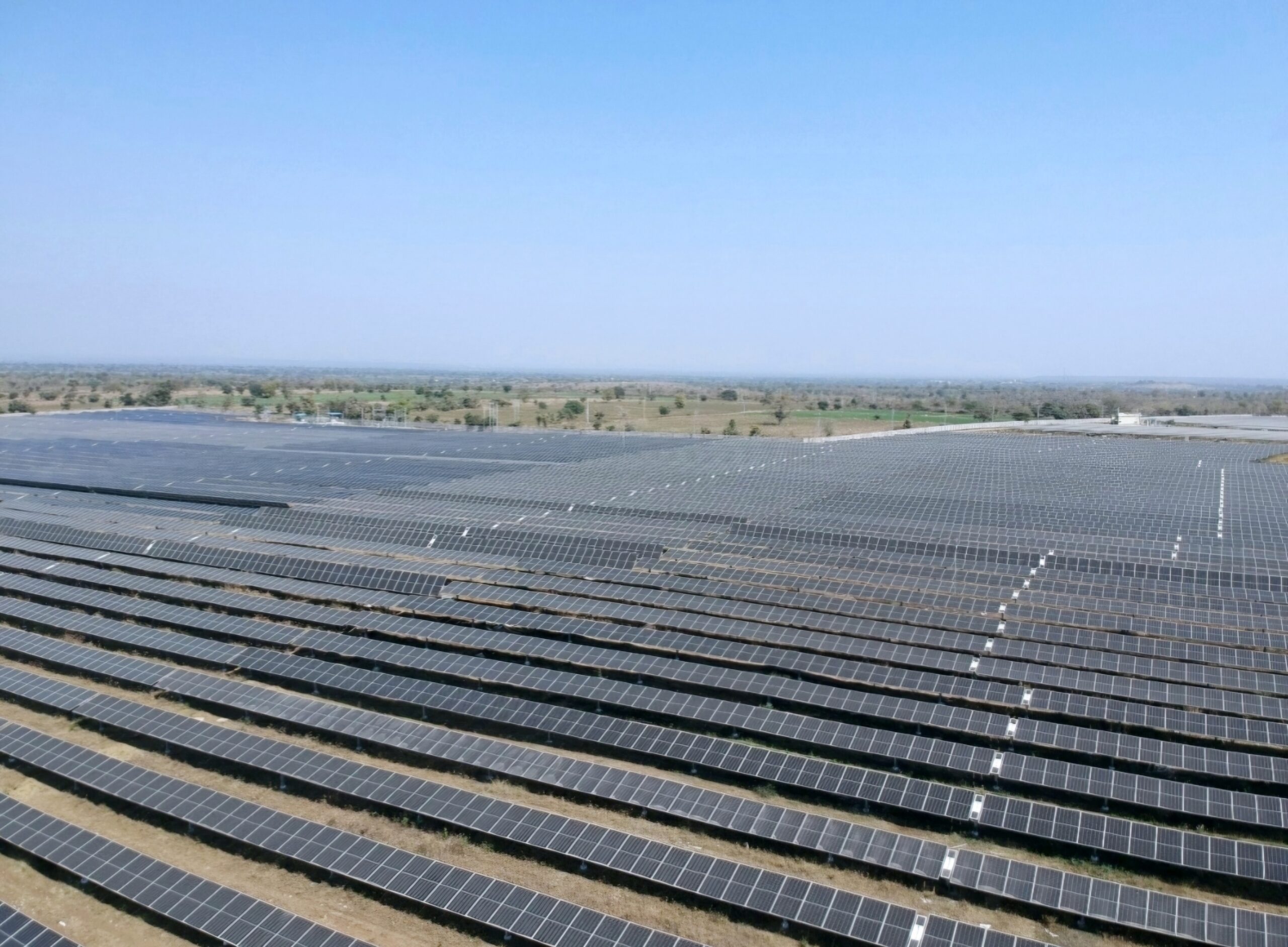
President Prabowo Subianto has reaffirmed Indonesia’s ambitious plan to develop 100 GW of solar power capacity before 2029, marking one of the largest renewable energy expansion programs in the region. The initiative, first announced in 2025, forms a key part of the country’s broader strategy to achieve a fully renewable energy mix by 2035 and reach net-zero emissions by 2060 or earlier. The plan includes 80 GW of distributed solar systems and 20 GW of utility-scale solar projects, aimed at reducing dependence on imported fossil fuels and strengthening national energy security.
While the target demonstrates Indonesia’s commitment to clean energy, the Institute for Essential Services Reform (IESR) has stressed that achieving it will require immediate and practical actions. According to the organization, the government must focus on delivering visible short-term results that can build confidence among investors and the public while laying the groundwork for long-term renewable energy growth.
One of the key recommendations from IESR is accelerating the replacement of diesel-powered electricity generation. Thousands of diesel generators continue to operate across Indonesia, particularly in remote islands and rural regions. State-owned utility PLN has set a goal of reducing diesel-based generation by 80% by 2030, but progress has been slowed by regulatory barriers and pricing issues. To overcome these challenges, IESR suggests combining smaller regional projects into larger investment packages that are more attractive to investors. The organization also recommends integrating solar power and battery storage into existing power systems to reduce the significant amount of diesel fuel consumed annually.
Another major focus area is the expansion of rooftop solar systems combined with Battery Energy Storage Systems (BESS). IESR believes that encouraging households and businesses to adopt solar energy will require stronger financial incentives. The organization has proposed policy changes that would provide early support for rooftop solar users and relax certain restrictions for consumers who install battery storage systems alongside solar panels.
The third priority identified by IESR is increasing access to clean energy in rural communities through village cooperatives and village-owned enterprises. Since villages differ in terms of financial resources and technical capabilities, IESR advises the government to conduct detailed assessments before implementing projects. Depending on local conditions, communities could manage solar assets independently, operate systems owned by external parties, or serve as local energy service providers.
To ensure the success of the 100 GW solar program, IESR has urged the government to establish a national solar task force and develop a clear five-year implementation roadmap. Such measures, it says, will be essential for coordinating efforts and accelerating Indonesia’s transition toward a cleaner and more sustainable energy future.
Subscribe to get the latest posts sent to your email.