Iraq and Kurdistan Strike Deal to Restart Key Oil Pipeline

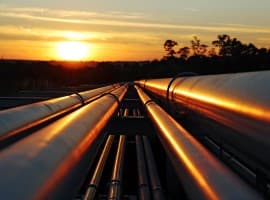
The governments of Iraq and the semi-autonomous region of Kurdistan have reached an agreement on the terms to restart the flow of oil via the Kirkuk-Ceyhan oil pipeline, starting today.

Oil prices dipped on the news, even though the pipeline’s capacity is up to 250,000 barrels daily, meaning it will not make much of a difference in global supply. Brent crude was trading at over $101 per barrel at the time of writing, down from $103, and West Texas Intermediate was changing hands for close to $93.

Iraq has had to slash its production from fields outside Kurdistan to just 1.3 million barrels daily as a result of the paralysis of tanker traffic in the Strait of Hormuz, as it ran out of storage space. Prior to the war, Iraq was pumping a total of over 4 million barrels daily.

The Kirkuk-Ceyhan pipeline has been mostly offline for years now, amid a dispute regarding the distribution of payments between the governments in Baghdad and Erbil.

Meanwhile, Iraq has initiated talks with Iran to get at least some oil out via the Strait of Hormuz. “There is communication with Iran regarding allowing the passage of some Iraqi oil tankers,” the country’s oil minister said in statements reported by Iraqi media.

Iraq, unlike Saudi Arabia and the United Arab Emirates, doesn’t have any options – even partial – to bypass the Strait of Hormuz, which has been closed for over two weeks now, forcing Baghdad to slash oil production as storage sites and tankers available in the Gulf filled up.

This is a bigger problem for OPEC’s number-two producer because of its heavy dependence on oil revenues and the absence of a sovereign wealth fund, unlike its fellow OPEC members in the region. The restart of the pipeline to Turkey’s Ceyhan may bring some relief, but not a lot.

By Charles Kennedy for Oilprice.com

More Top Reads From Oilprice.com


  • Related Posts

    China Rare Earth Firms Freeze U.S. Exports Weeks Before Xi-Trump Summit

    Despite having secured export licenses, some Chinese rare earth producers have stopped shipping these materials to the United States over fears of repercussions from China’s authorities, sources familiar with the…

    India Plans Mandatory Battery Storage at Solar and Wind Projects

    India’s authorities plan to introduce, from July 1, 2027 a regulation requiring developers of solar and wind energy projects to have battery storage installed at the sites in a bid…

    Have You Seen?

    China Rare Earth Firms Freeze U.S. Exports Weeks Before Xi-Trump Summit

    • September 4, 2026
    China Rare Earth Firms Freeze U.S. Exports Weeks Before Xi-Trump Summit

    Europe Gas Prices Head for Fourth Straight Weekly Gain

    • September 4, 2026
    Europe Gas Prices Head for Fourth Straight Weekly Gain

    Iran Says It’s Found Ways to Dodge U.S. Oil Blockade

    • September 4, 2026
    Iran Says It’s Found Ways to Dodge U.S. Oil Blockade

    India Plans Mandatory Battery Storage at Solar and Wind Projects

    • September 4, 2026
    India Plans Mandatory Battery Storage at Solar and Wind Projects

    UK must bolster food supply chain resilience

    • September 4, 2026
    UK must bolster food supply chain resilience

    Carbon capture and conversion technology wins Australian science award

    • September 4, 2026
    Carbon capture and conversion technology wins Australian science award

    Nano Nuclear Energy and Howden work on helium circulator nuclear design

    • September 4, 2026
    Nano Nuclear Energy and Howden work on helium circulator nuclear design

    UK Poised to Approve Jackdaw Gas Field as Energy Costs Soar

    • September 4, 2026
    UK Poised to Approve Jackdaw Gas Field as Energy Costs Soar

    Argentina Targets Falklands Oil Drillers With Tougher Sanctions

    • September 4, 2026
    Argentina Targets Falklands Oil Drillers With Tougher Sanctions

    U.S. Diesel Prices Hit All-Time High as Global Fuel Squeeze Deepens

    • September 4, 2026
    U.S. Diesel Prices Hit All-Time High as Global Fuel Squeeze Deepens