Iraq is building its 2027 budget around $58 oil, a far cry below what the country actually needs to balance its books.
The draft budget assumes crude exports of roughly 4 million barrels per day, including Kurdistan, with total spending of 217 trillion dinars, or about $166 billion. Even at those assumptions, lawmakers say the budget would run a deficit of more than 40 trillion dinars.
At 4 million bpd and $58 per barrel, Iraq would generate roughly $85 billion in annual gross crude export revenue before accounting for discounts, transport costs and other adjustments.
That isn’t enough. For comparison, the International Monetary Fund put Iraq’s 2025 fiscal oil breakeven price at about $92.43 per barrel.
Baghdad may be assuming $58 oil for budgeting purposes, but if crude actually averages $58 next year, Iraq would be left with a deficit of more than 40 trillion dinars and would have to cover that gap through borrowing, spending cuts, reserve drawdowns or other revenue.
The government is also considering weakening the dinar to somewhere between 1,400 and 1,500 per U.S. dollar from roughly 1,300. Because Iraq sells oil in dollars but spends heavily in dinars, a weaker currency increases the local-currency value of every export dollar. It also makes imported goods more expensive.
Oil still provides the overwhelming majority of Iraqi state revenue, leaving Baghdad unusually exposed to anything that interrupts either production or exports.
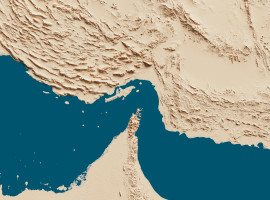
That vulnerability was on full display this year. The Iran war disrupted shipments through the Strait of Hormuz, historically Iraq’s primary export route, forcing Baghdad to push more barrels north through Turkey and pursue longer-term alternatives through Syria and Jordan.
Iraq also wants to expand production dramatically, targeting 8 million to 10 million bpd within six years.
That creates a fairly simple problem for the 2027 budget: Iraq needs more barrels, more export routes and a much higher oil price than $58 to fund the spending trajectory it already has.
By Julianne Geiger for Oilprice.com
More Top Reads From Oilprice.com
- India Could Boost Crude and Critical Minerals Supply from Ecuador
- EU Delays Methane Rules, Opens Refinery Talks as Fuel Prices Hit Records
- Gulf Producers Say Importers Should Share the Cost of Hormuz Workarounds