By
1 day ago 2 min read
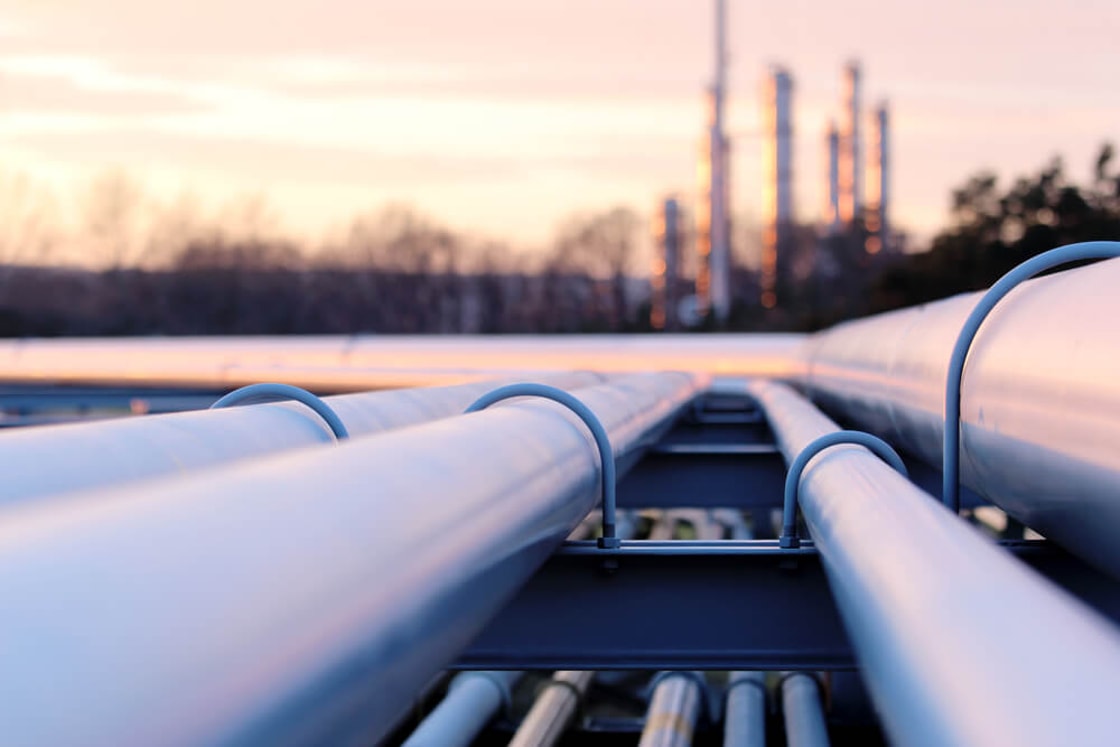
Japanese steelmaker JFE Steel will advance carbon dioxide (CO2) pipeline technology for carbon capture and storage (CCS) and carbon capture, utilisation and storage (CCUS) as part of the Nippon Foundation-DeepStar project.
The research and development (R&D) project aims to establish evaluation methods and acceptance criteria for steel pipe materials used to transport CO2.
JFE Steel said impurities in captured CO2 may affect the performance and structural integrity of steel materials used in pipeline infrastructure.
To address this issue, the company will evaluate the effects of impurities on the strength and fracture resistance of steel pipe materials.
The company will conduct material testing under simulated CO2 transportation environments at its steel research laboratory in Chiba, Japan.
JFE Steel aims to establish safety assessment technologies that account for the effects of impurities, supporting the deployment of safe and reliable CO2 pipeline infrastructure for CCS and CCUS applications.
The company will collaborate with members of the DeepStar consortium on the R&D project. This includes global energy companies ExxonMobil, Occidental Petroleum, Shell, BP, TotalEnergies, Woodside Energy, and Petrobras.
Nippon Foundation-DeepStar joint R&D programme
Japanese non-profit organisation The Nippon Foundation and global offshore technological development consortium DeepStar launched its joint project in 2018 to support offshore technology development.
In December 2021, the organisations signed a new memorandum of understanding (MoU) targeting the decarbonisation of the offshore oil and natural gas sector.
The programme launched with a budget of up to 1.1bn yen ($10m) and will run through 2026.
In November 2025, the partners signed an MoU on the third four-year phase of its joint R&D programme, which will run until 2029.
The DeepStar consortium includes US energy corporation Chevron, British oil and gas company Shell, and Norwegian multinational energy company Equinor.