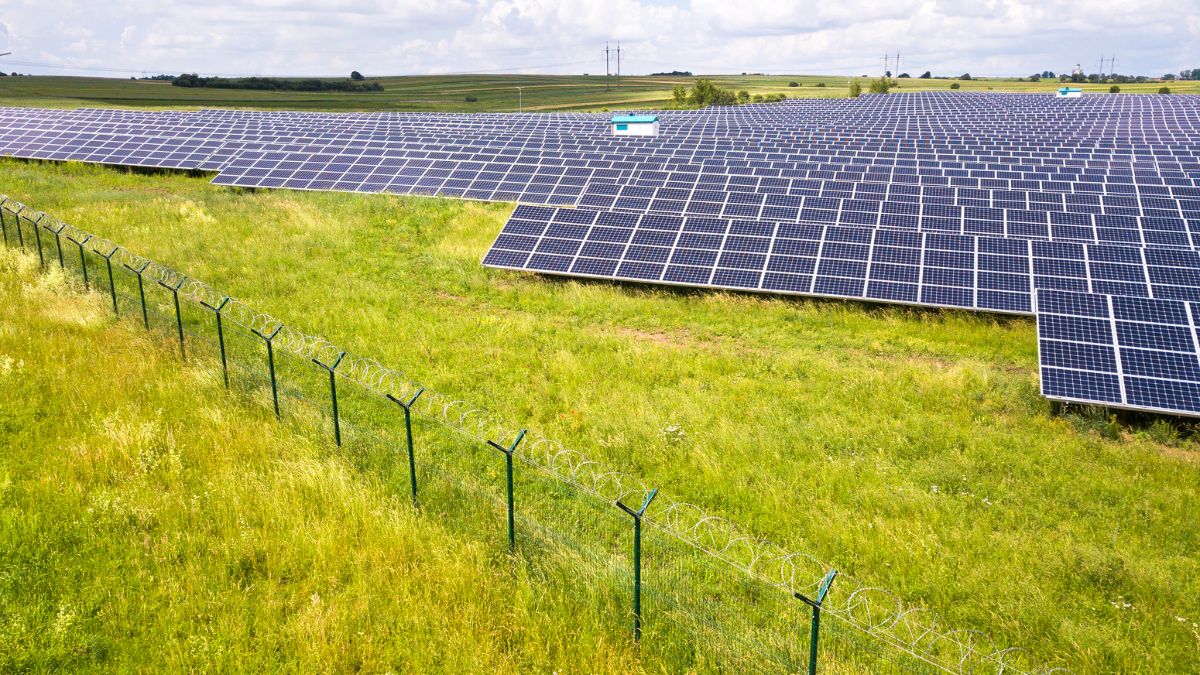
Lebanon has introduced new regulations to oversee solar energy installations with a capacity of less than 1.5 megawatts (MW), following a rapid expansion of decentralized solar power across the country. The framework was published on September 9 by the Ministry of Interior, Public Works, and Energy and is intended to improve safety and regulatory oversight of small-scale solar projects.
Under the new rules, solar installations will require approval from the relevant municipality. Applicants must also provide structural assessments of buildings, electrical safety certificates, and documents demonstrating compliance with urban planning requirements. Once approval is granted, beneficiaries will have one year to complete their installations.
Municipal police and the Internal Security Forces will be responsible for enforcing the new requirements. The regulations are being introduced as a provisional framework and will remain in place until Lebanon’s Electricity Regulatory Authority develops permanent rules for decentralized solar installations.
The new regulations come after an exceptional increase in Lebanon’s solar capacity. Between 2019 and 2024, decentralized photovoltaic capacity increased from around 78 MW to approximately 1,190 MW. This represents nearly a fifteen-fold increase within five years. The strongest annual growth was recorded in 2022, when the country added about 663 MW of solar capacity in a single year.
The expansion was largely driven by the country’s economic and electricity crisis rather than a government-led renewable energy programme. Following the financial crisis that began in 2019, public electricity supplies deteriorated significantly. Frequent power outages and rising costs for private diesel generators encouraged households and businesses to invest in solar panels, batteries, and inverters.
As a result, renewable energy’s contribution to Lebanon’s electricity supply increased from 2.6% in 2018 to 21.6% in 2024. Decentralized solar generated approximately 1,706 gigawatt-hours (GWh) in 2024, representing 16.6% of the electricity actually supplied during the year.
The sector also showed resilience amid conflict-related damage. Lebanon lost around 131 MW of solar capacity because of war-related destruction in 2024, but the country still recorded a net addition of 109 MW during the year.
However, the rapid growth has also increased safety concerns. Heavy solar panels and metal structures can place additional stress on older roofs, while electrical systems and batteries can increase the risk of fires if they are improperly installed. The rapid expansion also attracted installers with different levels of technical expertise.
Under the new framework, registered structural and electrical engineers must certify project plans, placing greater legal responsibility on qualified professionals. While the measure is expected to improve safety, it could also increase installation costs and create additional administrative procedures, particularly for smaller residential systems.
Differences in municipal capacity could further affect implementation. Smaller and rural municipalities may face difficulties in processing applications and conducting inspections. The government therefore faces the challenge of strengthening safety standards while ensuring that regulations do not discourage solar investment. The effectiveness of the transitional framework will be important as Lebanon works toward permanent rules for its rapidly growing solar sector.
Subscribe to get the latest posts sent to your email.