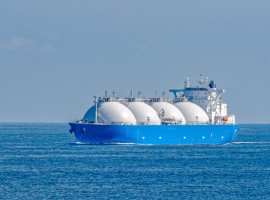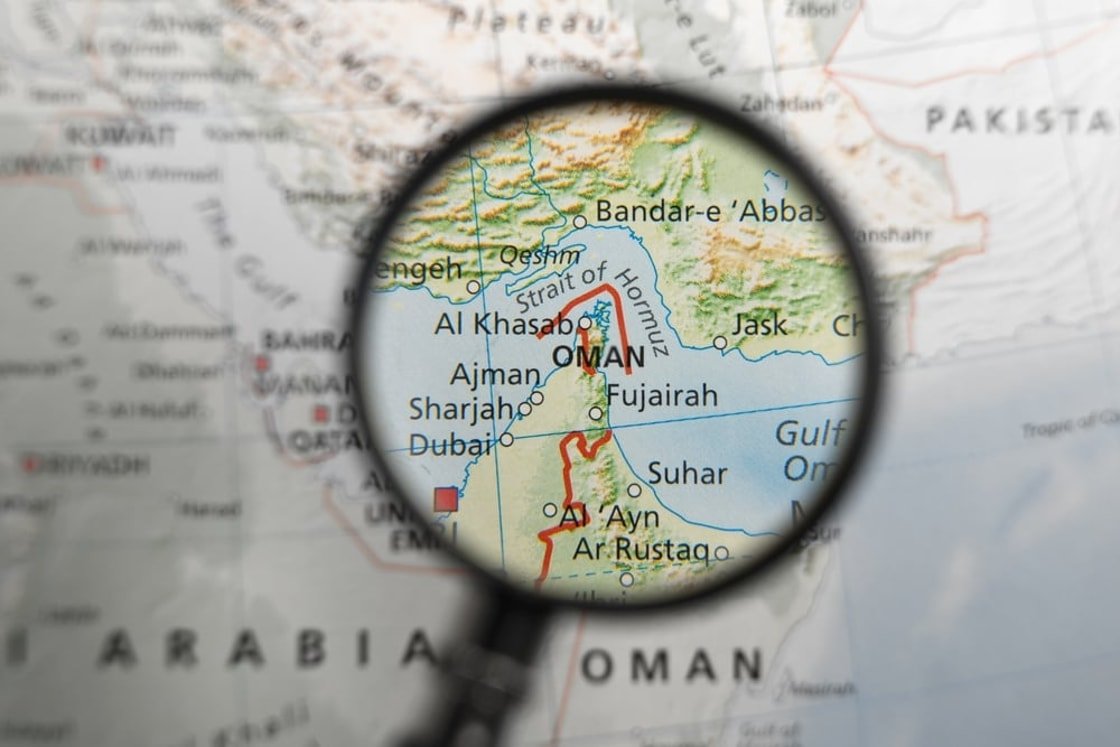
Exports of liquefied natural gas via the Strait of Hormuz last month reached the highest total since February, at 31 tankers, compared with 27 in September, according to data from Kpler, as cited by Reuters.
What is perhaps more impressive is that most of these cargoes were loaded from Qatar’s Ras Laffan hub, despite it still being under force majeure. In two cases, per Kpler, LNG cargoes loaded at Ras Laffan were then transferred to other tankers once the original vessels had cleared the Strait of Hormuz.
Despite the increase in loadings, the total from Qatar is far from pre-war levels. In February, Qatar’s total LNG exports hit close to 6.2 million tons, Kpler said, while the October total stood at 2.7 million tons.
Unlike Qatar, the UAE has managed to restore its exports of liquefied natural gas to pre-war levels, the data suggests. October loadings from Das Island hit seven, unchanged from September.
Iranian attacks on U.S. allies in the Gulf took out 17% of Qatar’s export capacity and caused an estimated loss of $20 billion in annual revenue, QatarEnergy said in March. Since then, the company has been scrambling to find ways to service its contracts, despite the force majeure.
Recently, in an unusual twist, Qatar became the largest buyer of U.S. liquefied gas, after sealing two long-term deals with Cheniere Energy to buy up to 4 million tons per year of LNG from Cheniere’s Sabine Pass and Corpus Christi export facilities, with deliveries expected to begin in 2031 and continue through 2054.
Despite the recovery in LNG flows out of the Persian Gulf, Rystad Energy earlier this week warned that this winter in the Northern Hemisphere will be extremely uncertain in terms of energy security, with a high likelihood of much higher gas prices because of the tight supply.
By Irina Slav for Oilprice.com
More Top Reads From Oilprice.com
- Oil Prices Plunge Below $92 as Trump Signals Restraint on Iran
- Brent Crashes 7% on Iran Peace Hopes Despite Fresh Saudi Pipeline Attack
- ONGC Moves to Take Over Venezuelan Oilfields, Recover $500 Million