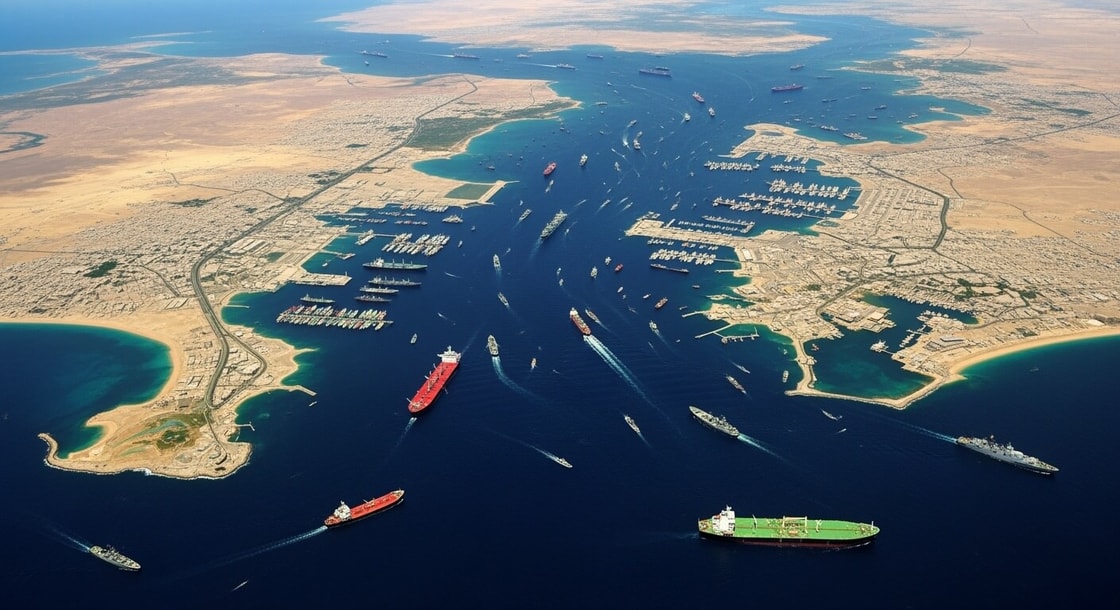
Not only is a growing number of tankers moving stealthily with transponders switched off at the Middle East’s two key chokepoints, but the time of the so-called dark mode movements has extended from just a few hours to a week and even more, as shipping risks in the region have increased.
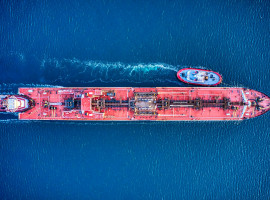
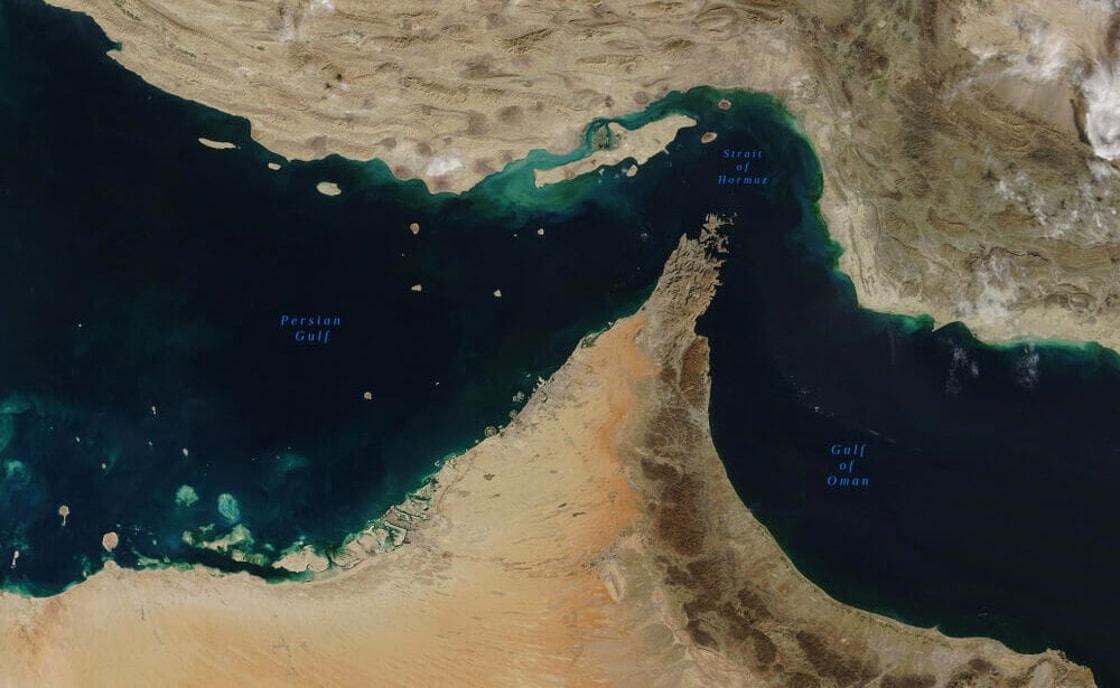
Oil tankers have been increasingly using the dark mode to transit through the Strait of Hormuz, switching off their positioning to avoid detection while transiting the chokepoint.
Now this activity has spread to the Bab el-Mandeb Strait, too, where the Iran-aligned Houthis are targeting Saudi-linked ships and cargoes, including oil exports out of the Saudi port of Yanbu on the Red Sea.
What is also of note is that now the vessel AIS positioning of a growing number of ships is being switched off for several consecutive days, instead of just a few hours while actually crossing one of the straits in the Middle East, according to ship-tracking data monitored by Bloomberg.
In one of the most recent and anecdotal examples, the supertanker Romania Prosperity disappeared from radars off Fujairah in the Gulf of Oman – outside the Strait of Hormuz – at the end of July, per the data tracked by Bloomberg. The tanker then reappeared nearby 10 days later. Tanker-tracking services and observers were not able to verify if the tanker was still laden with the same crude cargo or if it had transferred the oil onto another ship and then returned to the Persian Gulf to pick up another crude cargo.
This extended dark-mode activity makes tracking oil flows out of the Middle East extremely difficult, which lowers transparency in market estimates about how much oil is actually leaving the region to buyers.
Saudi ships carrying oil out of the Red Sea and the Bab el-Mandeb Strait have also resorted to using dark mode to keep the Houthis in the dark about potential targets.
By Tsvetana Paraskova for Oilprice.com
More Top Reads From Oilprice.com
- Vance Says Cheap Oil and Gas Is Top U.S. Priority in Iran War
- Hormuz Tanker Traffic Slumps as U.S.-Iran Standoff Drags On
- Russia Captures Record Share of India’s Oil Market