By
56 min ago 2 min read
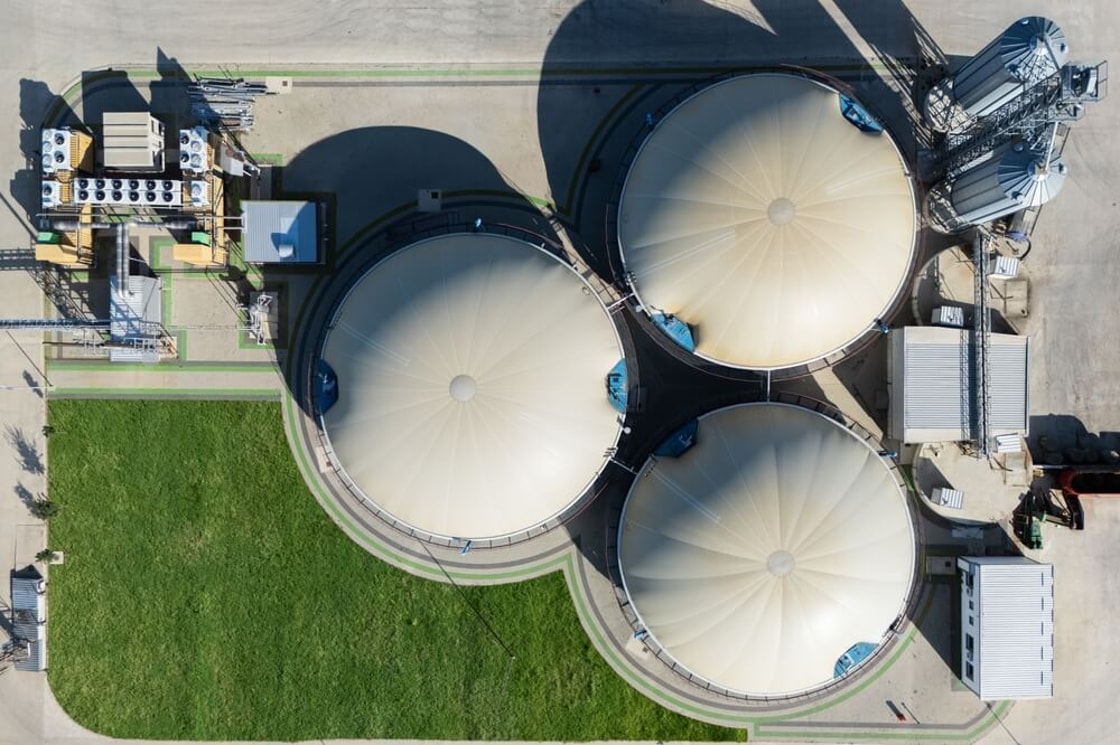
Massachusetts-headquartered biofuels company Neogenyx Fuels (Neogenyx) and Nebraskan agribusiness Adams Land & Cattle (Adams) are set to break ground on a renewable natural gas (RNG) facility at the Adams feedlot in Broken Bow, Nebraska.
Once operational, the facility is expected to convert manure from Adams agricultural operations into approximately 1.2 million MMBtu (around 352 GWh) of pipeline-quality RNG each year.
The project marks Neogenyx’s first agricultural RNG facility. The RNG produced at the facility will be used as low-carbon transportation fuel and for other energy applications.
The site will use eight anaerobic digesters to produce over 4,400 standard cubic feet per minute of biogas, which will then be upgraded to pipeline-quality RNG, or biomethane.
The project is expected to avoid around 63,700 metric tonnes of carbon dioxide (CO2) annually.
According to the American Biogas Council (ABC), Nebraska has the potential to produce up to 15.9 billion cubic feet (Bcf) of RNG annually.
Agricultural waste and bio-LNG
Neogenyx says RNG produced from livestock manure at agricultural sites in Nebraska has a potential end use as bio-liquefied natural gas (bio- LNG) in the shipping industry.
Bio-LNG is produced by upgrading biogas to RNG and liquefying it at temperatures around –160 °C.
The potential maritime application for bio-LNG could create an additional market for agricultural RNG, alongside domestic transportation and other energy applications.
In December, the American Biofuels Maritime Initiative (ABMI), a bioenergy group chaired by the ABC and the Renewable Fuels Association (RFA), was launched to promote the use of US-produced biofuels and energy in the international maritime sector.
ABMI aims to work with the Trump administration and congress to increase the use of US-produced biofuels and energy in the international maritime sector.
According to the ABC, in 2025, the amount of methane-rich gas captured in the US agricultural sector increased by 11% to 99 Bcf annually.
The increase in US-made bio-LNG could support international maritime markets seeking lower-carbon fuels and support the domestic agricultural sector.