By
32 min ago 3 min read
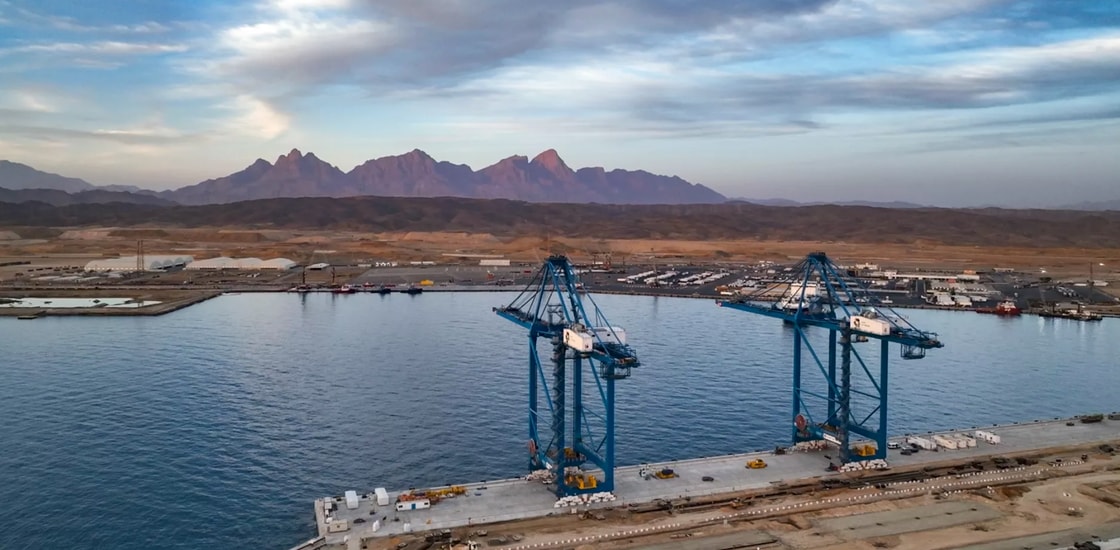
Neom port on the west coast of Saudi Arabia is emerging as a maritime centre as regional ports grapple with rising congestion from the closure of the Strait of Hormuz.
The port features a 900-metre quay, 18.5-metre deep channel and fully automated cranes are coming this year. Four berths are designed to handle up 35 million tonnes of cargo annually.
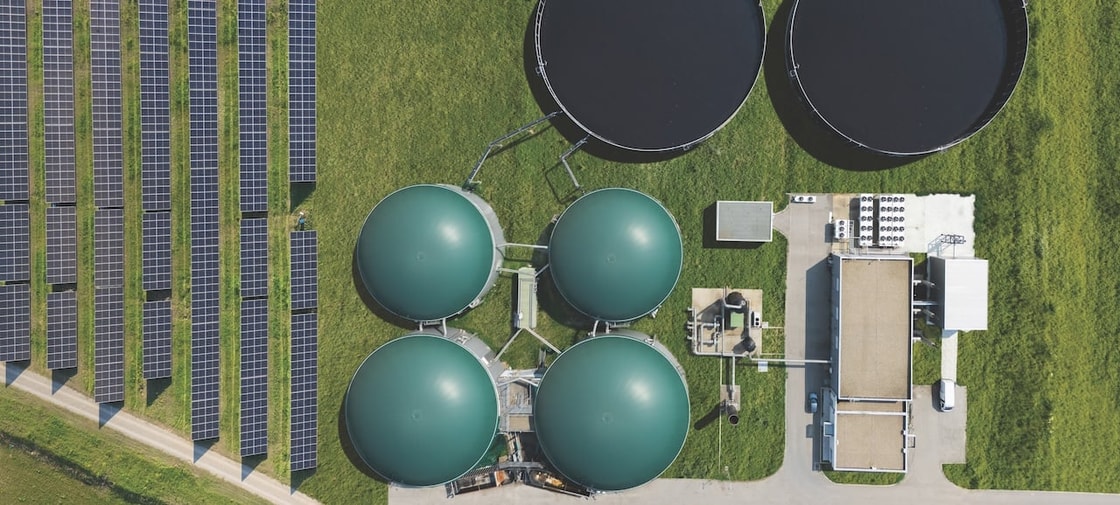
The large-scale renewable energy project aims to produce 600 tonnes of green hydrogen daily, and handle green ammonia exports from 2027.
Colin Foreman, Editor in Chief at intelligence firm MEED, said, “You’re starting to see Neom position itself as a port which can help with this outside-the-strait transport solution. If you look at local media over the last couple of days, there’s been quite a lot made on bringing goods overland into the UAE, particularly foodstuffs and other essential items.”
The Public Investment Fund of Saudi Arabia has formally included Neom as one of its six core domestic ecosystems in the newly approved 2026-2030 strategy.
Melissa Blake, Operations Director at the Port of Neom said older ports lack the electrical and communications backbone to support modern port systems.
“Starting from scratch will make this feasible and economically efficient, enabling us to scale with precision, embed resilience into every layer and converge automation, energy and data to redefine how a port operates,” she said.
It is unclear if Neom could handle specialist helium containers that have been . The bottleneck has contributed to global supply chain pressures.
Oxagon, the industrial city of Neom, signed a land lease agreement with Abdullah Hashim Industrial Gases & Equipment Co. (AHG) . As part of a SAR600m ($159m) investment, AHG is developing a ‘state of the art’ industrial gases production and distribution facility with operations due to start later this year.
Economic pressures but contract gains
Shipping rates remain under immense pressure with expected increases and fluctuations as capacity is rerouted, and congestion is causing delays in unloading supplies.
Trade corridors connecting Turkey, Egypt and the GCC are being analysed in response to the crisis. Turkey aims to develop a landbridge whereby industrial materials could move through Turkey, Syria, Jordan and the GCC.
Despite the two-week ceasefire, shipping through the Strait of Hormuz remains heavily impacted by the .
Today’s update included a ‘winners and losers’ slide indicating the scale of the crisis across markets and sectors. The prevailing narrative of a region under siege was challenged by one slide which showed almost $13bn in contract work was awarded in March during the peak of the conflict, according to MEED research.
Ed James, Head of Content and Research, said sectors such as renewables and rail would offer future opportunities. “Potentially Iran too – a market of 90 million people, [with] huge demand for investment, it could open up and be a massive two-way investment opportunity.” But Foreman said Iran is a “very long term question”.