Oil prices spiked in early Asian trade on Tuesday, after the U.S. military launched strikes on targets in southern Iran, reigniting fears of military action just a day after prices had dropped dramatically on promises of a peace deal.
At the time of writing, Brent futures had climbed to $98.39 per barrel, up 2.34% on the session after plunging 7% on Monday. WTI futures also climbed, but, as there was no settlement on Memorial Day, they remained 4.98% down from the start of the week at $91.79.
U.S. Central Command confirmed the strikes on Iranian targets near the Strait of Hormuz, including missile launch sites and vessels allegedly attempting to lay naval mines.
According to CENTCOM, the strikes were “designed to protect our troops from threats posed by Iranian forces.”
Iranian media reported explosions around the city of Bandar Abbas on Monday evening, but did not specify the source of the explosions.
The strikes come just as negotiations appeared to be making progress, with Iran’s parliamentary speaker, Mohammad Bagher Ghalibaf, and foreign minister, Abbas Araghchi, travelling to Qatar on Monday in an attempt to finalize the deal.
Marco Rubio had even floated the idea of a deal being finalized on Monday, although any permanent solution would remain over a month away as the current negotiations are focused mainly on extending the ceasefire for 60 days and reopening the Strait.
A report from Nikkei, citing a Middle East diplomatic source, said Iran could agree to clear mines from the Strait of Hormuz within 30 days under the proposed framework, allowing commercial shipping to resume freely while ending transit fee collections imposed during the conflict.
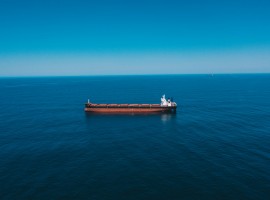
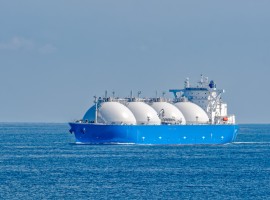
As well as promises of a deal, there has been a slight uptick in vessels passing through the Strait. Ship-tracking data showed several LNG carriers recently passed through the strait en route to Pakistan, China, and India. A supertanker carrying Iraqi crude to China also reportedly completed transit after remaining stranded for nearly three months.
As always, markets will remain on edge until a durable reopening of Hormuz is achieved, with volatility likely to remain until then. While further military action would spark a major spike in prices, traders appear to be expecting a diplomatic breakthrough.
By Josh Owens for Oilprice.com
More Top Reads From Oilprice.com
- Europe’s Gas Prices Drop 5% On Renewed U.S.-Iran Talks Optimism
- Oil Prices Plunge Below $100 on Iran Deal Optimism
- U.S.-Iran Deal Delayed as Trump Refuses to “Rush” Agreement