Oil supply disruptions, high fuel prices and faster battery innovation could give electric vehicle adoption a fresh push, with consequences for oil demand, power grids and metals markets, Wood Mackenzie said Thursday.
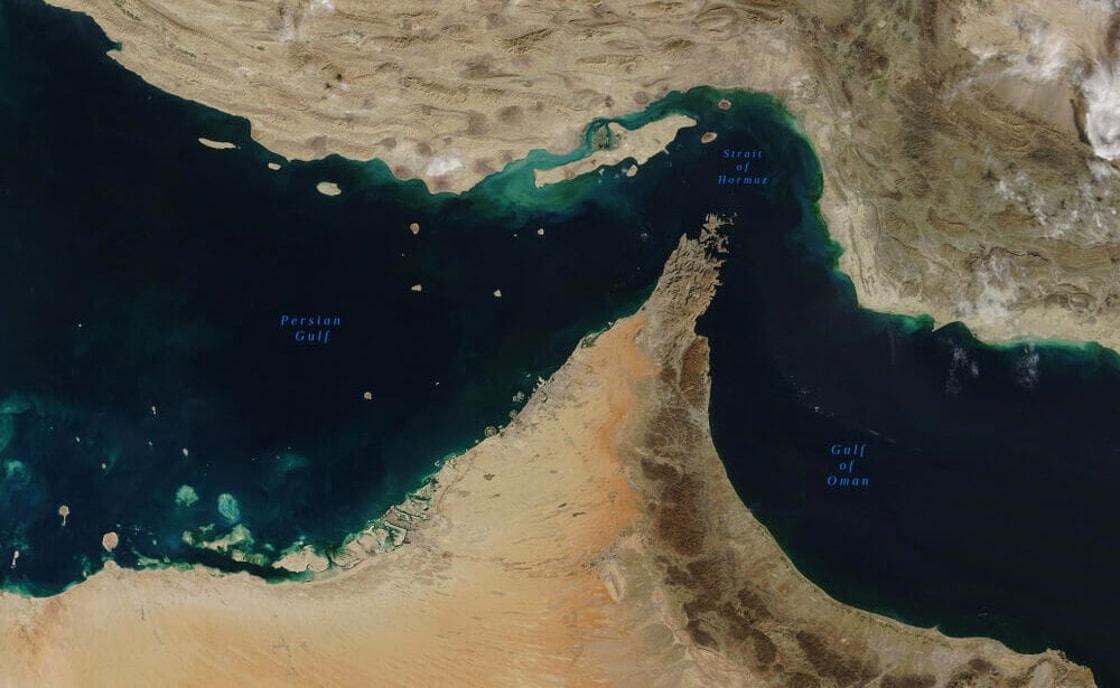
Wars affecting oil-producing Russia and Iran have exposed governments and consumers to higher fuel prices and supply risks, creating another incentive to invest in EV manufacturing and supply chains, WoodMac said in a new report.
Technology is moving quickly, too. China is making progress on five-minute charging as well as sodium-ion and lithium iron phosphate batteries. Western governments may need to increase support for domestic EV technology, or at least license more Chinese technology, to keep pace and reduce exposure to oil-price shocks.
WoodMac sees those forces eventually weighing on petroleum demand. Global oil consumption could fall to 99 million barrels per day by 2040, compared with more than 100 million bpd today.
The shift will not be evenly distributed.
The oil-rich United States is expected to see its EV market share rise from 3% today to 20% by 2040. Europe, which has a greater dependence on imported oil, could see its EV share climb from 3% in 2025 to 35% by 2040.
David Brown, one of the report’s authors, said that accelerating EV innovation outside the United States could eventually force Washington to take transport electrification more seriously if U.S. manufacturers want to remain competitive at home and abroad.
There is enough mineral supply potential to support a 50% increase in global EV volumes by 2040, according to WoodMac, but getting those materials out of the ground fast enough is another matter.
The industry would need another $45 billion of metals investment over the next decade, with copper emerging as the biggest constraint.
More EVs would add another demand source to already-strained power systems as well, according to Wood Mac. Utilities and regulators will need to expand managed charging, shifting vehicle charging toward periods when electricity supply is more readily available.
By Charles Kennedy for Oilprice.com
More Top Reads From Oilprice.com
- India Eyes Two New Sites to Expand Strategic Oil Reserves
- Decommissioning Spending in UK North Sea Hits Record High
- Romania Shuts Down Last Nuclear Reactor As Danube Hits 90-Year Low