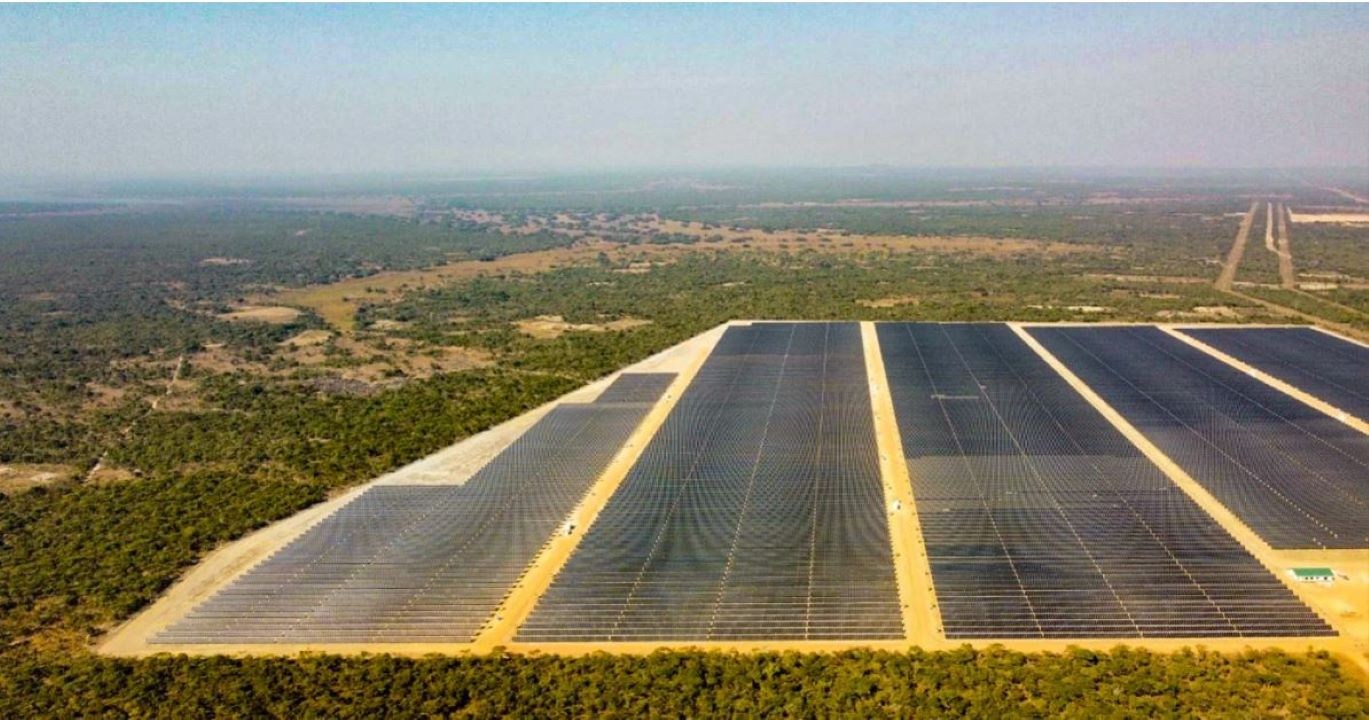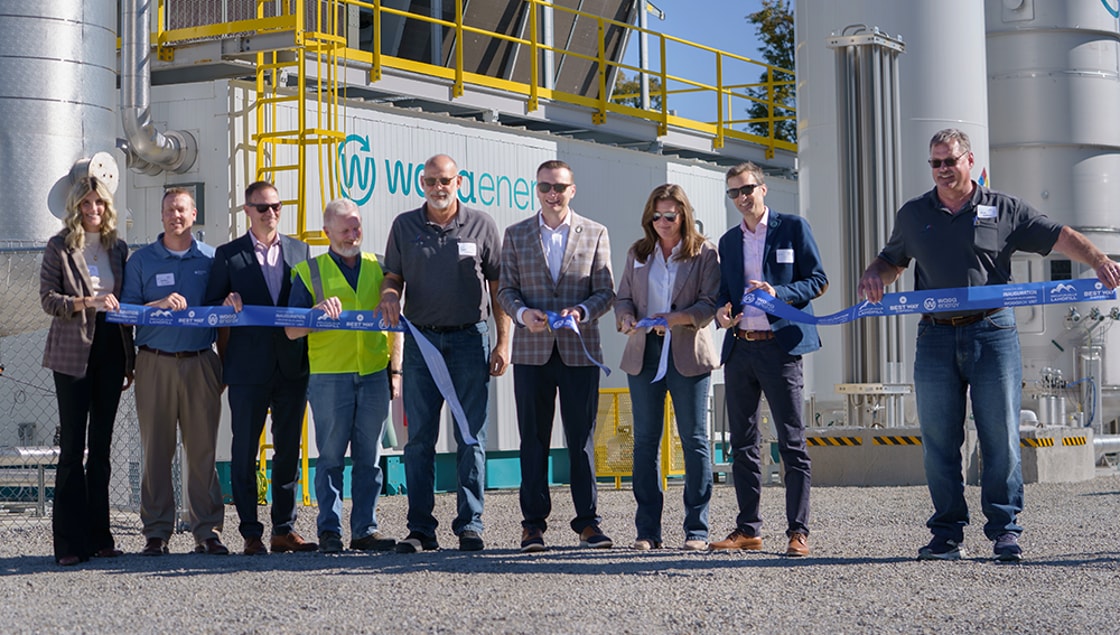
Imagine a South Africa where the sun powers communities, waste fuels industries, and rural youth become green tech pioneers. That future isn’t decades away it’s within reach, if we act now. As the world grapples with rising climate risks, deepening inequality, and economic fragility, the question is no longer whether we must go green but how fast, how far, and how inclusively we can do it. For South Africa, a country with one of the highest youth unemployment rates in the world and a pressing need for economic transformation, green entrepreneurship presents an unprecedented opportunity.
It is time to stop treating sustainability as an afterthought. We must centre it in our economic planning not only as a moral obligation, but as a strategic advantage. Done right, green entrepreneurship can create industries, unlock innovation, and restore ecosystems. It can uplift and empower rural and poor communities. And perhaps most importantly, it can give our youth a future worth believing in.
Why Green?
Let us begin with the fundamentals. Why go green? First, it is cleaner. Climate change is not a distant threat it is already here, disrupting agriculture, displacing communities, and damaging infrastructure. A green economy curbs emissions, reduces pollution, and protects biodiversity. Second, it is cheaper in the long run. Renewable energy, for example, has become more cost-effective than fossil fuels in many parts of the world. Green technologies are increasingly modular, scalable, and economically viable. Third and most importantly it is sustainable. Green models align long-term economic growth with environmental stewardship, creating resilience rather than extraction.
Green entrepreneurship is about building a more humane and sustainable society. It’s about finding that sweet spot where innovation, inclusion, and impact converge. In short, green is the new gold.
Our Natural Advantage
South Africa is not starting from zero. We are blessed with abundant sunlight, strong mineral reserves, rich biodiversity, and a dynamic, youthful population hungry for opportunity. We also have growing pockets of innovation and entrepreneurship from agri-tech hubs to clean energy startups that are quietly but steadily rewriting the script.
South Africa has a unique opportunity to lead in the green hydrogen economy. With 70% of the world’s platinum reserves a key component in hydrogen fuel cells, South Africa could manufacture electrolyser and fuel-cell components locally. Initiatives like the Sasol–Green Hydrogen National Programme and CHIETA’s Green Hydrogen Skills Centre are already laying the groundwork for a future-ready hydrogen economy. We could establish modular production units, support hydrogen-powered logistics solutions such as forklifts, and develop containerized hydrogen hubs.
The market is already forming; we must act quickly to own it. Green ammonia presents another bold opportunity particularly in fertiliser production, where decarbonisation is urgently needed. With the right investment, South Africa could pioneer ammonia-based solutions for both agriculture and green shipping fuels. Imagine small-scale ammonia plants serving farming cooperatives bringing industrial solutions to rural economies.
Circularity, Construction, and Clean Chemistry
Green plastics are another critical frontier. Traditional plastics, derived from fossil fuels, are polluting our oceans and choking landfills. The world is crying out for circular, biodegradable alternatives and we can meet that demand.
We must support green plastics incubation programmes that partner with sugar mills, breweries, and food producers to convert waste into sustainable polymers. We can create hubs for 3D filament production and foster circular design thinking in product development. This is a global export opportunity waiting to be unlocked.
In the building and construction sector, eco-brick manufacturing and energy-efficient home retrofitting offer a dual solution addressing the housing crisis while reducing carbon emissions. South Africa has the capacity to train artisans in green building techniques and insulation materials derived from recycled waste. This is job creation that is both practical and green.
Our chemical industry, too, is poised for transition. We must accelerate the move away from fossil-based inputs toward biofuels, biodegradable plastics, green solvents, and eco-friendly industrial cleaners. These are not futuristic ideas, they are tangible opportunities, and the market appetite is growing.
Water, Agriculture, and the Green Workforce
Innovation doesn’t stop with materials and machinery. Water, one of our most threatened resources, offers a powerful area for entrepreneurial disruption. Technologies like metal-organic frameworks (MOFs), pioneered by scientists like Professor Omar Yaghi, enable the harvesting of clean water from the air even in arid regions. Supporting “waterpreneurs” through startup funding and cooperatives could revolutionise water access in drought-prone areas.
In agriculture, the potential is equally massive. Green agriculture from organic and regenerative farming to hydroponics and aquaponics, is already the fastest-growing subsector in African agribusiness. Add smart sensors, AI, and data-driven planting techniques, and you have the makings of a digital green food economy. Our youth must be the architects of this transformation.
But to truly unlock green entrepreneurship, we must build the green workforce. This requires investment in training programmes for solar technicians, biogas specialists, eco-plumbers, and green artisans. We must integrate green career guidance into schools and TVET colleges and develop digital platforms that connect green-certified professionals with market demand.
Funding the Future
Of course, entrepreneurship requires more than good ideas, it requires resources. The Chemical Industries Education and Training Authority (CHIETA), in recognition of this need, has allocated R40 million toward entrepreneurship development, with a focus on green startups. This is an important step but it must be scaled, replicated, and embedded across the ecosystem.
We need dedicated grant windows for green SMMEs, especially youth- and women-led ventures. We must create green incubation hubs in rural areas, aligned to local value chains. We must incentivise public-private partnerships that offer skills development, market access, and compliance support.
Big picture thinking alone won’t change lives. We need boots-on-the-ground implementation, backed by funding, training, and political will.
Subscribe to get the latest posts sent to your email.