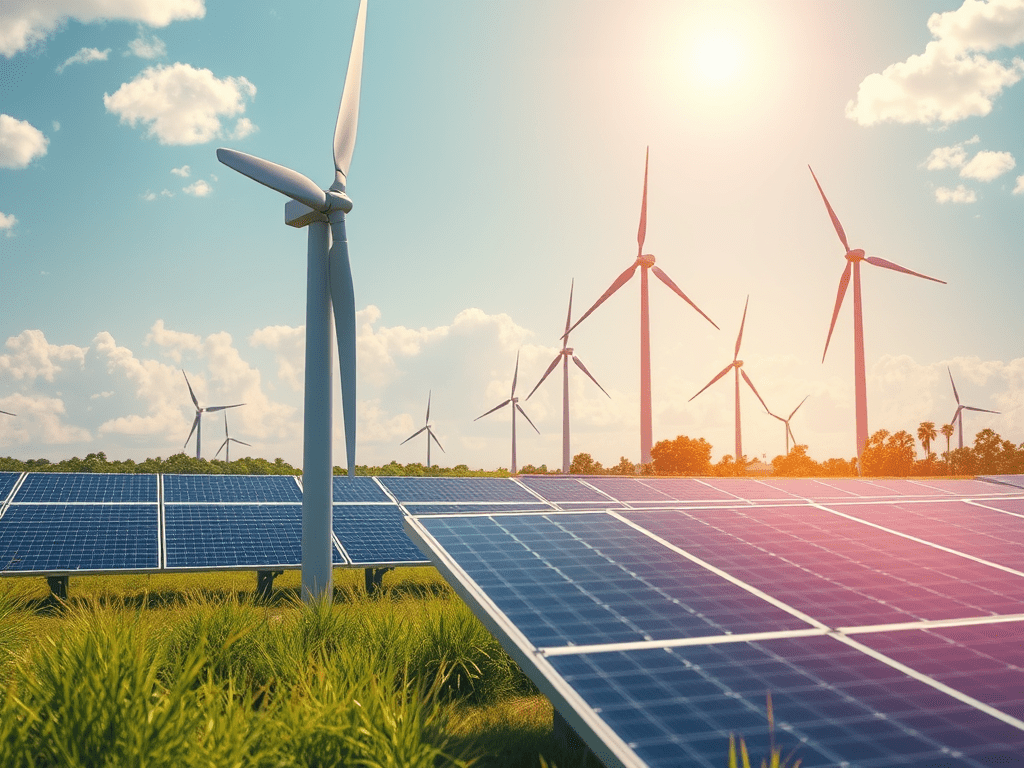
India’s renewable energy landscape is entering a transformative phase in 2026, driven by an unprecedented solar expansion that’s reshaping how power is generated, financed, and consumed across the country. Solar capacity additions, including utility-scale, distributed, and rooftop systems, are accelerating, bringing new opportunities and challenges for distributed energy and rooftop solar finance.
India’s solar growth trajectory remains impressive. Forecasts suggest that around 41.5 GW of new solar capacity will be added in fiscal 2026, with about 8 GW coming from rooftop solar systems alone, a significant rise from previous years.
In 2025, India added a record ~44.5 GW of renewable capacity, with solar accounting for roughly 35 GW of that total. Rooftop solar alone contributed approximately 7 GW of installations. These expansions are part of a broader push to reach 300 GW of solar capacity by 2030, and distributed solar (including rooftop and off-grid systems) is increasingly a pillar of that strategy.
Distributed Energy: More than Just Panels on Roofs
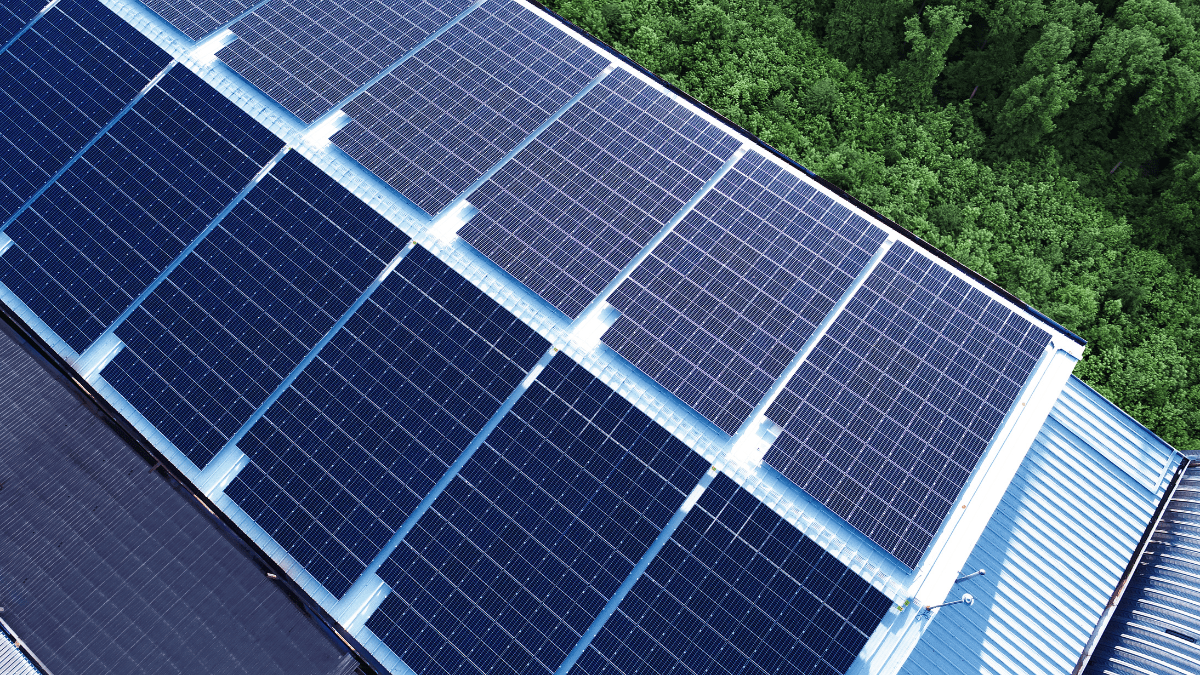
Distributed solar refers to generation located close to where energy is consumed—think rooftops on homes, schools, factories, and farms. Unlike large utility-scale projects, distributed systems reduce transmission losses, enhance grid resilience, and empower consumers with cleaner, cheaper power.
As of late 2025, rooftop and off-grid solar capacity in India stood at over 26.9 GW, reflecting both residential and commercial adoption.
The commercial & industrial (C&I) segment is especially dynamic: businesses are increasingly investing in rooftop systems to cut electricity costs (often from ₹8–₹20 per unit grid power to approximately ₹3–₹4 per unit generated onsite) and meet sustainability targets.
Policy Catalysts: Government Initiatives Powering Growth
A key driver of India’s rooftop solar surge is the PM Surya Ghar: Muft Bijli Yojana, a flagship program aimed at installing rooftop solar across 10 million households by 2026–27. The scheme offers subsidies up to ₹78,000 and supports utility-led aggregation models to streamline installations and reduce costs for consumers.
Under this program, rooftop installations were on track to double to 4 million by March 2026, a dramatic rise that underscores broad uptake.
State-level efforts are also contributing, with regions like Gujarat, Maharashtra, Uttar Pradesh, Kerala, and Rajasthan accounting for a major share of installations under Surya Ghar.
As rooftop solar transitions from niche to mainstream, financing mechanisms are evolving rapidly:
1. Subsidies & Government Support
Central and state subsidies reduce upfront costs for residential systems, making rooftop solar accessible even for middle-income households.
2. Collateral-Free Loans & Debt Instruments
Lenders are offering collateral-free or low-interest loans for rooftop systems, recognising the strong credit performance linked to predictable energy savings.
3. OPEX & Third-Party Models
Operational expenditure (OPEX) models—where a developer owns and operates the system and sells power to the consumer—are gaining traction, particularly among C&I customers. This model lowers entry barriers and enhances adoption.
4. Green Bonds & ESG Capital
Renewable energy investments are increasingly funded via green bonds and ESG-linked financing, attracting global capital seeking climate-aligned returns.
5. Aggregated Financing Platforms
Platforms aggregating multiple rooftop projects help small systems qualify for larger institutional financing, improving liquidity in the distributed solar sector.
1. Energy Independence for Consumers
Distributed solar transforms electricity consumers into producers, reducing reliance on grid power and shielding households and businesses from volatile tariffs.
2. Grid Resilience & Peak Load Relief
Distributed systems ease strain on transmission infrastructure and help manage peak demand, particularly in urban and peri-urban centres.
3. Job Creation & Economic Growth
Rapid expansion of rooftop solar drives demand for installation, maintenance, financing, and supply chain services—supporting employment across India.
4. Decentralized Clean Energy Ecosystem
A diverse energy mix—blending utility-scale solar, rooftop installations, and storage—positions India to better meet climate goals and energy access needs.
India’s 2026 solar surge is more than a headline; it marks a pivotal shift toward distributed, consumer-centric energy. With supportive policies, innovative financing, and robust market growth, rooftop solar is poised to play a central role in the nation’s clean energy future. Investing in distributed energy now not only accelerates decarbonization but also unlocks new economic and social value across the country.
By Shreyas Gowda, Senior Vice President, Oorjan Cleantech
Subscribe to get the latest posts sent to your email.