Oriental Weavers, one of the world’s largest manufacturers of woven carpets, has completed independent verification and certification of its carbon footprint and renewable energy initiatives, marking a significant milestone in its sustainability and climate action strategy.
The verification was carried out by an EGAC-accredited Validation and Verification Body in accordance with ISO 14064 standards and the GHG Protocol. The process confirmed the accuracy of the company’s carbon accounting, reporting annual emissions of approximately 102,000 tonnes of CO₂ equivalent (CO₂e) for Scope 1 and Scope 2 emissions, and around 486,000 tonnes of CO₂e for Scope 3 emissions across its value chain.
The inclusion and independent disclosure of Scope 3 emissions is considered a notable step, as many traditional industrial companies do not comprehensively measure or externally verify these indirect emissions.
Commenting on the development, Chair Ms. Yasmine Khamis said the certification underscores the company’s commitment to transparency and environmental responsibility. She noted that only a limited number of industrial companies in Egypt have achieved independent carbon footprint verification at this level.
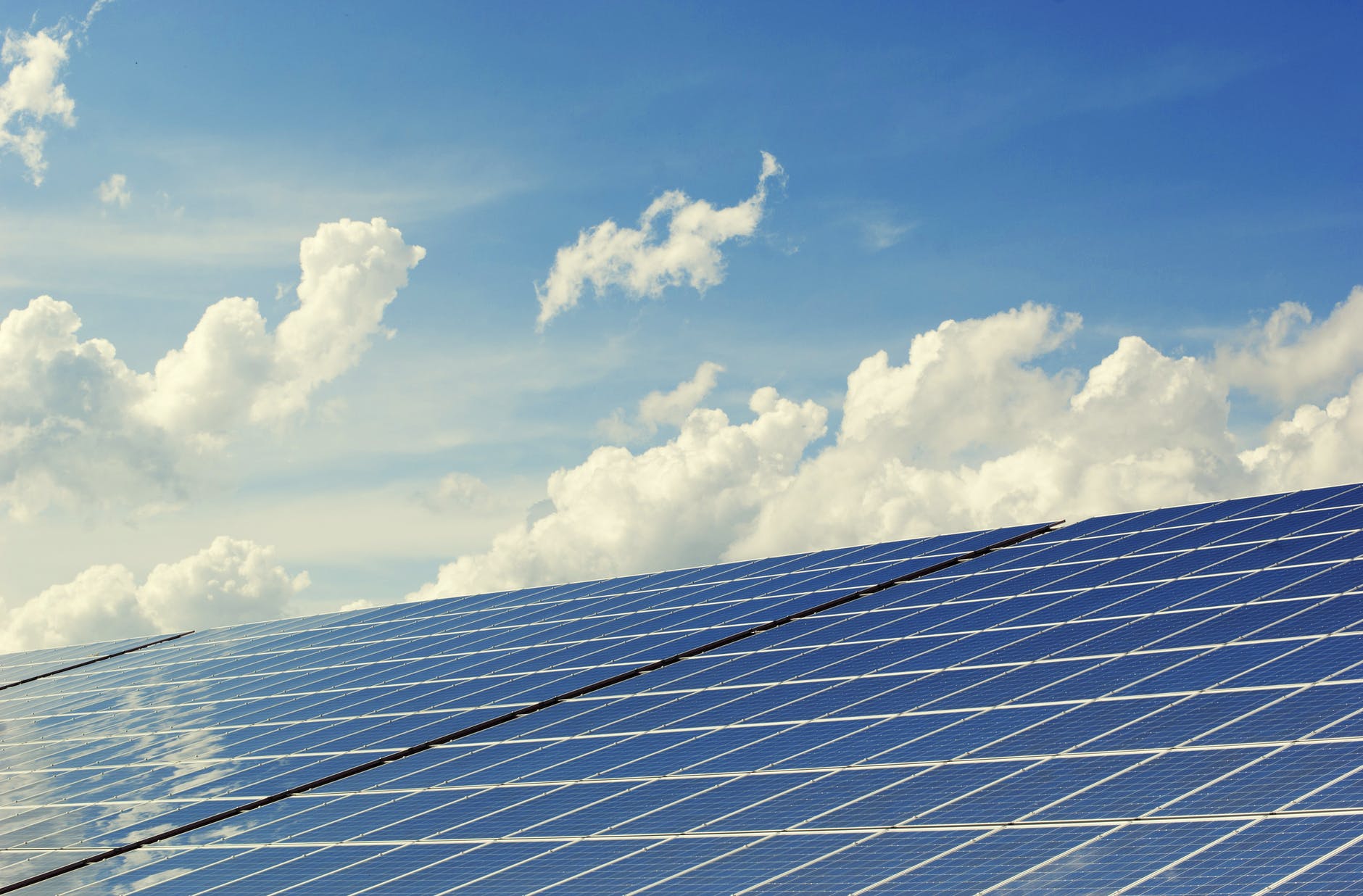
As part of its broader decarbonisation strategy, Oriental Weavers aims to generate 20% of its total energy consumption from solar power within five years across its 27 factories. The initiative aligns with Egypt’s renewable energy targets and national emissions reduction objectives.
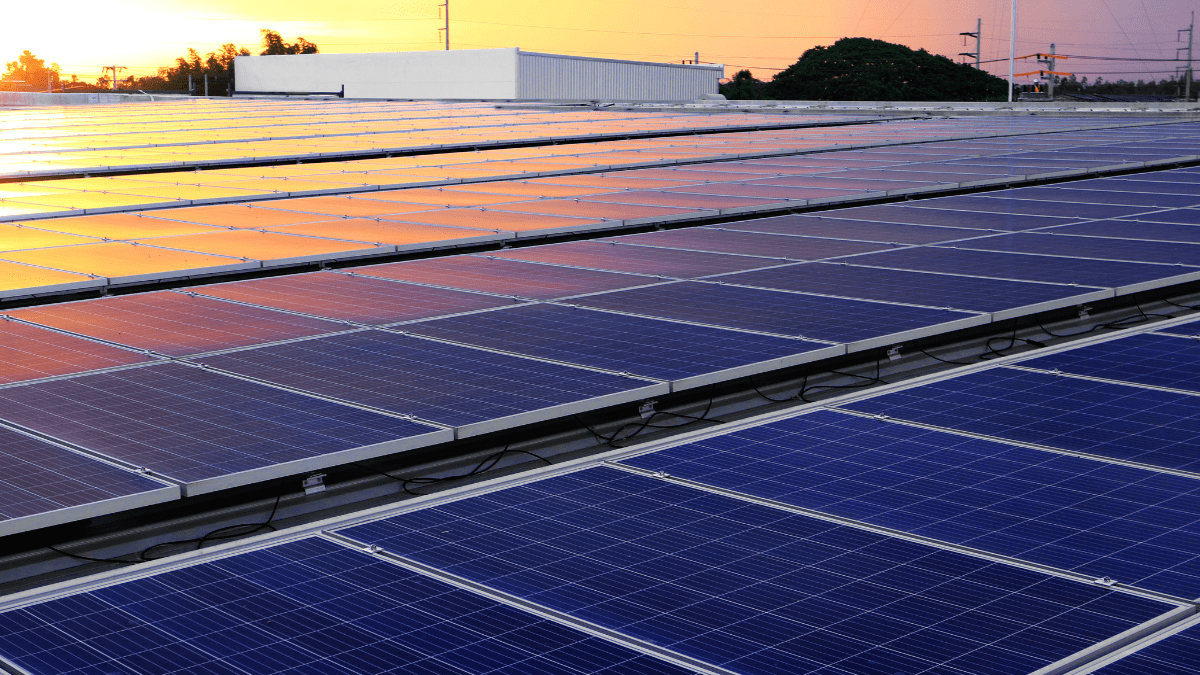
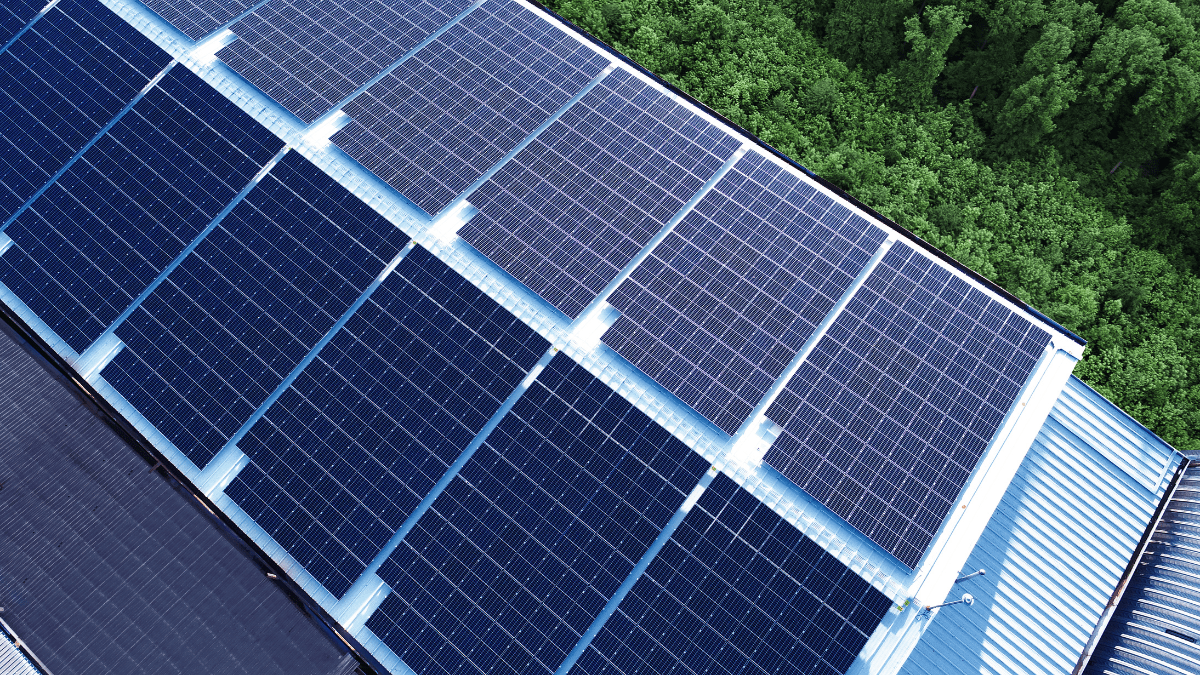
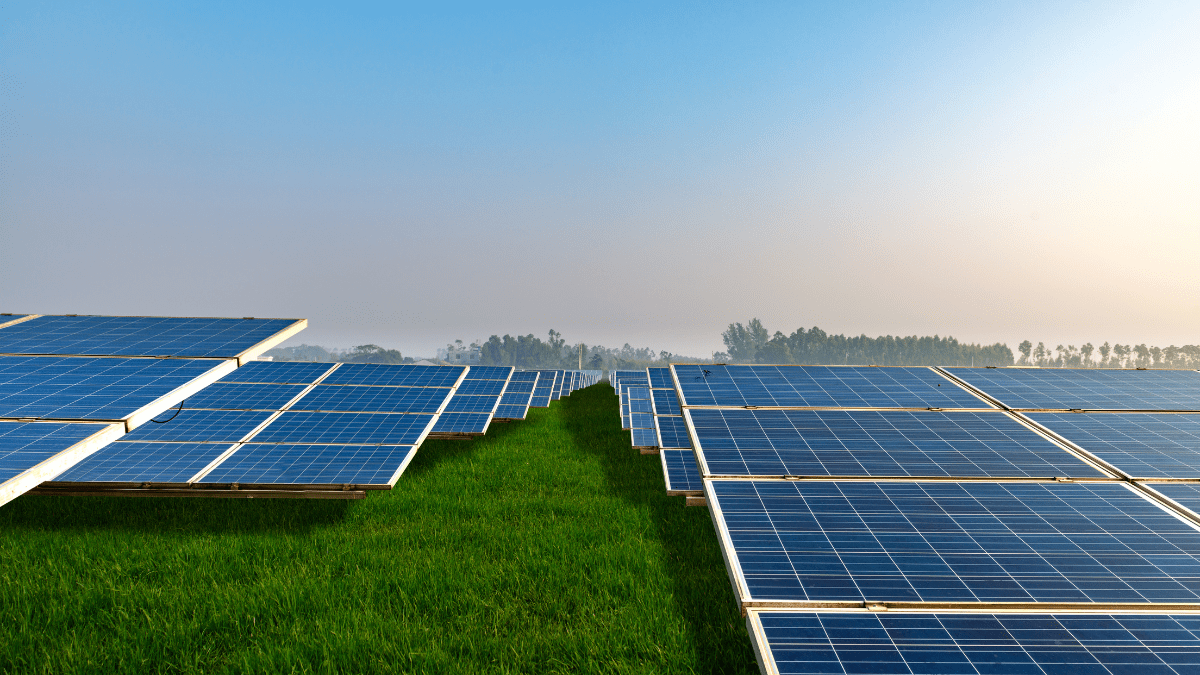
The company also reported measurable progress from its renewable energy investments. Its 2.5 MWp on-site solar photovoltaic plant has delivered a verified annual emissions reduction of 1,815 tonnes of CO₂e. A second 5 MWp solar plant, expected to become operational soon, is projected to reduce emissions by 3,101 tonnes of CO₂e annually.
The company said these initiatives demonstrate that large-scale industrial operations can adopt clean energy solutions while maintaining productivity. It added that strengthened sustainability credentials are expected to enhance its competitiveness in key export markets, particularly in Europe and North America, where buyers increasingly require verified environmental performance and emissions transparency.