An explosion at an Intel factory in Israel that killed two workers on 14 October was reportedly caused by a gas cylinder malfunction during unloading from a truck at the Kiryat Gat Fab 28, according to reports from The Times of Israel and CTech.
Israel’s Fire and Rescue Services said the blast sparked a fire and involved a leak of nitrogen trifluoride (NF3), a non-flammable gas used to clean process chambers in semiconductor manufacturing equipment.
The services deployed eight firefighting and rescue teams, including specialist hazardous-materials units, to contain the blaze and assess the risks associated with the NF3 leak.
Three employees suffered severe burns in the explosion, with two subsequently dying in hospital. Israel’s Ministry of Environmental Protection said the incident occurred after one unloading operation had been completed and while the next container was being connected.
The ministry said its Southern District emergency team attended the site alongside the Ashkelon Cities Association to assess the environmental impact.

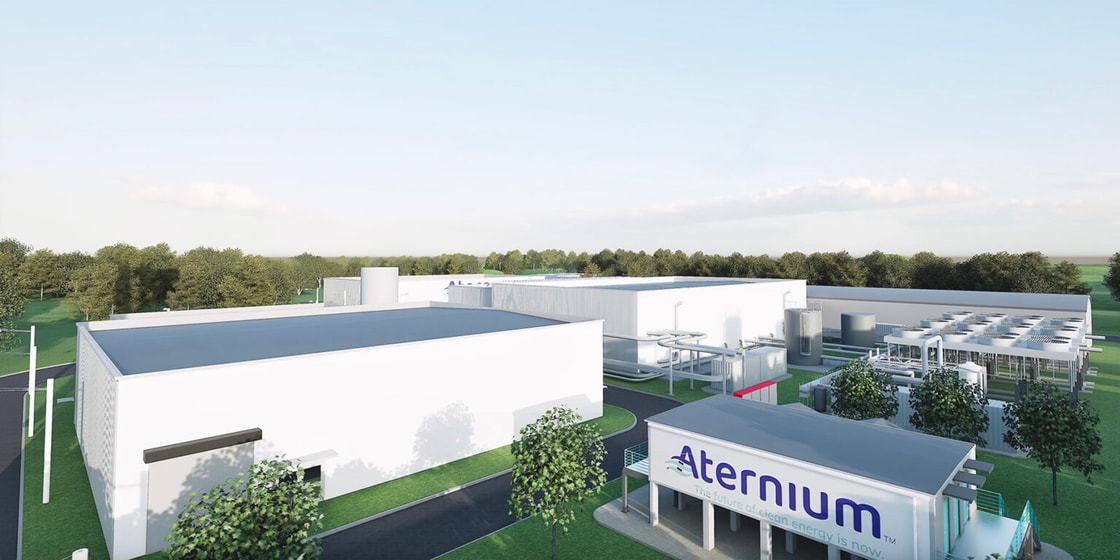
Intel’s Fab 28 ©Data Center Dynamics
A ministry statement, published on 14 October, read, “At this stage, the circumstances of the incident are under investigation. The Ministry will update as necessary.”
Intel’s Kiryat Gat site houses Fab 28, which manufactures processors and products for applications including 5G and artificial intelligence (AI) using Intel’s Intel 7 process technology.
The facility forms part of Israel’s ambitions to strengthen its position in global semiconductor manufacturing. In 2023, Intel agreed to invest $25bn in an expansion of its Kiryat Gat site, with the Israeli government committing $3.2bn in grants. However, the planned Fab 38 expansion has since been frozen, with the project’s future remaining uncertain.
The company has not confirmed whether the explosion disrupted production at the fab or affected chip supplies.
NF3 is used to clean deposits from the process chambers of semiconductor manufacturing equipment. It is particularly useful because it can be supplied as a gas and converted into reactive fluorine species in plasma-cleaning processes.