Sanctions and Arctic LNG: The Grey Zone Expands

By Sinead Richmond

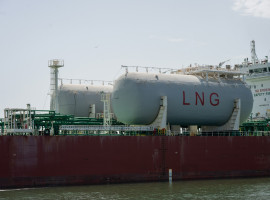
Despite sanctions, Russia’s Arctic LNG 2 project continues to send cargoes to China. These shipments highlight the ingenuity — and opacity — of global shipping.

The mechanics of evasion
Tankers use ship-to-ship transfers, reflagging, and obscure ownership structures to mask cargo origins. Automatic Identification System (AIS) transponders are sometimes turned off to evade detection. The result is a grey zone of trade that regulators struggle to police.

Risks for shipowners
The rewards are high: discounted cargoes and lucrative charters. But so are the risks. Insurers may refuse coverage, banks may decline financing, and regulators may impose secondary sanctions. For mainstream players, the reputational damage is too great.

China’s role
For China, Arctic LNG offers energy security and bargaining power. By buying discounted Russian LNG, it diversifies supply while deepening strategic ties with Moscow.

Strategic consequences
Longer term, Russia is investing in ice-class vessels and Arctic infrastructure to bypass Western chokepoints. That could shift global trade patterns, creating a parallel energy system less dependent on Western approval.

Lesson for regulators
The Arctic LNG case shows that sanctions, while disruptive, cannot fully halt energy flows. Policymakers must adapt enforcement to a shipping industry skilled at finding loopholes. For shipowners, the choice is binary: profit from the grey trade, or safeguard legitimacy in mainstream markets.

  • Related Posts

    Steady Course Toward Net-Zero: MEPC/ES.2 Strengthens Path to Global Shipping Agreement

    By Andrew Darnton, Shipping Correspondent The International Maritime Organization’s Marine Environment Protection Committee (MEPC) concluded its second Extraordinary Session (MEPC/ES.2) in London on October 17, marking a constructive phase in…

    Oil Market Crossroads: Geopolitics and Price Volatility

    By Stephen Burge Crude oil has always been the heartbeat of the global energy system, but in 2025 it feels less like a steady pulse and more like an erratic…

    Have You Seen?

    Global Gas Crunch Makes Europe’s Remaining Coal Plants Profitable

    • October 16, 2026
    Global Gas Crunch Makes Europe’s Remaining Coal Plants Profitable

    Data Centers Drive Surge in India’s Renewable Power Demand

    • October 16, 2026
    Data Centers Drive Surge in India’s Renewable Power Demand

    Iran War Set To Push PetroChina’s Trading Profit to Record $3 Billion

    • October 16, 2026
    Iran War Set To Push PetroChina’s Trading Profit to Record $3 Billion

    Air Liquide to expand nitrogen pipeline in China to support chipmaking

    • October 16, 2026
    Air Liquide to expand nitrogen pipeline in China to support chipmaking

    Aternium targets 2027 off-site construction of hydrogen, heavy-water systems

    • October 16, 2026
    Aternium targets 2027 off-site construction of hydrogen, heavy-water systems

    Intel Israel plant explosion sparks NF3 leak

    • October 16, 2026
    Intel Israel plant explosion sparks NF3 leak

    Trump Condemns Ukraine’s Russian Refinery Strikes as a “Disgrace”

    • October 16, 2026
    Trump Condemns Ukraine’s Russian Refinery Strikes as a “Disgrace”

    India Slashes Diesel Export Tax as Global Fuel Crunch Deepens

    • October 16, 2026
    India Slashes Diesel Export Tax as Global Fuel Crunch Deepens

    South Korea Turns Back to Coal as LNG Crisis Deepens

    • October 16, 2026
    South Korea Turns Back to Coal as LNG Crisis Deepens

    China’s Sufficient Gas Stocks Could Ease Winter Supply Concerns

    • October 16, 2026
    China’s Sufficient Gas Stocks Could Ease Winter Supply Concerns