

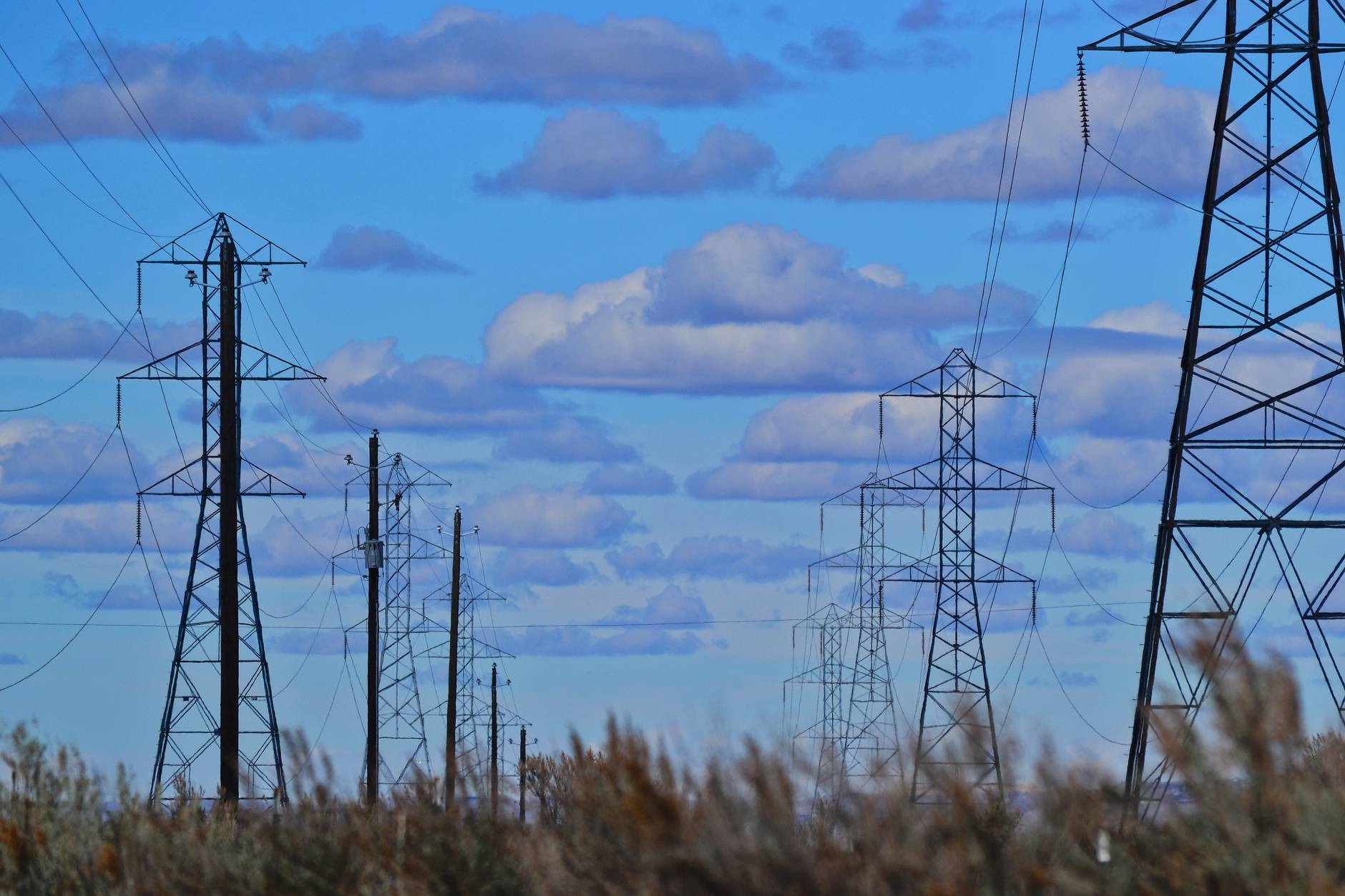
Businesses in the Philippines and Indonesia are moving quickly toward electrification, but governments in both countries are struggling to provide the infrastructure needed to support this transition. A new survey conducted by international climate organizations, including E3G, the We Mean Business Coalition, and the Global Renewables Alliance, highlights a growing gap between corporate sustainability goals and government action.
The survey found that nearly all businesses in both countries expect to electrify most of their operations before 2035. Companies plan to replace fossil fuel-powered equipment with electric alternatives as part of their efforts to reduce costs and improve energy security. Business leaders believe electrification can help lower long-term operating expenses while reducing exposure to fluctuating global fossil fuel .
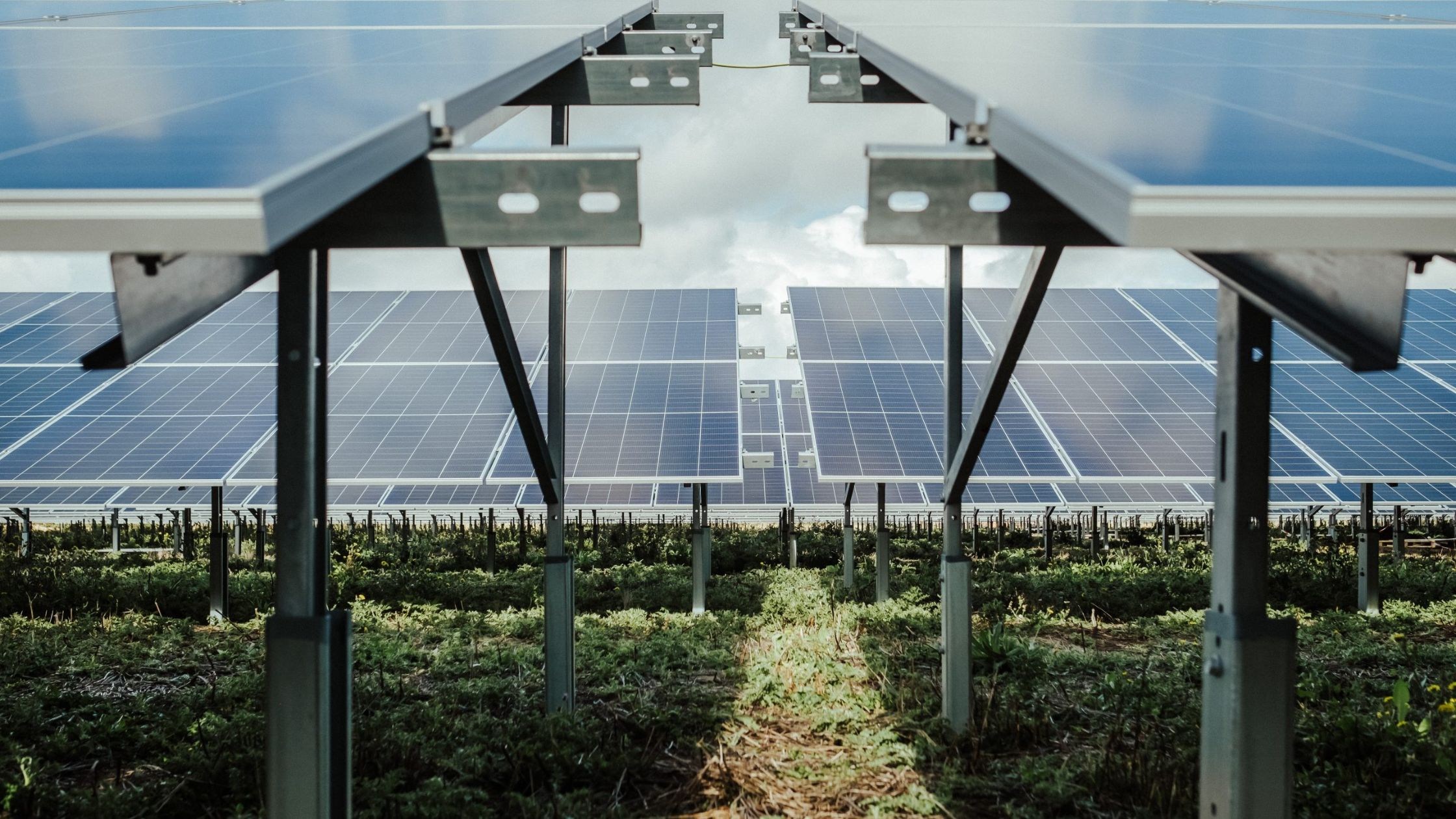
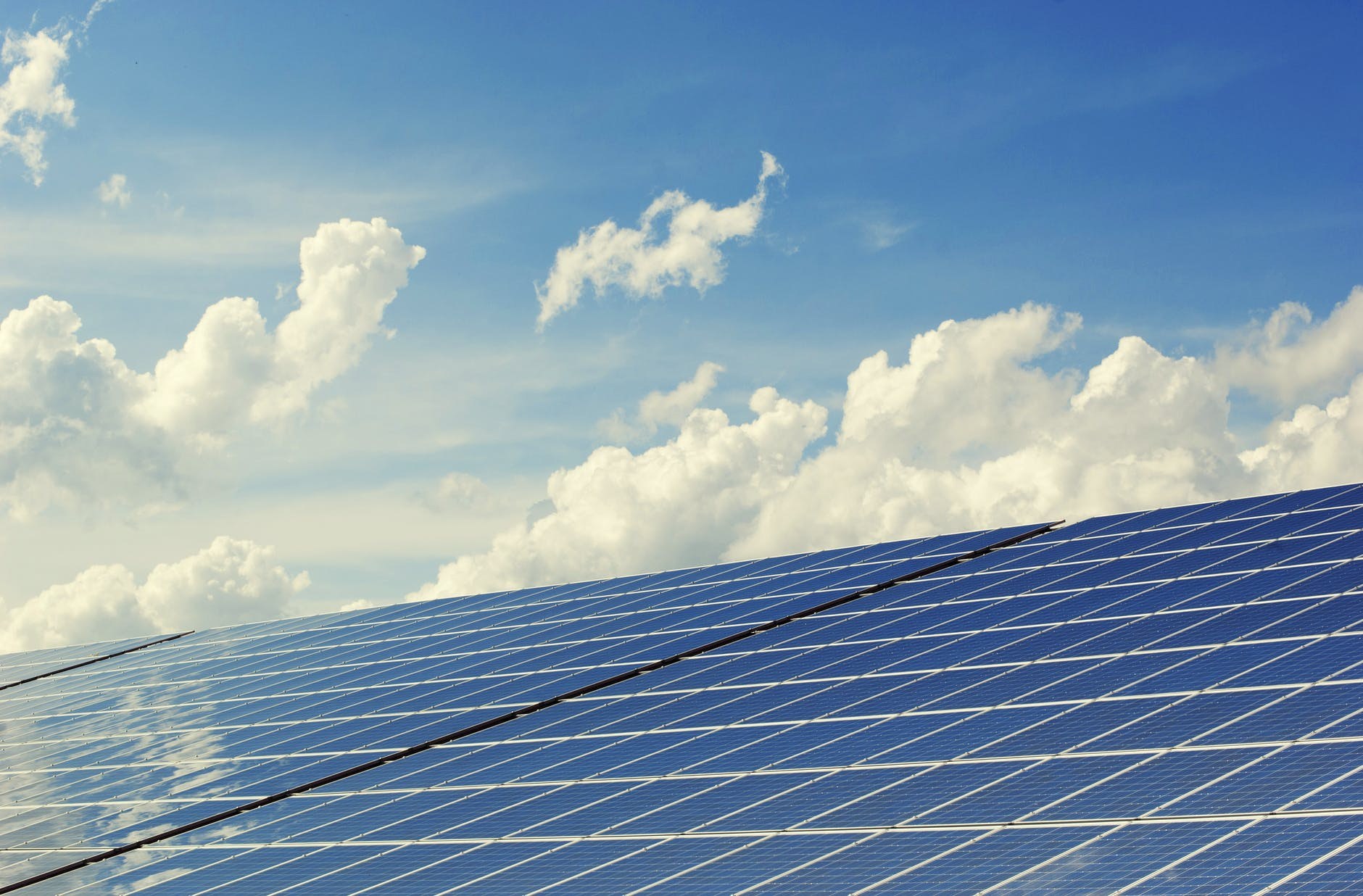
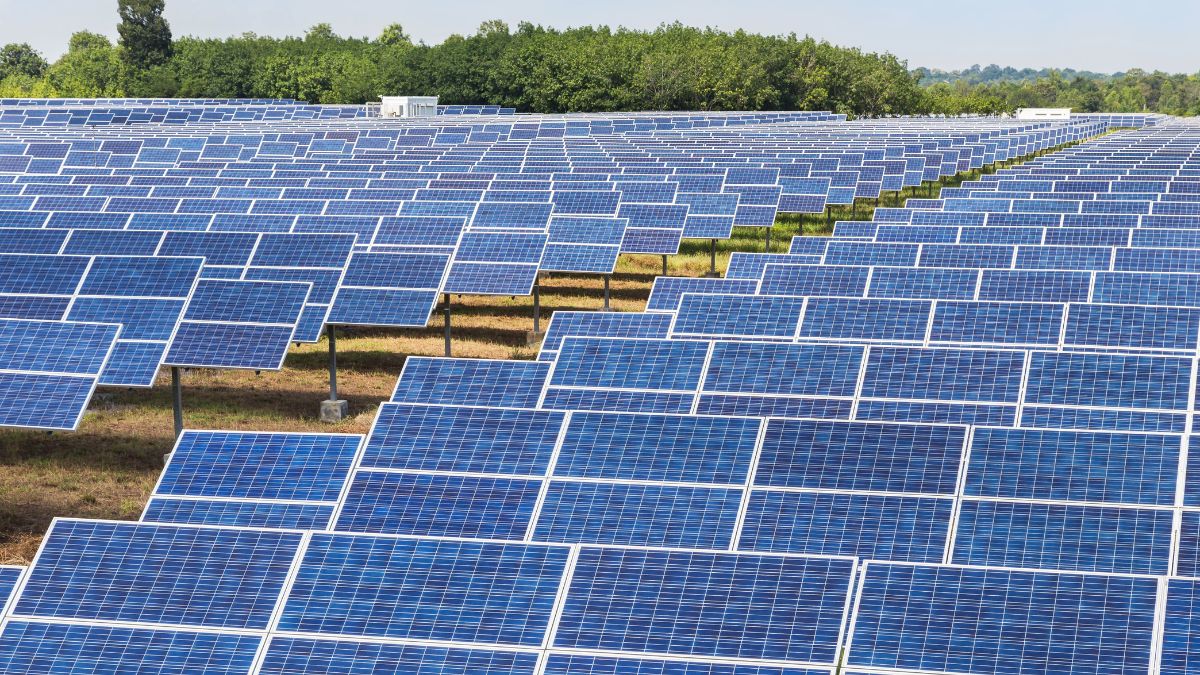
Many companies are already seeing the benefits of renewable energy solutions such as solar power. Executives noted that installing solar panels can significantly reduce monthly electricity bills while providing a more reliable source of power for important operations, including lighting and refrigeration systems.
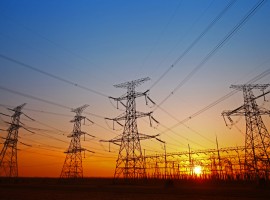
Despite strong corporate interest in electrification, many business leaders believe that public infrastructure is not keeping pace with demand. According to the survey, 83 percent of Indonesian executives and 82 percent of Filipino executives want their governments to increase investments in electricity grid capacity and connectivity. In the Philippines, 89 percent of business leaders said government policies are progressing too slowly to support the pace of electrification required by businesses.
The concerns come even as the Philippines has set ambitious renewable energy goals. The country aims to increase the share of renewable energy in its electricity mix to 35 percent by 2030 and 50 percent by 2040. However, 92 percent of Filipino executives said the nation’s dependence on imported fossil fuels creates significant geopolitical and economic risks. Additionally, 80 percent believe the country risks falling behind in the global shift toward electrification. The survey also revealed that 78 percent of Philippine businesses may consider relocating operations overseas if adequate government support is not provided.
Indonesia faces similar challenges. While renewable energy development is receiving greater attention, the country’s state utility expects renewables to account for just over one-third of electricity generation by 2034. Industry stakeholders argue that there is still no clear strategy to meet the rapidly growing electricity demand from industries switching away from fossil fuels.
Globally, companies identified limited government incentives and insufficient investment in power grids as the main barriers to electrification. These challenges are already affecting business plans, with half of the surveyed companies reporting delays in their electrification projects due to inadequate infrastructure and policy support.
Subscribe to get the latest posts sent to your email.



)