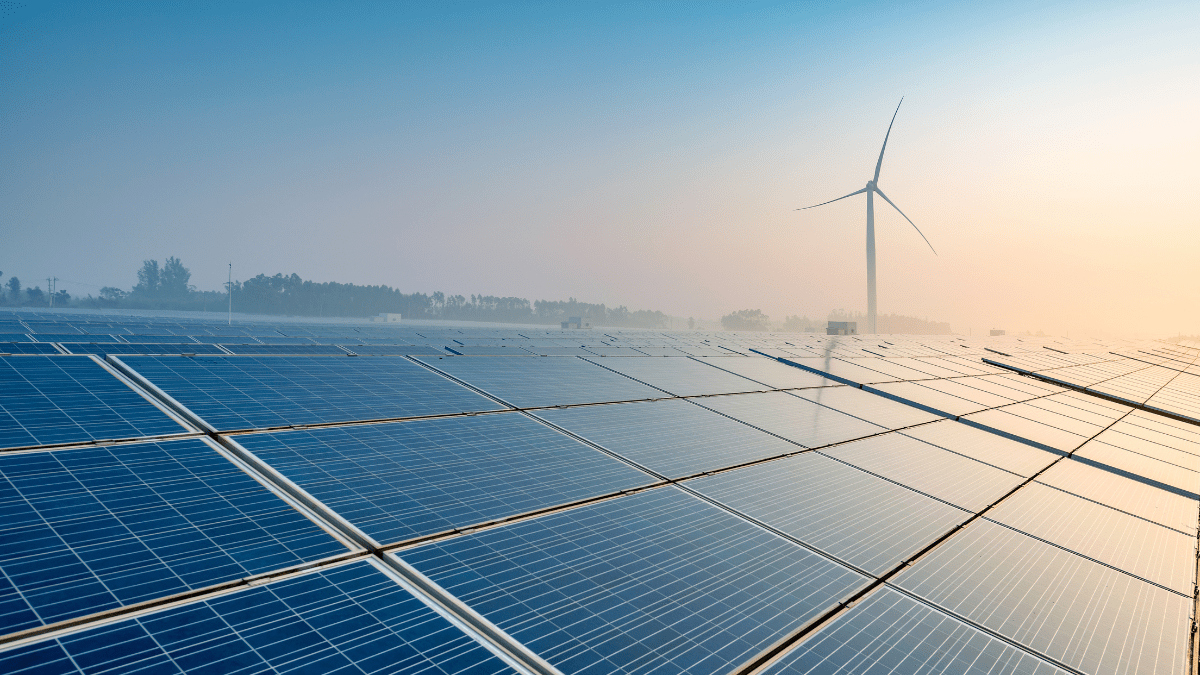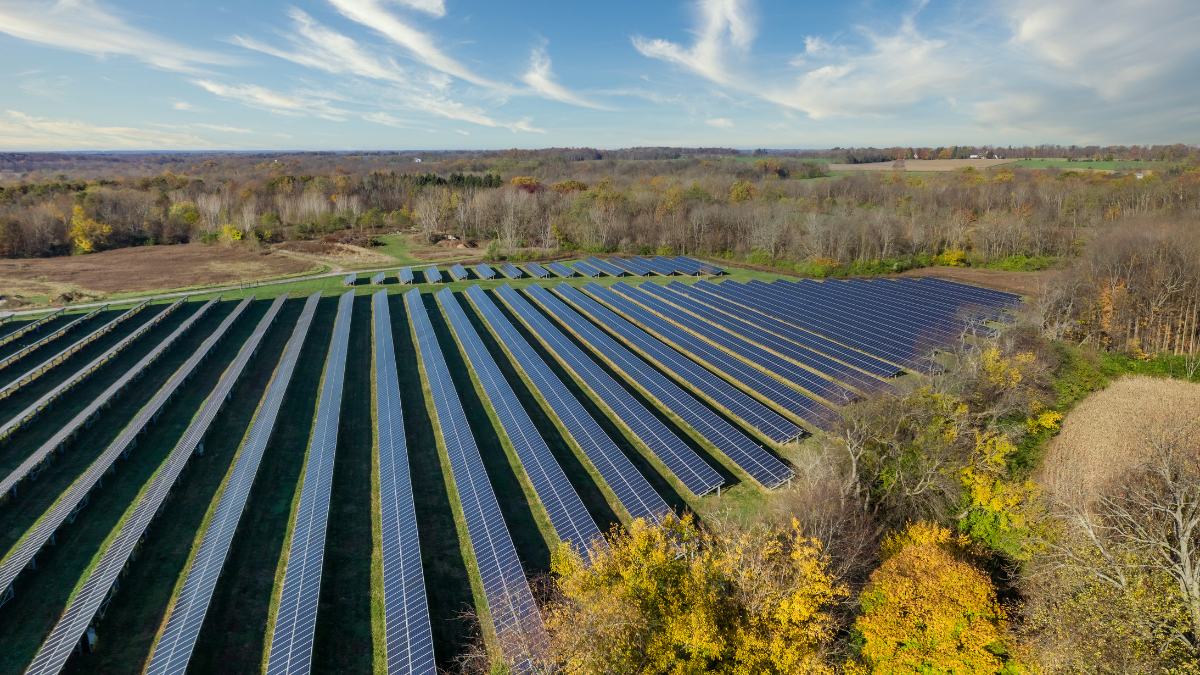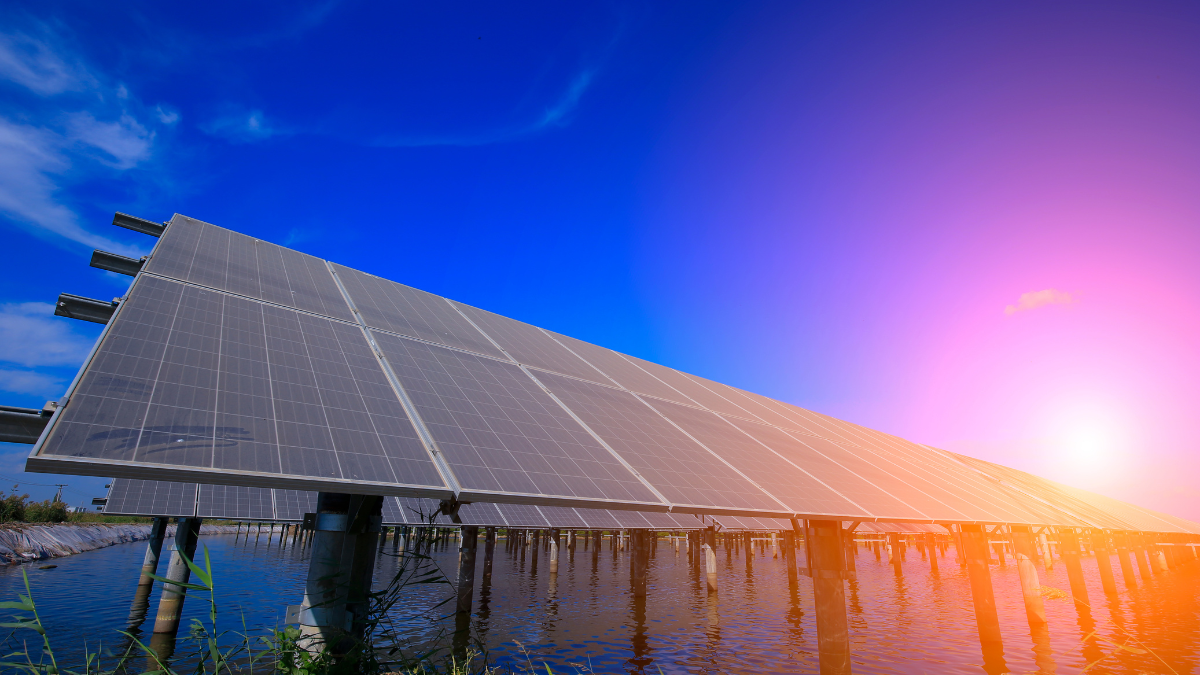
PPC Group has completed the construction of its major photovoltaic projects in Amyntaio and Ptolemaida in Northern Greece, marking a significant milestone in the country’s clean energy transition. Built on former lignite mine areas, these solar installations form one of the largest photovoltaic clusters in Europe, with a total capacity of 2,130 MW.
The stations are capable of generating 3,150 GWh of electricity each year, equal to almost 6% of Greece’s annual electricity consumption. This amount of clean energy can supply the needs of approximately 750,000 households. In addition, their operation is expected to prevent more than 1.5 million tons of CO₂ emissions annually, contributing substantially to Greece’s decarbonization goals.
Alongside the solar developments, PPC Renewables, the Group’s wholly owned subsidiary, has also completed two electrochemical energy storage stations in Ptolemaida and Meliti and is currently progressing with the construction of a third battery storage facility in Amyntaio. At the same time, PPC has secured all regulatory approvals necessary to develop two pumped-hydro storage units in Kardia and South Field, which will play a key role in balancing the grid as renewable energy generation expands across the region.
Konstantinos Mavros, Deputy CEO for Renewable Energy Sources at PPC Group, emphasized the importance of renewable energy in the current geopolitical and economic climate. He noted that renewable sources offer Greece a valuable strategic advantage by strengthening energy independence.
Mavros highlighted that Greece’s energy transition has advanced significantly—thermal generation has dropped from 67% to 50% in less than seven years—and PPC Group has played a central role in this shift. He added that Western Macedonia, once defined by its lignite-based economy, is now emerging as the country’s new green energy hub, hosting Europe’s largest photovoltaic cluster and new storage facilities that ensure stable use of renewable energy.
Within the planned timelines, PPC Group has delivered five large photovoltaic plants with a combined capacity of 2,130 MW. These include the “Phoebe” plant near Pontokomi, a 550 MW project generating 880 GWh annually—enough for approximately 196,000 households and preventing 440,000 tons of CO₂ emissions each year. It represents around 1.8% of electricity production in Greece’s interconnected system.
The 940 MW Amyntaio photovoltaic complex, developed in cooperation with RWE across the areas of Rodonas, Filotas, Lakkia and Perdikkas, has an estimated annual production of 1,500 GWh, supplying nearly 298,000 homes while avoiding over 750,000 tons of CO₂ annually. The “Helios Velos 1” plant near Ptolemaida has a capacity of 200 MW, producing an estimated 320 GWh yearly and covering the needs of around 71,000 households while reducing emissions by roughly 160,000 tons per year.
Two additional 80 MW plants—“Exochi 7” and “Akrini”—each produce about 122 GWh annually, supplying approximately 27,000 households apiece and preventing nearly 61,000 tons of CO₂ emissions each year. Beyond these large installations, ten smaller photovoltaic stations have also been constructed on former lignite sites, collectively generating enough solar energy to support thousands more homes and further reduce greenhouse gas emissions.
PPC Group has also placed strong emphasis on involving local communities in the transformation of Western Macedonia. Fulfilling commitments outlined during the presentation of its regional investment plan in April 2025, the company launched a €5 million bond offering on March 13, 2026, designed exclusively for residents of Kozani and Florina.
This initiative allows local citizens to invest directly in the renewable projects being developed in their area while benefiting from stable returns. The bonds are available for subscription until April 17, 2026, with a nominal value of €100 each and participation limits ranging from five to 250 bonds. The annual guaranteed return is set at 8%, resulting in a 40% increase in the initial investment over five years before taxes.
PPC Group’s next major focus is the expansion of energy storage systems, which are essential for integrating large-scale solar power into the electricity network. Storage units absorb excess electricity generated during periods of high renewable output and release it back into the system during times of higher demand. They also play a vital role in maintaining grid stability.
In Western Macedonia, PPC Renewables has already completed the Ptolemaida and Meliti battery energy storage systems, which together have an installed capacity of 98 MW and a total storage capacity of 196 MWh. Near the Amyntaio Power Plant, construction is underway for an additional electrochemical storage station with 50 MW of capacity and 200 MWh of storage, capable of supplying power for up to four hours. This project is expected to be completed soon.
In parallel, PPC is advancing two large pumped-hydro storage projects on former mining sites, both of which have secured the required regulatory approvals. The first is at the Kardia mine, where decommissioned cooling towers have freed space for a plant with a generation capacity of 320 MW for up to eight hours. The lower reservoir will be located at the bottom of the former mine. The second pumped-hydro unit is planned for the South Field mine and is designed for a capacity of 240 MW operating for 12 hours, with an estimated investment cost of €310 million.
Pumped-hydro storage represents one of the most effective large-scale energy storage technologies available today. It involves two water reservoirs at different elevations and hydroelectric turbines. During periods of low electricity demand, renewable energy is used to pump water from the lower to the upper reservoir, storing it as potential energy.
When demand rises, water is released back down through turbines to generate electricity. PPC’s inactive mines offer ideal conditions for such projects due to their natural elevation differences and their suitability for conversion into water reservoirs. Through this innovative reuse of former mining sites, PPC Group is transforming once fossil-fuel-dependent areas into dynamic hubs for clean, sustainable and flexible energy infrastructure.
Subscribe to get the latest posts sent to your email.