By
13 min ago 2 min read
Qatar has cut government department budgets by up to 30% as the Gulf state grapples with the collapse in LNG revenues.
The figure was disclosed in a Financial Times report.
LNG is the foundation of the Qatar economy, historically generating tens of billions of dollars annually, and providing around 83% of total government revenue.
Surplus LNG profits fuel the Qatar Investment Authority, one of the world’s largest wealth funds, which can provide a buffer through the crisis.
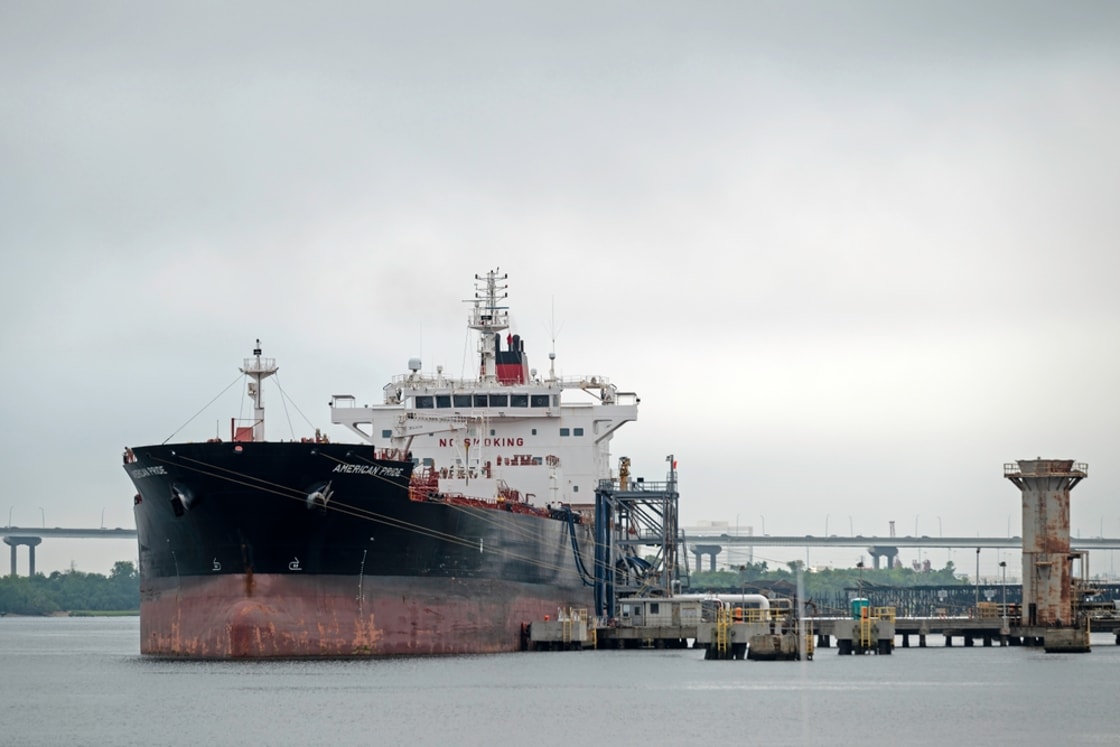
Since the start of the war at the end of February, Ras Laffan production has impacted by missile strikes and shipping through the Strait of Hormuz has ground to a halt. Fewer than 20 ships transited the strait over the weekend.
Train 5 at Qatar’s earlier this month, according to Energy Aspects and Kayrros LNG intelligence monitoring.
The International Monetary Fund projects that Qatar’s economy will contract by 8.6% this year, representing the steepest economic decline among all six Gulf Cooperation Council (GCC) nations.
Combined lost energy revenues for Qatar and Kuwait are estimated by Goldman Sachs to be draining $1.5-$2bn per week. The ongoing tensions are creating a worsening humanitarian situation, according to the UN, and disruption to airline schedules, another key economic pillar for Qatar, Dubai and Abu Dhabi.
The disruption to LNG production is also heavily impacting the global helium market, with ripples felt as far as , although industrial gas majors such as Linde are .