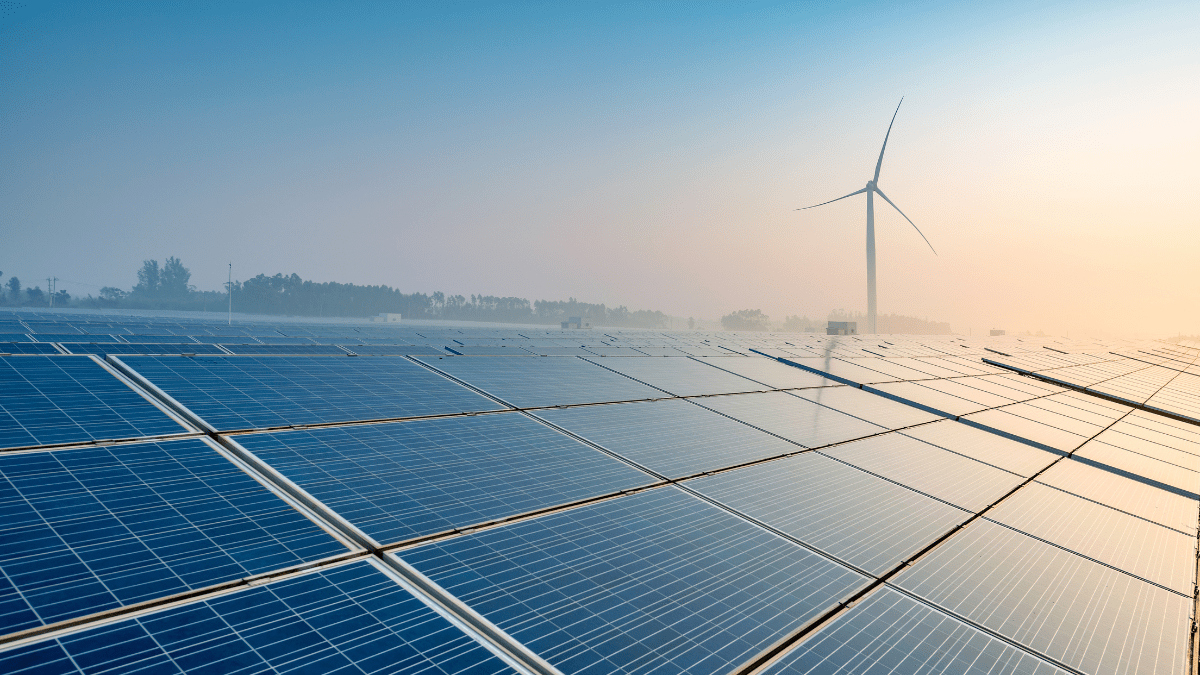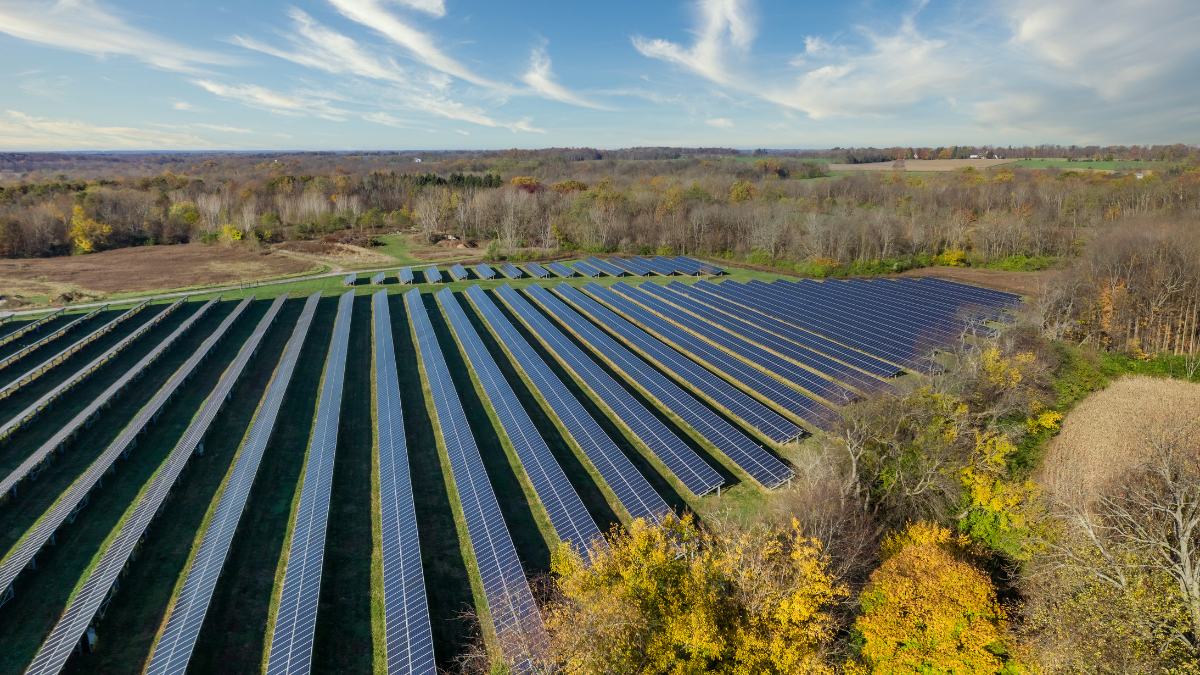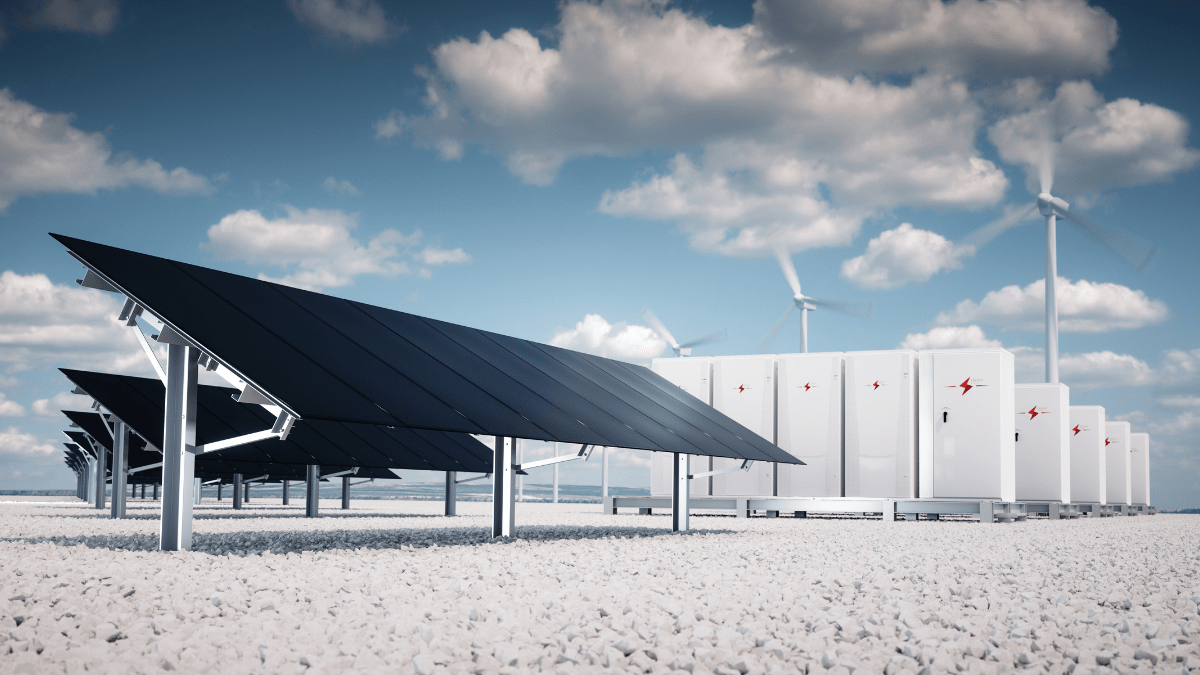
India’s evolving energy landscape is witnessing a rapid shift as falling battery costs and expanding solar capacity position solar-plus-storage systems as a viable large-scale solution for electricity supply.
According to recent analysis, solar energy combined with battery storage could already meet up to 90% of India’s electricity demand at a competitive Levelised Cost of Electricity (LCOE) of approximately INR 5.06/kWh ($56/MWh).
The assessment estimates that achieving this level of supply would require around 930 GW of solar capacity and 2,560 GWh of battery storage, leveraging only a portion of India’s vast solar potential. Battery storage plays a critical role in this model by converting daytime solar generation into dispatchable electricity, ensuring supply continuity after sunset.
However, the analysis highlights that the primary challenge is not battery availability but extended periods of low solar generation, particularly during the monsoon season.
The findings come amid a sharp improvement in battery economics. Turnkey battery costs declined by nearly 40% in 2024, followed by an additional 31% reduction in 2025, significantly enhancing the commercial viability of round-the-clock solar power systems.
Solar energy has already established itself as one of the most cost-effective power sources globally, with the International Energy Agency describing it as the “cheapest form of electricity in history.” The continued decline in storage costs is further accelerating the transition toward hybrid renewable systems.
Similar trends have been observed in other solar-rich markets, where solar-plus-storage configurations are enabling countries to meet a substantial share of electricity demand while strengthening energy independence.
In India, solar energy is playing an increasingly prominent role in the power mix. It accounted for 9.4% of total electricity generation in 2025, nearly doubling from 5.3% in 2022. Installed solar capacity has also surged to 143 GW in FY 2025–26, compared to less than 5 GW in FY 2014–15.
Solar generation currently meets up to 25% of electricity demand during peak daylight hours, though its contribution drops to zero at night—highlighting the growing importance of storage integration.
The analysis further indicates that India’s largest electricity-consuming states are well-positioned to benefit from solar-plus-storage systems, given favourable demand patterns that align with periods of higher solar radiation.
As battery costs continue to decline and technology improves, solar combined with storage is expected to play a central role in helping India achieve its target of 500 GW of non-fossil fuel capacity by 2030, while ensuring reliable and cost-competitive power supply.
Subscribe to get the latest posts sent to your email.