By
29 min ago 2 min read
The Spanish government has awarded €119.6m ($136.4m) to Votorantim Cementos Espana (Votorantim), the Spanish subsidiary of Brazilian building materials firm Votorantim Cementos, to develop carbon dioxide (CO2) capture infrastructure at its Toral de los Vados cement plant in El Bierzo.
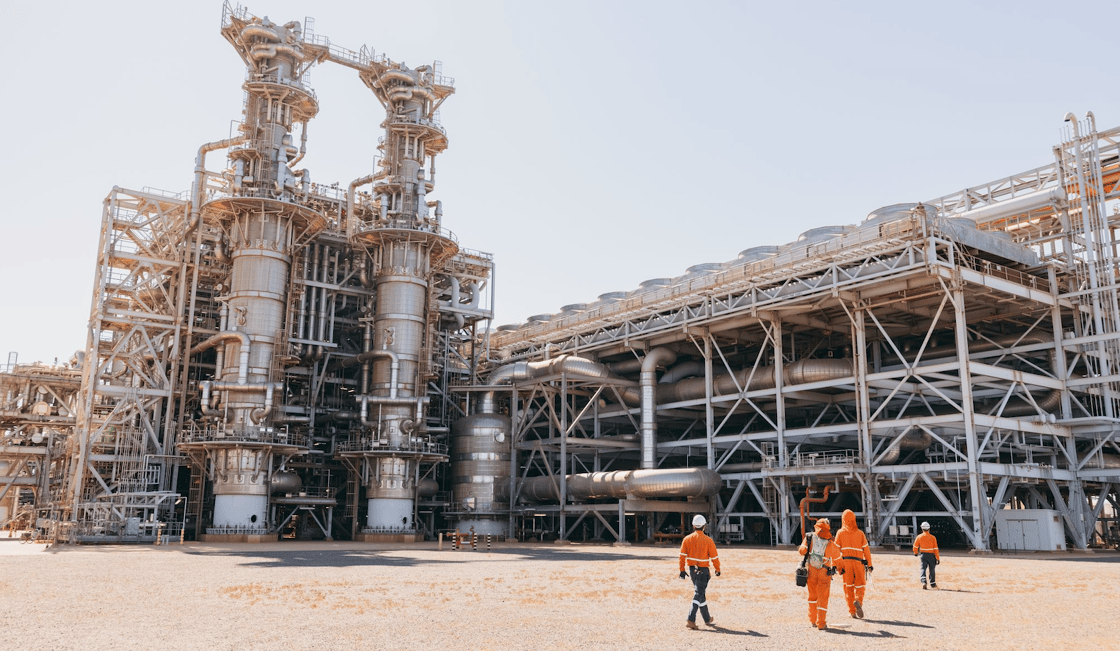
The large-scale carbon capture, utilisation and storage project (CCUS) will reportedly capture CO2 from flue gases generated from cement manufacturing at the Toral de los Vados plant, which produces 1.6 million tonnes of cement annually.
The funding will support the company’s aim to produce carbon-neutral concrete by 2050. To reach this goal, Votorantim is limiting net emissions to 475kg of CO2 per tonne of cement-based product by 2030.
Under the European Union-backed Strategic Projects for Economic Recovery and Transformation (PERTE) industrial decarbonisation initiative, the Spanish government has awarded a total of €319m ($363m) to Votorantim and Cemex Espana, the Spanish branch of global construction firm Cemex.
The PERTE industrial decarbonisation initiative represents a public investment of €3.17bn ($3.61bn) and is expected to reduce CO2 emissions by 13 million tonnes annually.
Hydrogen for cement production
Mexican cement manufacturer Cemex has also been awarded €200m ($228m) for the deployment of alternative fuels at its Alcanar cement plant in Tarragona, Catalonia.
Separately, the company is participating in the HYIELD consortium, under which Spanish climate technology company WtEnergy is developing a waste-to-hydrogen demonstration project at the Alcanar plant.
The project has secured €10m ($11.4m) in funding from the European Union’s Horizon Europe programme.
Cement is the key binding agent in concrete production. The cement sector is responsible for around 7% of CO2 emissions globally, and approximately 4% in the EU, according to the European Commission.