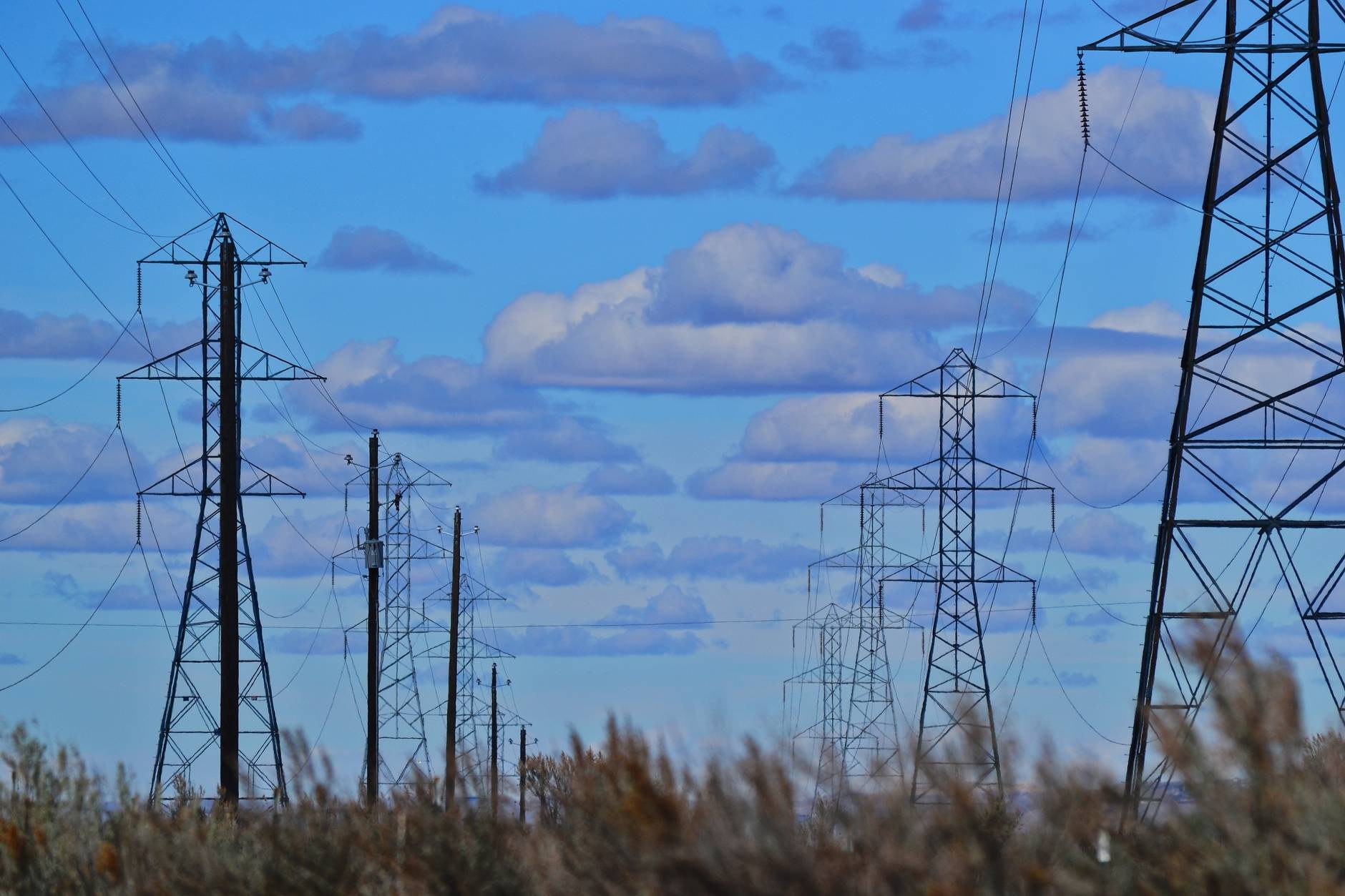
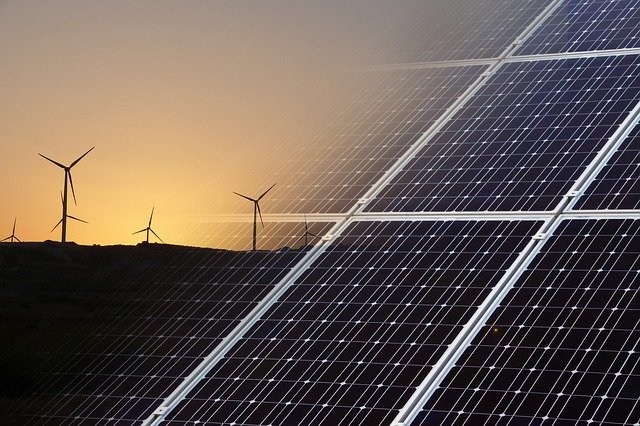
Thailand has set an ambitious target to generate 50% of its electricity from renewable sources by 2037 under the newly drafted Power Development Plan 2024 (PDP2024). However, achieving this goal will depend heavily on the ASEAN Power Grid (APG), a regional initiative designed to interconnect electricity infrastructures across ASEAN member states.
First proposed in 1997, the ASEAN Power Grid has faced significant financial, technical, and political challenges, slowing its progress. In recent years, however, momentum has increased as regional governments recognize its potential to enhance energy security and optimize resource use.
The initiative is structured into three sub-regions—northern, southern, and eastern—with most cross-border electricity trade currently concentrated in the northern region, involving Laos, Thailand, and Vietnam. The ASEAN Interconnection Masterplan Study (AIMS III), endorsed in 2021, outlines plans for a fully integrated regional grid by 2045.
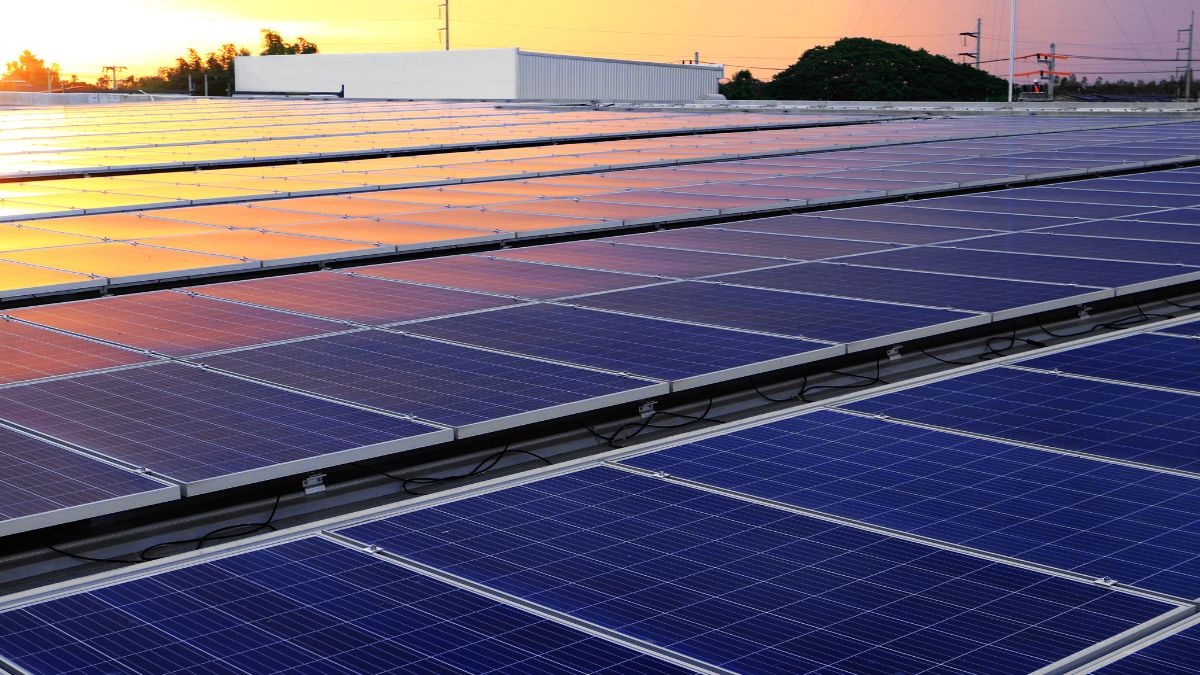
A key advantage of an interconnected grid is its ability to balance intermittent renewable energy sources. By pooling power generation across multiple countries, the system can mitigate supply fluctuations. For example, during periods of low solar output in Thailand, the grid could facilitate imports of wind power from Indonesia or hydropower from Laos, reducing reliance on fossil fuel-based backup generation.
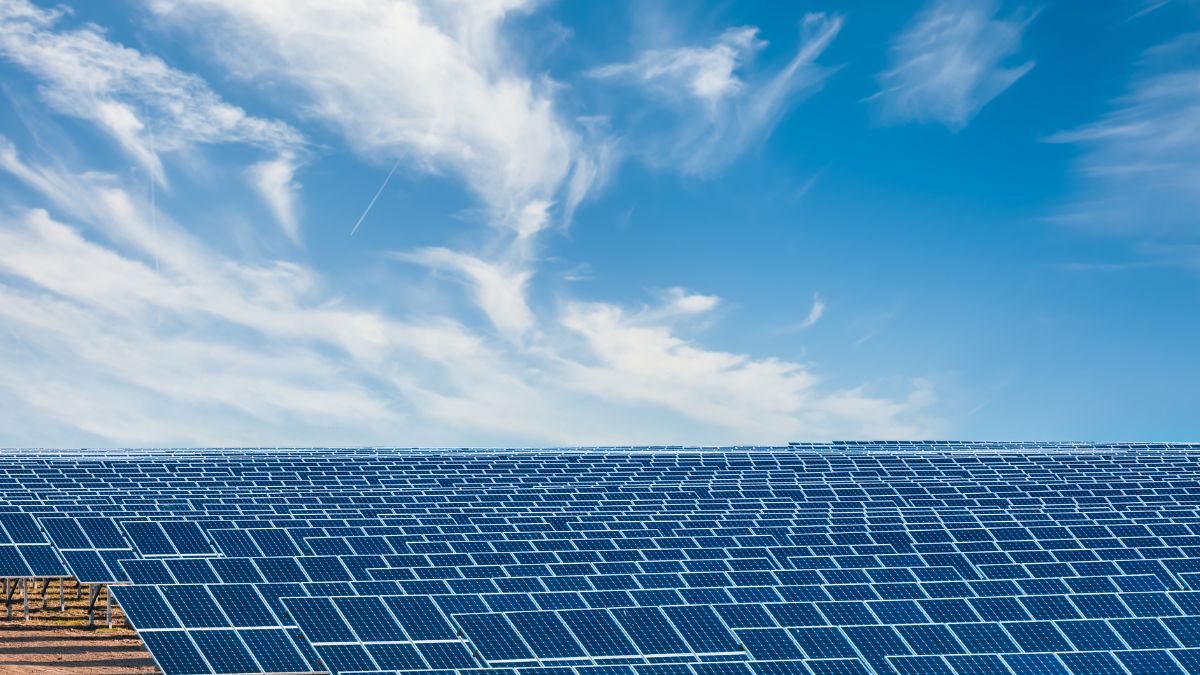
The economic benefits of regional energy integration are also substantial. Thailand, which is heavily reliant on gas-fired power plants, could export surplus solar power to neighboring countries such as Malaysia and import electricity as needed. The growing electricity demand from ASEAN’s expanding network of data centers further strengthens the case for regional grid development, with Thailand positioning itself as a potential hub for clean energy investment.
One example of successful regional integration is the Lao PDR-Thailand-Malaysia-Singapore Power Integration Project (LTMS-PIP). Operational since 2022, the project initially facilitated the export of 100 MW of renewable electricity from Laos to Singapore via Thailand and Malaysia, with capacity later doubling to 200 MW. The initiative has been credited with establishing clear governance structures, regulatory frameworks, and political coordination to facilitate cross-border electricity trade.
Despite these developments, Thailand’s participation in LTMS-PIP has remained limited, primarily serving as a transit country while collecting wheeling charges of approximately 3.1585 US cents per kWh. While the country has significant renewable energy potential, its regulatory framework, which grants the Electricity Generating Authority of Thailand (Egat) exclusive control over the national grid, remains a key barrier to greater participation in regional electricity trade.
Challenges also exist regarding the environmental impact of large-scale hydropower projects. Some energy analysts warn that hydropower developments in tropical regions may produce greenhouse gas emissions comparable to those of natural gas plants. Additionally, climate change-related droughts could impact hydropower reliability.
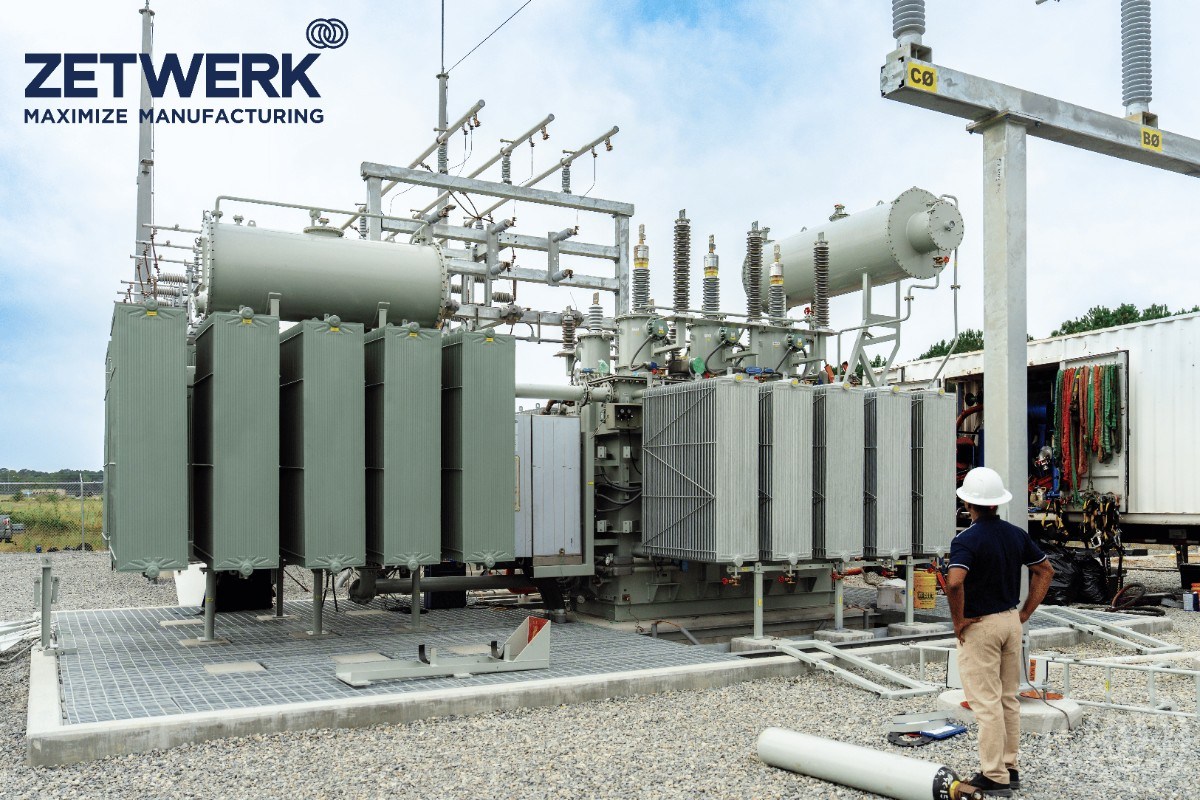
Financial and regulatory complexities present further obstacles. Cross-border transmission projects require significant investment, and differing regulatory frameworks across ASEAN nations complicate approvals and financing arrangements. Analysts suggest that ASEAN could draw lessons from the European Union’s Projects of Common Interest framework, which has facilitated regional energy collaboration through multilateral financing mechanisms.
As Thailand seeks to expand its renewable energy sector, questions remain about its role within the ASEAN Power Grid. Industry observers argue that regulatory reforms, such as opening third-party access to the grid, could enable the country to move beyond its current role as a transit state and become a leading exporter of renewable electricity.
With regional energy integration gaining momentum, Thailand’s next steps will be crucial in shaping its renewable energy future and its position within ASEAN’s evolving energy landscape.