

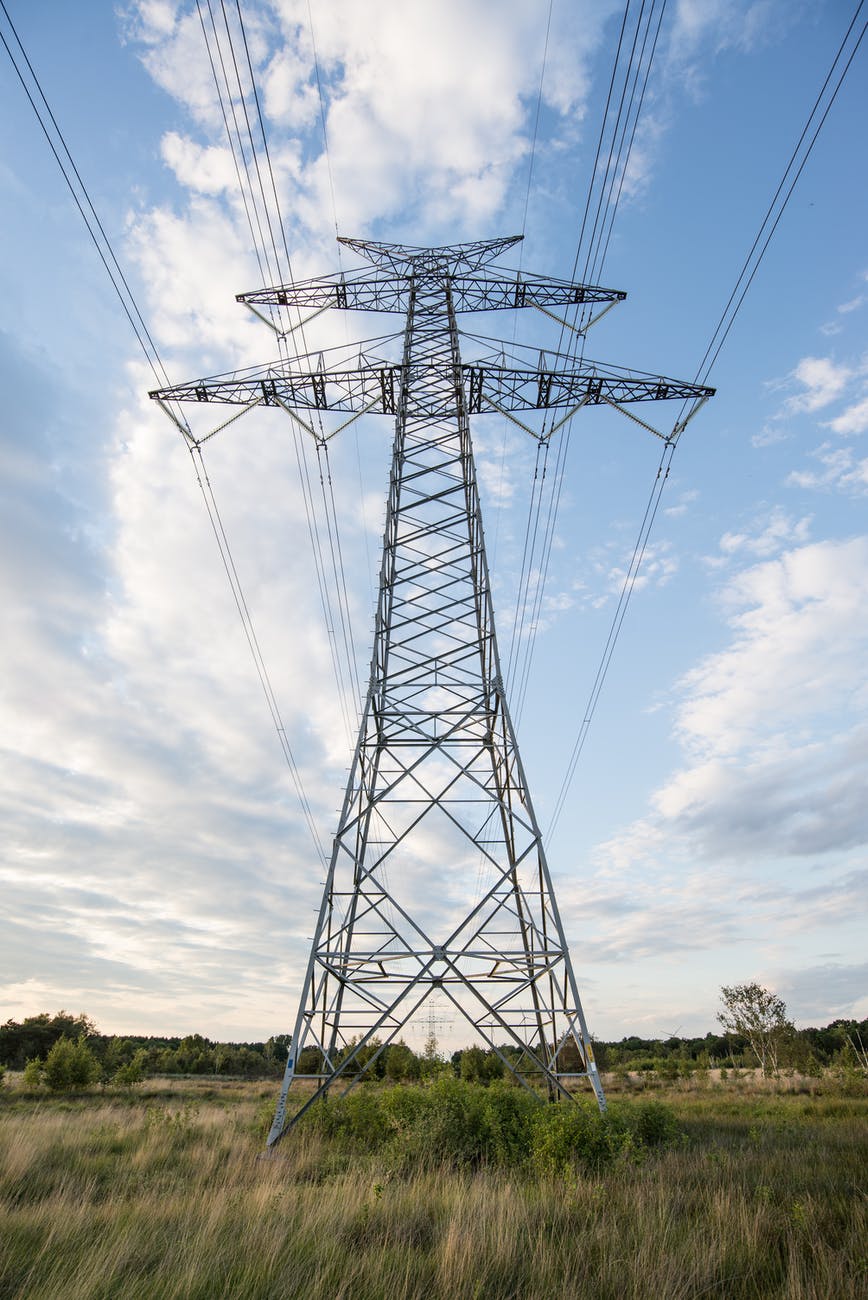
The Tamil Nadu Electricity Regulatory Commission (TNERC) has approved and ratified a tender floated by the Tamil Nadu Power Distribution Corporation Ltd. (TNPDCL) for the medium-term procurement of 1,000 MW of Round the Clock (RTC) power for a period of five years. The decision follows a Miscellaneous Petition filed by TNPDCL to seek approval and ratification for the tender, which had been floated on November 11, 2025, citing urgency due to rising electricity demand in the state.
The need for additional power procurement arises from a steadily increasing electricity demand in Tamil Nadu, driven by factors such as economic growth, industrialization, population growth, rising temperatures, agricultural requirements, and the growing adoption of electric vehicles. The state’s peak demand has grown significantly, reaching an all-time high of 20,830 MW on May 2, 2024, surpassing the Central Electricity Authority’s (CEA) projection of 19,413 MW for the fiscal year 2024-25. The CEA’s Resource Adequacy (RA) study further projects Tamil Nadu’s peak demand to rise to 35,507 MW by FY 2034-35, with total energy requirements estimated at 249,580 million units (MU).
The study also highlights that Tamil Nadu is likely to experience energy deficits throughout the projected period, with total unserved energy potentially reaching around 45,587 MU by FY 2034-35. The shortfall is expected to be highest during non-solar hours, particularly from October to April. TNPDCL’s own assessment indicates a median shortfall of 4,858 MW in FY 2026-27, rising to 6,997 MW by FY 2029-30.
While daytime electricity demand is partially met by solar and other renewable energy sources, evening peak and night-time demand depend heavily on thermal and hydro generation since solar power availability is negligible during these hours. The intermittent nature of renewable energy makes it unreliable for meeting peak demand, forcing TNPDCL to procure power from exchanges at high rates, often between ₹8 to ₹10 per kWh during peak hours.
The medium-term procurement will follow the Finance, Own and Operate (FOO) guidelines and focus on firm power from generators located within Tamil Nadu. This approach is intended to overcome corridor constraints, enhance grid stability, and reduce transmission losses and costs associated with Inter-State Transmission System purchases. According to TNERC’s Resource Adequacy Regulations, 2025, at least 20 percent of the Resource Adequacy Requirement should be met through medium-term contracts. The additional 1,000 MW procurement is expected to supply approximately 11,169 MU annually at an estimated cost of around ₹6,143 crore.
TNERC concluded that the medium-term procurement is a cost-effective and stable alternative compared to volatile short-term market purchases. The procurement aligns with the state’s Resource Adequacy framework, supports the Renewable Purchase Obligation trajectory, and enhances overall energy security. The Commission permitted the procurement, ratified the tender, approved the proposed deviations in the Standard Bidding Documents, and directed TNPDCL to file a separate petition for the adoption of the tariff determined through competitive bidding.
Subscribe to get the latest posts sent to your email.









)
