By
38 min ago 2 min read
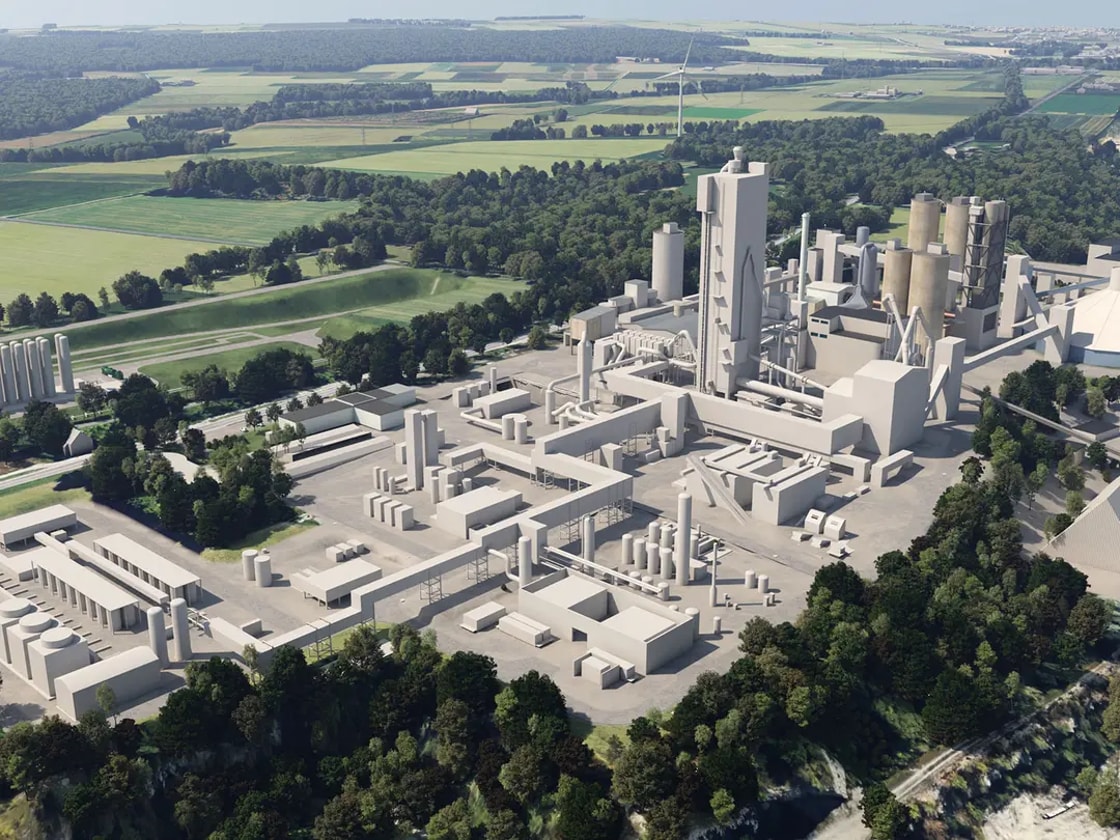
Topsoe and Sasol will provide the sustainable aviation fuel (SAF) and synthetic SAF (e-SAF) production platforms for Allied Biofuels’ (ABF) planned $6.1bn green hydrogen-based e-fuels project in Uzbekistan.
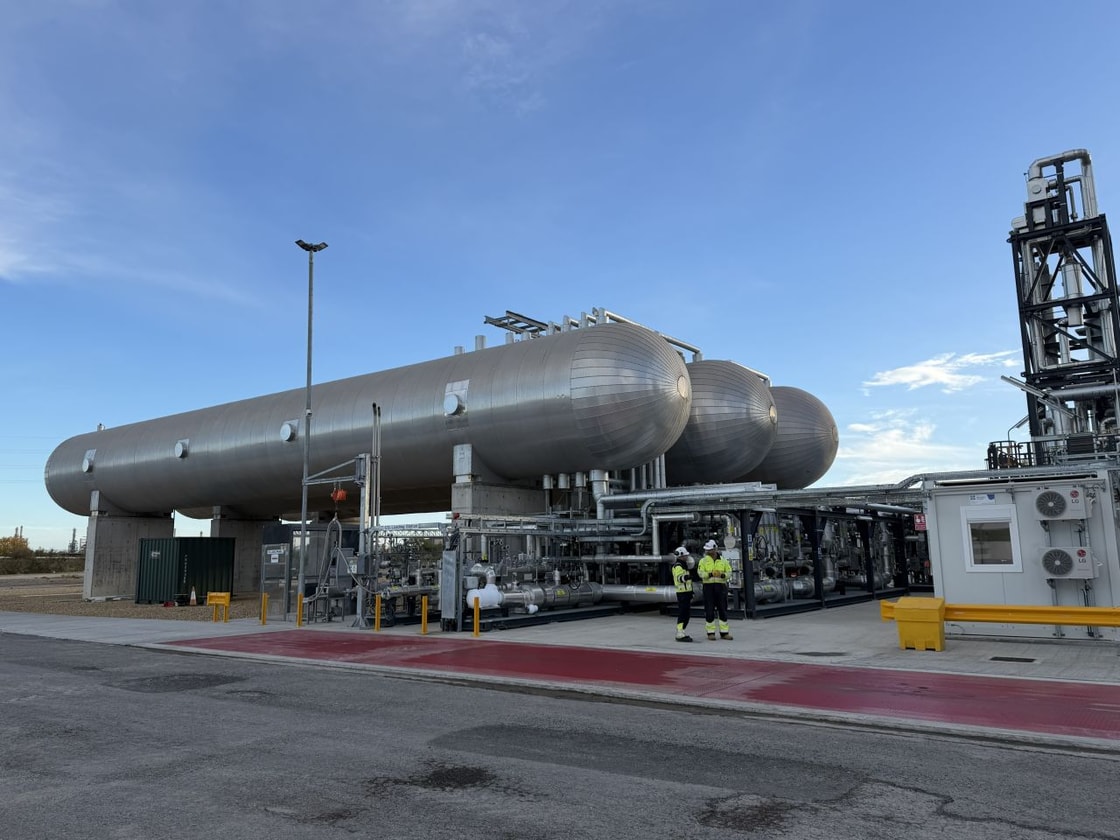
Under a new licensing and engineering agreement, Topsoe’s SynCor autothermal reforming (ATR) technology and the pair’s joint G2L process will be used to produce around 300,000 tonnes of SAF and eSAF annually.
SynCor generates hydrogen-rich syngas, which is processed through G2L technology to produce SAF and eSAF from renewable feedstocks, including biomass, captured carbon dioxide, and green hydrogen.
Located in the Khorezm region, the facility targets an output of 417,000 tonnes-per-year of the fuels using 4.45GW of renewables and 2.4GW of Plug Power electrolysers.
H2 View reached out to Topsoe for clarification surrounding 117,000 tonnes of production capacity, which remains unaccounted for by the licensing and engineering agreement.
The agreement follows the Chinese state-owned conglomerate Sinopec’s recent commissioning for (FEED) at the plant, and the UAE’s and ’ exploration of offtake from the plant from 2030.
While abundant low-cost renewable energy resources and vast land availability bolster the on-paper feasibility for projects in the region, its landlocked geography, limited infrastructure, weak policy support, and distance from key demand centres represent potential bottlenecks.
However, in April, the Uzbek government granted it a project implementation agreement through a , giving it special economic zone treatment, carrying tax exemptions and incentive frameworks.
If developed, it would mark a huge step for a country with just 20MW of installed electrolyser capacity – built by Chinese engineering firm PowerChina.
Gain access to the insights, data, and analysis trusted by hydrogen professionals worldwide.
With a H2 View subscription, you get:
- Unlimited access to 15,000+ articles
- Monthly digital magazine + H2 Review
- Exclusive interviews, webinars and reports
- Expert analysis shaping the hydrogen conversation