By
34 min ago 4 min read
US Senators are calling for an investigation into tax credits reportedly awarded to liquefied natural gas (LNG) exporters.
The probe would examine the Internal Revenue Service’s (IRS) treatment of the credit, which was authorised in 2006 and expired on 31 December 2024.
Oregon’s US Senator Jeff Merkley, backed by Senate Democratic Leader Chuck Schumer and US Senators Chris Van Hollen, Edward J. Markey, and Sheldon Whitehouse, argued that the provision of the AFET credit to LNG exporters favours fossil fuel companies and provides little environmental benefit.
By providing a credit of 50 cents for every gallon equivalent of a nonliquid alternative fuel sold for use in a motorboat, the AFET was designed to subsidise the use of alternative fuels and reduce domestic oil dependence.
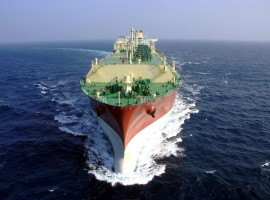
The tax code does not define “motorboats”. However, the Senators said federal shipping regulations have defined motorboats as ships no more than 65 feet long for over 60 years, while standard LNG vessels are roughly 1,000 feet long.
Qualification for the AFET credit
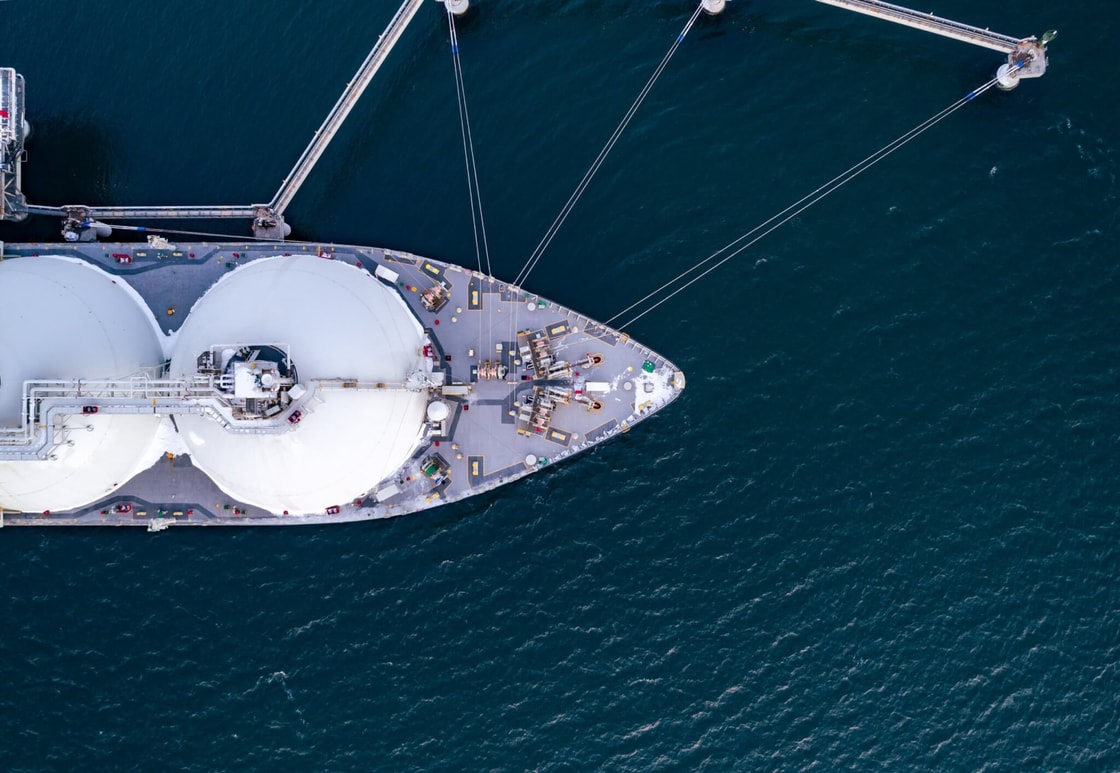
Many LNG tankers are designed to operate by burning boil-off gas from their cargo. LNG in tankers continuously evaporates, requiring the gas to be removed, or “boiled-off”, to maintain safe tank pressure.
In newer LNG tankers, the boiled-off gas can be used for propulsion, otherwise, it can be vented into the atmosphere or reliquefied back into LNG.
The Senators said reports and public financial filings suggest the IRS has allowed taxpayers to claim AFET credits for LNG used to propel LNG tankers.
Criticism of AFET credits being issued to LNG exporters centres on claims that they subsidise fuel use that would have occurred regardless, rather than incentivising a transition to alternative fuels.
The treatment of LNG tankers as “motorboats” for the purposes of the credit has also come under scrutiny.
In a letter to the TIGTA, the Senators said, “We request TIGTA investigate whether the IRS has made a determination that fuel used on LNG tankers is eligible for the AFET credit, and, if so, how the IRS made this determination and what guidance, if any, was provided to taxpayers.”
Cheniere Energy
This follows an April 2026 probe launched by US Senator Merkley, Senate Democratic Leader Schumer, and US Senators Elizabeth Warren, Markey, Whitehouse, Peter Welch, and Van Hollen into the IRS’s handling of tax subsidies for LNG exporters.
The Senators called for answers following reports that US LNG specialist Cheniere Energy received a $370m tax break from the IRS for using LNG as an alternative fuel.
Cheniere Energy is believed to be the largest LNG exporter in the US. In 2025, the company reported having supplied over 330 million tonnes of LNG since 2016, representing over 55% of all US LNG exports and around 9% of global LNG exports.
In an April 2026 letter to the IRS, the US Senators said, “We write to clarify whether the IRS has determined that companies using LNG for propelling LNG tankers qualify for credits under the AFET.”
“Providing tankers with AFET credits would unnecessarily waste taxpayer money while doing nothing to protect the environment…or lessen the United States’ dependence on oil,” they added.
The AFET credit and the Trump Administration
The US Senators are also calling for the TIGTA to investigate whether any decision to award the credits was intended to reward President Trump’s political donors.
They stated, “We would further urge the TIGTA to investigate the extent to which Secretary Bessent was involved in any decision to make LNG tankers eligible for the AFET, who Secretary Bessent may have discussed this issue with at the IRS, whether Secretary Bessent communicated with any impacted party about LNG tankers being motorboats under the AFET.
“[In addition] to what extent Secretary Bessent or his staff communicated with anyone in the White House, including President Trump, about a request for AFET credits for LNG tankers.”