By
20 hours ago 2 min read
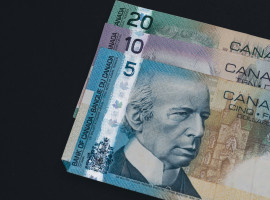
The US and Canada are embroiled in an escalating tariffs row with the US imposing 50% tariffs on roughly $20bn of Canadian goods on Saturday (22 August) – and Canada plans to retaliate with matching dollar-for-dollar tariffs on 8 September.
It marks a dramatic reversal from the de-escalation a year ago, when Canada removed the majority of its retaliatory tariffs in September 2025.
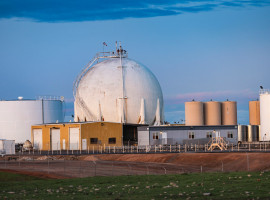
Non-US Mexico Canada (USMCA) compliant industrial gases face a 35% tariff, up from an initial 25%, applied to upstream production (air separation gases), midstream equipment and downstream sectors (packaged gases, cylinders, electronic and healthcare applications). USMCA-compliant goods remain exempt.
The food & beverage sector, and CO2 value chain, are looking vulnerable, while cement and buildings materials and electronics will also have resonance with the industrial gases sector.
The production of soda, sparkling waters and other CO2-infused drinks relies on imported CO2 cylinders, aluminium cans and machinery. US tariffs of up to 50% on aluminium and steel elevate package costs significantly.
CO2 may also be impacted indirectly if associated compressed gases are imported from tariffed countries, increasing procurement costs. Industries that transport, liquefy or use CO2 may experience indirect effects from slower port operations, higher freight costs, or need to source alternative suppliers.
As we heard on last week’s gasworld CO2 webinar, US brewers are currently sourcing supply and .
Prime Minister Mark Carney – who said the “US asked too much and offered too little” – confirmed Canada’s retaliation will target cover steel, dairy, appliances, agricultural equipment, pulp and paper, and electronics. Total US-Canada trade totalled $879.9bn in 2025, according to Global Statistics. The US goods trade deficit with Canada narrowed to $48.3bn in 2025, a 21% improvement on 2024.
The Atlantic Council international affairs think tank said there are major sticking points to resolve – from trucks to sovereignty issues – before Canada’s retaliatory tariffs kick in.
“Without a breakthrough, the risk is a spiralling trade war between two of the world’s most closely integrated economies,” it notes.