U.S. forces struck two empty Iranian-flagged oil tankers in the Gulf of Oman on Friday, escalating pressure on Tehran’s shipping network even as Washington says a potential deal to halt the war could be close.
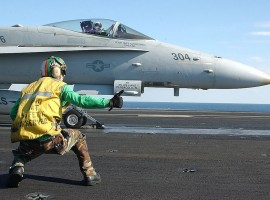
U.S. Central Command said the vessels were attempting to violate the American naval blockade around Iranian ports. According to CENTCOM, fighter aircraft disabled both tankers by firing precision munitions into their smokestacks. A third Iranian-flagged vessel had already been disabled earlier this week.
“All three vessels are no longer transiting to Iran,” Central Command said.
The tankers were reportedly unladen, meaning no oil cargo was lost in the strikes. But the message was clear enough. The U.S. is tightening enforcement around Iranian shipping while simultaneously trying to negotiate an end to the conflict.
Secretary of State Marco Rubio said Friday that Washington expects a response from Iran on a proposed agreement aimed at halting the war and restarting nuclear talks.
“We should know something today,” Rubio said in Rome. “The hope is it’s something that can put us into a serious process in negotiation.”
That diplomacy is unfolding while military exchanges continue around the Strait of Hormuz, which normally handles roughly 20% of global seaborne oil trade. Iran has effectively shut the waterway since the war began in late February, while the U.S. has responded with a naval blockade targeting Iranian exports.
The result has been a severe supply shock that continues to ripple through oil markets, refining systems, and fuel prices worldwide.
Friday’s tanker strikes also show how much the conflict has shifted from symbolic escalation to direct pressure on logistics and trade flows. Iranian exports have already dropped sharply as storage fills and tanker traffic slows. The U.S. now appears focused on making even empty vessels think twice before approaching Iranian ports.
Despite the renewed attacks, oil prices were relatively stable on Friday morning. Traders appear more focused on whether Washington and Tehran can actually land a deal before the shipping situation deteriorates further.
By Julianne Geiger for Oilprice.com
More Top Reads From Oilprice.com
- First Oil Tanker Reaches South Korea Through Hormuz Since War Began
- India’s Inflation Accelerates as High Energy Prices Start to Bite
- Iran Seizes Sanctioned Oil Tanker in Gulf of Oman