By
6 min ago 2 min read
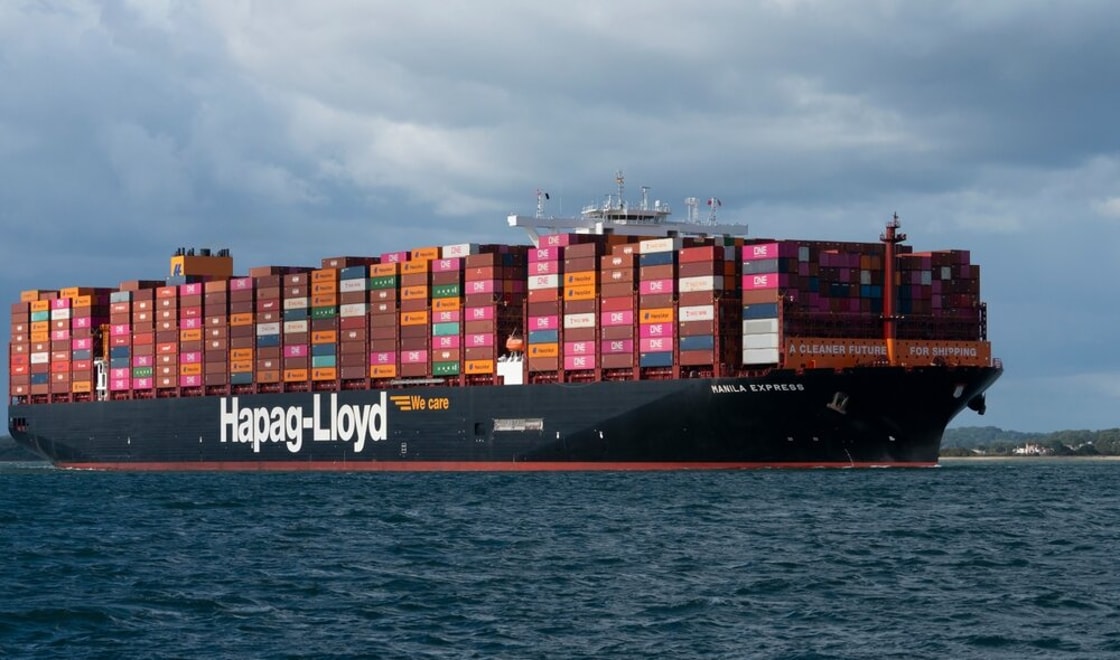
Shipping firm Hapag-Lloyd is exploring biomass-based methanol offtake from a planned $1.4bn facility in Louisiana, US.
The firm signed a letter of intent (LOI) with Southern Energy Renewables, which plans to build a wood waste biomass pathway to produce methanol and sustainable aviation fuels in St Charles Parish.
This would see biomass gasified into hydrogen-rich syngas and then catalytically converted into methanol. Because the carbon within the wood waste came from the atmosphere, regulators and certifiers can classify the fuel as renewable or low-carbon.
Southern has yet to disclose expected methanol output, hydrogen integration volumes, feedstock sourcing strategy, or lifecycle carbon intensity. However, the company expects to begin building the facility in late 2027 and start commercial operations before 2030.
Under the LOI, Hapag-Lloyd will explore a long-term offtake contract from the project, while also looking at co-investing in future facilities.
The shipping major has been investing in its future fleets. Last year, it ordered eight dual-fuel methanol container ships for delivery in 2028 and 2029.
Hapag-Lloyd’s Senior Director for Global Fuel Purchasing, Jan Christensen, said green methanol was a “key pathway” in the firm’s “multi-fuel strategy,” and the Southern LOI was a “valued step” in achieving net zero fleet operations by 2045.
It has already agreed to offtake up to of biogenic and green hydrogen-based methanol per year from Chinese wind turbine firm Goldwind.
Methanol produced from renewable biomass or green hydrogen pathways is viewed as a future low-carbon shipping fuel. However, renewable methanol pathways still face cost challenges linked to feedstock availability, hydrogen requirements, and carbon sourcing.
Shipping firms are under increasing pressure to decarbonise. Ships over 5,000 tonnes now face carbon pricing in EU ports, while the International Maritime Organization hopes to pass a global carbon levy despite delays to the framework.