US Proposes Rules That Could Boost Oil, Gas Output in US West

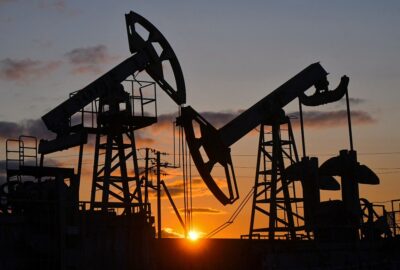
The proposed rule change, which would mostly affect onshore oil and gas drilling in the U.S. West, would ease limits on so-called commingling, which the department said would make operations more efficient.

President Donald Trump’s tax cut law directed the Interior secretary to approve commingling applications.


Get the Latest US Focused Energy News Delivered to You! It’s FREE:


Current U.S. Bureau of Land Management regulations restrict commingling to leases that have identical mineral ownership, royalty rates and revenue distribution. Interior said the requirements create barriers in parts of the West where mineral ownership is complex.29dk2902l

The change would allow oil and gas operators to more accurately track production and calculate the royalties drillers pay to the federal government and to tribes for fossil fuels produced on public and tribal lands, the department said.

“The current rules were written for a different era,” Interior Secretary Doug Burgum said in a statement. “These updates will help us manage public resources more efficiently, support responsible energy production, and make sure taxpayers and tribes get every dollar they’re owed.”

The Western Energy Alliance has pushed for greater access to commingling, saying it is one of the quickest ways to increase production onshore, and that many projects have been held up for years by the Interior’s Bureau of Land Management not approving federal and private oil and gas in consolidated projects.

The United States is already the world’s top oil and gas producer and Trump “energy dominance” policy pushes his administration to reduce regulation on fossil fuels, much of which is meant to slow climate change and pollution.

(Reporting by Timothy Gardner, editing by Deepa Babington)

Share This:


More News Articles
 

  • Related Posts

    Iran War Raises Demand for US Fuel, Boosting Gulf Coast Refining Margins

    (Reuters) – U.S. Gulf Coast refiners are reaping the strongest margins in years as disruptions to Middle Eastern oil flows from the Iran war raise demand for U.S. fuel exports,…

    Oil Rebounds as Fragile Ceasefire, Hormuz Concerns Keep Supply Risks Elevated

    Summary Market struggles to price clear path for Hormuz reopening Shipping traffic through Hormuz at virtual standstill despite ceasefire, data shows Strikes across Gulf raise supply threats despite ceasefire (Reuters)…

    Have You Seen?

    Iran War Raises Demand for US Fuel, Boosting Gulf Coast Refining Margins

    • April 9, 2026
    Iran War Raises Demand for US Fuel, Boosting Gulf Coast Refining Margins

    Goldman: Another Month of Hormuz Closure Means Over $100 Brent Throughout 2026

    • April 9, 2026
    Goldman: Another Month of Hormuz Closure Means Over $100 Brent Throughout 2026

    China Weighs Bailout for Airlines Struggling with Fuel Shock

    • April 9, 2026
    China Weighs Bailout for Airlines Struggling with Fuel Shock

    Traders and Refiners Book Ships to Load Middle East Oil on Hormuz Hope

    • April 9, 2026
    Traders and Refiners Book Ships to Load Middle East Oil on Hormuz Hope

    The hidden but vital role of gases on board Artemis II

    • April 9, 2026
    The hidden but vital role of gases on board Artemis II

    Sora Fuel raises $14.6m to scale SAF production

    • April 9, 2026
    Sora Fuel raises $14.6m to scale SAF production

    Pertamina Power to build biogas to biomethanol plant in Indonesia

    • April 9, 2026
    Pertamina Power to build biogas to biomethanol plant in Indonesia

    US Troops to Stay in Gulf before Talks on Fragile Truce

    • April 9, 2026
    US Troops to Stay in Gulf before Talks on Fragile Truce

    Trump Says US Military to Stay Around Iran; Threatens Action if Tehran Fails to Comply With Deal

    • April 9, 2026
    Trump Says US Military to Stay Around Iran; Threatens Action if Tehran Fails to Comply With Deal

    Oil Rebounds as Fragile Ceasefire, Hormuz Concerns Keep Supply Risks Elevated

    • April 9, 2026
    Oil Rebounds as Fragile Ceasefire, Hormuz Concerns Keep Supply Risks Elevated