(Reuters) – U.S. Senator Ron Wyden has contacted seven maritime shipping companies as part of an inquiry into cartel-linked fuel smuggling between the United States and Mexico, asking the firms to explain their vetting procedures for ensuring their tankers aren’t used to transport illicit hydrocarbons, according to copies of the letters seen by Reuters.
The letters from Wyden, who is the most senior Democratic member of the Senate Finance Committee, were dated Friday. They come as stolen crude and bootleg fuel have become the second-largest revenue source for Mexican cartels after drugs, according to the U.S. Treasury.
Narcos have done it by embedding themselves inside North America’s vast energy sector and mastering the logistics of moving petroleum products by truck, rail and most recently tankers. It’s an audacious display of ingenuity by Mexico’s cartels, which have enlisted a variety of legitimate oil industry players to help them procure and transport the products, some unwittingly, others actively participating, law enforcement sources say.
Get the Latest US Focused Energy News Delivered to You! It’s FREE:
“I want to be sure both shipping companies and the U.S. government are doing everything in their power to shut off this revenue stream,” Wyden, the senior senator from Oregon, told Reuters by email. “These letters are the first step in my effort to learn more about how these criminal networks operate, and where existing controls are failing.”
Wyden’s letters referenced a Reuters investigation which pieced together how the alleged scheme works and how it exploits loopholes in the vast and complex U.S. energy sector, touching a host of entities including oil majors, shipping companies and government agencies.
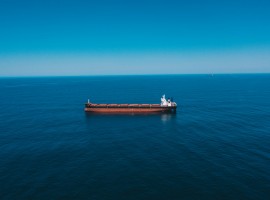
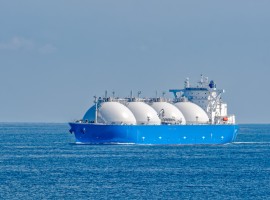
The letters were sent to seven of the biggest players in the global oil tanker business: Torm, International Seaways, Norden, CMB.Tech, Frontline, Teekay and Scorpio. Wyden has requested detailed information by Jan. 10, 2026, about the due diligence each company conducts “to ensure its oil tankers are not utilized to transport illicit fuel,” the letter said.
None of the firms has been charged with wrongdoing.
Torm was the manager of two vessels that were allegedly used for oil smuggling earlier this year, according to the October 22 Reuters investigation, which cited documents and security sources.
CMB.Tech said it practices due diligence, follows know-your-customer standards and complies with all applicable regulations. The Belgium-based company said it would be responding to Wyden’s questions.
Norden confirmed receipt of Wyden’s letter and said its sea carriages are performed in compliance with applicable laws.
The other companies did not immediately respond to requests for comment regarding Wyden’s inquiry.
Mexican cartels have increasingly muscled their way into the multi-billion dollar trade of smuggling fuel from the United States to Mexico, the news agency found.
The scheme largely boils down to a lucrative tax dodge. Mexico slaps a levy known as IEPS on a wide variety of goods, including imported diesel and gasoline. Crooks evade the tax, charged by the liter and often costing upwards of 50% of the cargo’s value, by declaring the foreign fuel to be some other type of petroleum product that’s exempt from the duty. A single tanker load can save millions of dollars in taxes, a Reuters calculation based on the tax rate and volumes typically carried by these vessels showed.
The Jalisco New Generation Cartel, one of Mexico’s most powerful and violent cartels, is the unquestioned leader in fuel and crude oil smuggling and the only cartel using tankers, according to Mexican and U.S. security sources.
Fuel smuggling has grown so fast that bootleg imports now account for as much as one-third of Mexico’s diesel and gasoline market, swiping profits from some of the biggest names in the oil industry, five current and former Mexican government sources told Reuters earlier this year. Illegal fuel entering the country is now valued at more than $20 billion a year, according to one of the people who helped Mexico’s treasury calculate the size of the illicit trade.
“The scope of these illicit fuel smuggling operations is staggering,” Wyden wrote in the letters. “Cracking down on this illicit industry is critical to blunt cartels’ ability to manufacture and distribute fentanyl, cocaine, and other deadly drugs in the United States, and the international shipping industry must play its part to end this lawless practice.”
Share This:
More News Articles