By

- Only Chevron-chartered tankers sailing into international waters
- About 11 million barrels stuck in vessels in Venezuela
- Some cargoes are onboard Washington-sanctioned ships
HOUSTON, Dec 12 (Reuters) – Venezuela’s oil exports have fallen sharply since the United States seized a tanker earlier this week and imposed fresh sanctions on shipping companies and vessels doing business with the Latin American oil producer, according to shipping data, documents and maritime sources.
Get the Latest US Focused Energy News Delivered to You! It’s FREE:
Oil tanker movements into and out of Venezuelan waters have come to a near standstill as the U.S. prepares to seize more vessels. Washington is ratcheting up political and economic pressure on President Nicolas Maduro, who relies on oil export revenue to finance his government.
The U.S. has executed a large-scale military build-up in the southern Caribbean and U.S. President Donald Trump is pushing to oust Maduro. The seizure of the vessel on Wednesday was the first interdiction of an oil cargo or tanker from Venezuela, which has been under U.S. sanctions since 2019.
Since then, only tankers chartered by U.S. oil major Chevron (CVX.N) have sailed into international waters carrying Venezuelan crude, the data and documents showed.
Chevron has a U.S. government authorization to operate through joint ventures with state-run oil company PDVSA in the country and export its oil to the U.S.
Chevron has exported two cargoes of Venezuelan heavy crudes to the U.S. so far this month, both of which departed after the seizure. Two more were loading on Friday, according to the data.
The U.S. company said this week it was operating in Venezuela “without disruption and in full compliance with laws and regulations applicable.”
PDVSA did not reply to a request for comment. Venezuela this week criticized the seizure and said it constituted “theft.”
STUCK IN VENEZUELAN WATERS
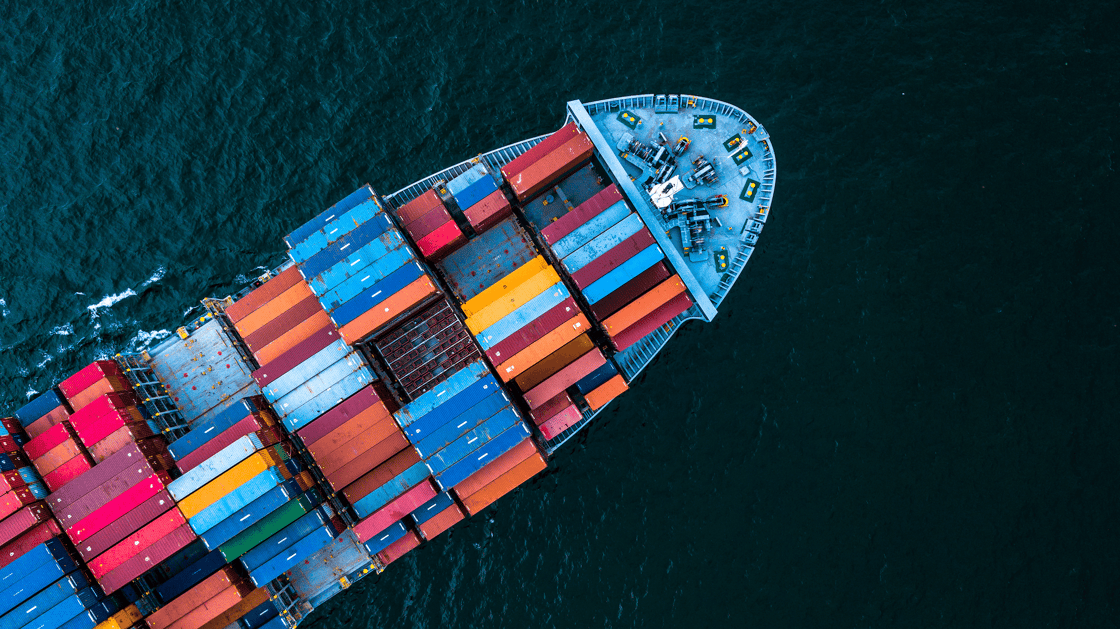
The threat of further seizures of vessels has left tankers that have loaded about 11 million barrels of oil and fuel stuck in Venezuelan waters, according to the sources and data.
Some of those tankers have been hit by U.S. sanctions on Iran or Russia. The U.S. is likely to target vessels that are sanctioned or have carried sanctioned crude in any further action, according to sources. The ship the U.S. seized on Wednesday, the Skipper, had transported both Iranian and Venezuelan crude.
Venezuela exported some 952,000 barrels per day of crude and fuel in November, the third-highest monthly average so far this year. About 80% of those shipments were sent directly and indirectly to China, while exports to the U.S. rose to some 150,000 bpd.
The OPEC country’s oil exports flowed normally in the first days of December prior to the seizure, data and documents showed.
Washington this week also sanctioned six supertankers that recently loaded Venezuelan oil, along with related shipping companies, in an escalation of U.S. pressure on Maduro.
PDVSA and Venezuela’s oil ministry on Friday called executives, workers and joint venture managers to a teleconference led by minister Delcy Rodriguez from the company’s Caracas headquarters, according to a document seen by Reuters.
Reporting by Marianna Parraga; Editing by Simon Webb, Franklin Paul and Bill Berkrot
Share This:
More News Articles