Canon Vietnam Co., Ltd., one of the country’s leading Japanese FDI enterprises, has significantly enhanced its energy efficiency over the past five years, with a strong focus on solar power and intelligent energy systems. The company reported an 11% reduction in total electricity consumption—from 85,845 MWh in 2019 to 76,054 MWh in 2023—equating to an annual cut of nearly 600 tons of CO₂ emissions.
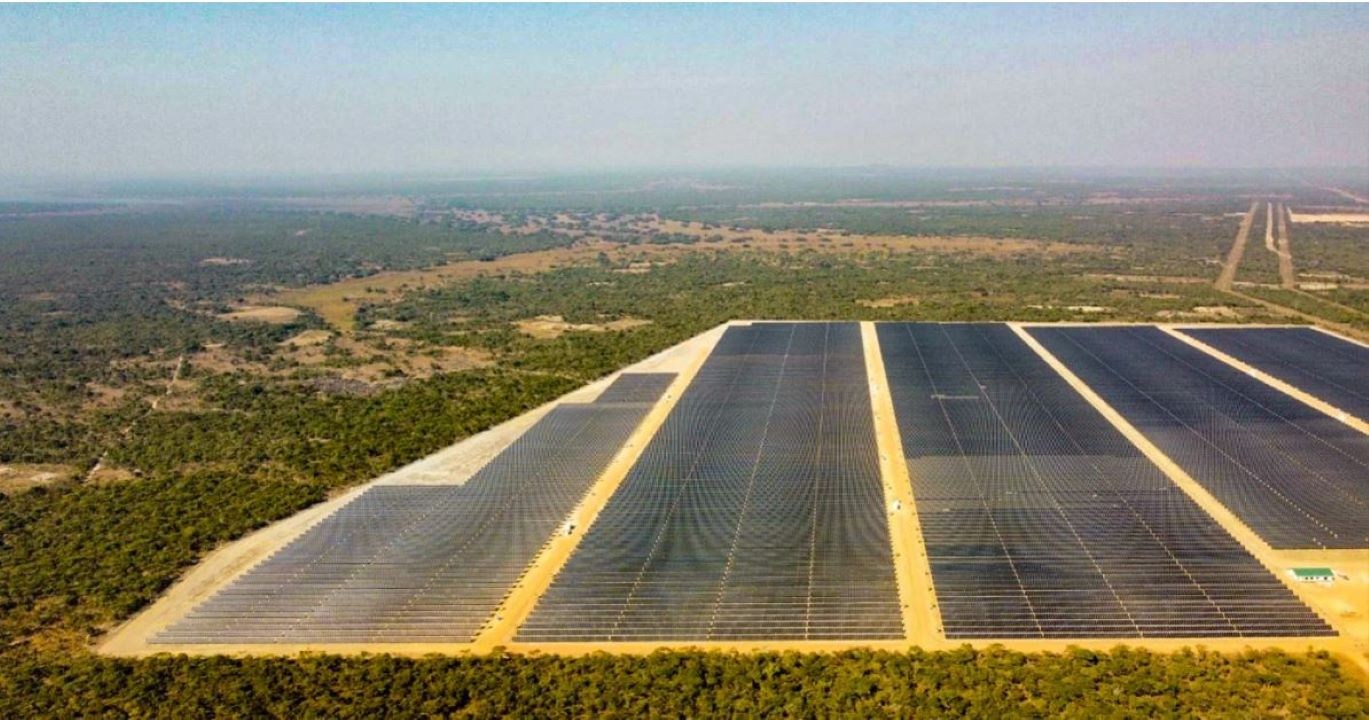
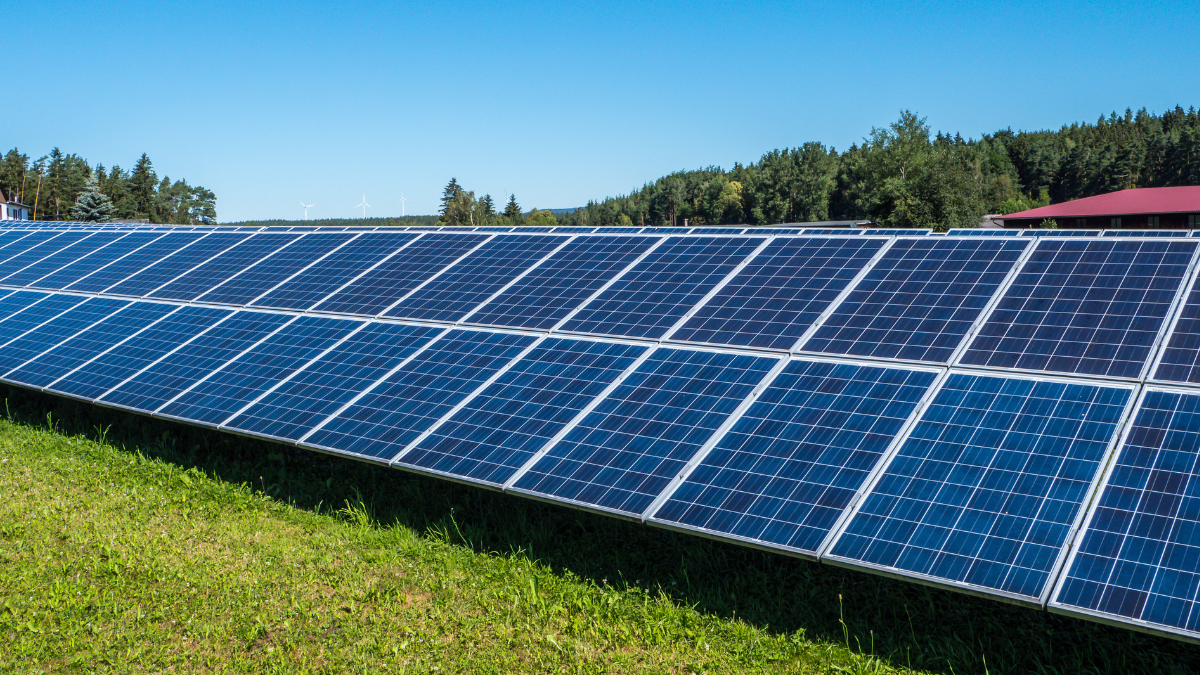
At the core of Canon Vietnam’s sustainability drive is the integration of rooftop solar energy, energy-efficient manufacturing systems, and smart building technologies. In collaboration with Thang Long Industrial Park Infrastructure Co., Ltd., the company installed rooftop solar panels at its Hanoi-based Thang Long factory. Today, solar power accounts for approximately 16% of the facility’s total electricity consumption, significantly lowering reliance on grid-based energy.
Established in 2001, Canon Vietnam operates three manufacturing plants across Hanoi and Bac Ninh provinces, employing over 22,000 people. The company’s fully export-oriented production of “Made in Vietnam” printers places a premium on green manufacturing, lean operations, and technological innovation.
Speaking on the company’s environmental vision, Mr. Yohei Seiki, Senior Deputy Director of the Administration Management Division, stated:
“Efficient, sustainable energy use is a top priority for Canon Vietnam. Our energy policy prioritizes proactive control, greenhouse gas reduction, and resource efficiency—cornerstones of our lean manufacturing strategy.”
Canon Vietnam has adopted smart Building Management Systems (BMS) linked directly to mobile devices to track energy use in real time. This IoT-enabled system provides alerts for equipment malfunctions or inefficiencies, allowing for immediate corrective action. In 2022, the system was further upgraded to detect issues such as air leaks and energy waste, supported by solutions like automatic timers and air-valve interlocks.
The company’s transition to smart energy management aligns with its goal of obtaining ISO 50001 certification by January 2026, underscoring its commitment to globally recognized energy efficiency standards.
Energy consumption per production unit has also seen marked improvement. Between 2019 and 2023, the energy used per thousand products fell by 14.4%, from 0.124 MWh to 0.106 MWh. This was achieved through:
- Annual replacement of high-energy equipment (e.g., chillers, air conditioners, AHUs)
- Installation of motorized air dampers and temperature-controlled systems to reduce HVAC load
- Shift to 95% LED lighting across all factory floors
- Deployment of ice storage tanks to minimize peak-hour chiller operation
- Reuse of excess energy in winter via temperature control systems for plastic molding machines (Kanetsu)
Additionally, idle machinery was fitted with sensors and power-saving modes, significantly reducing unnecessary electricity usage. Plastic molding and welding machine heating units were also insulated with improved materials to minimize thermal loss.
Canon Vietnam’s Energy Management Board, led by the General Director, plays a pivotal role in developing regulations, driving cross-departmental initiatives, and expanding the impact of energy-saving projects. The board conducts monthly evaluations, while awareness campaigns across the company ensure that energy-saving behavior becomes embedded in daily operations.
The firm has also invested in training, producing five certified Energy Managers, and continues to raise awareness through employee engagement tools such as workshops, internal media, and onboarding programs.
For its continued commitment to industrial energy efficiency, Canon Vietnam was recently honored with the Second Prize in the 2024 Industrial Energy Efficiency Awards—organized by the Ministry of Industry and Trade and the Vietnam Energy Conservation and Energy Efficiency Association (VECEA).
As Vietnam continues its transition to a greener economy, Canon Vietnam stands out as a model for how large-scale manufacturing can integrate solar power, digital energy management, and operational efficiency to achieve both economic and environmental gains.