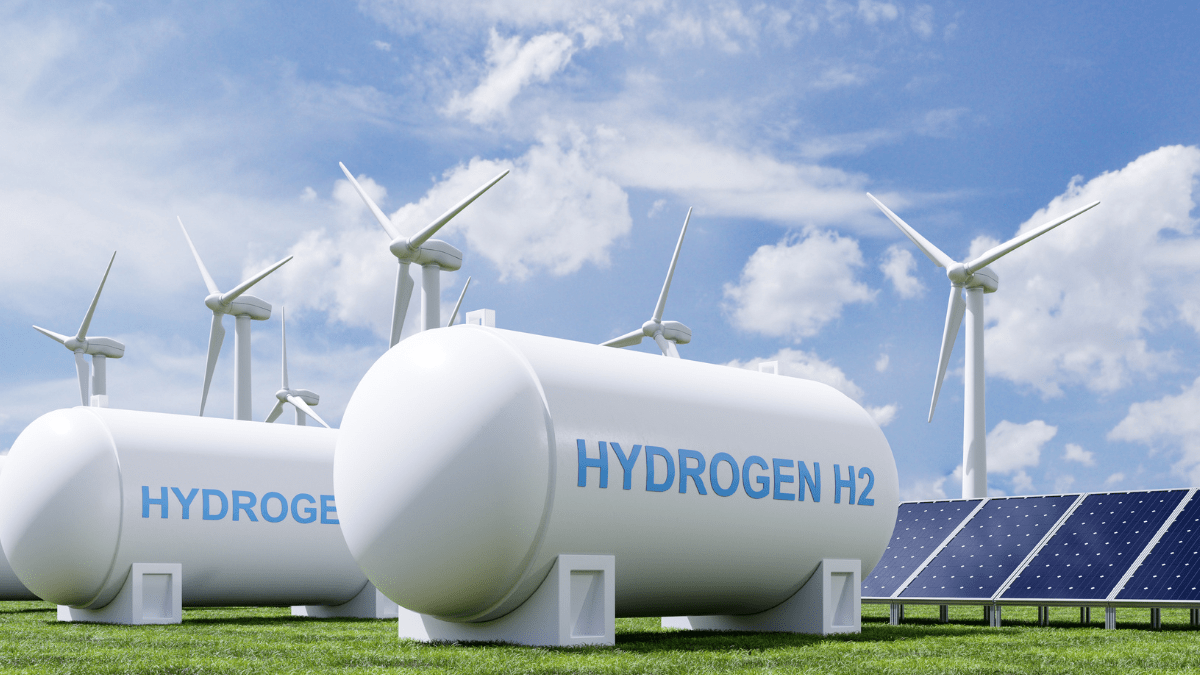
Vietnam has set an ambitious goal of producing between 100,000 and 500,000 tonnes of green hydrogen annually by 2030, with a long-term target of 10 to 20 million tonnes per year by 2050. The strategy, launched in February 2024, aligns with the country’s broader net-zero emissions goal and aims to position Vietnam as a key player in the global hydrogen market.
Despite government recognition of hydrogen energy’s potential, experts have noted that adoption in Vietnam remains limited due to infrastructure constraints, unclear investment guidelines, and high production costs.
According to the Ministry of Industry and Trade (MoIT), Vietnam’s domestic hydrogen demand is primarily concentrated in fertiliser production, which accounts for approximately 316,000 tonnes per year. Additionally, the Dung Quat oil refinery consumes 39,000 tonnes, while the Nghi Son oil refinery and petrochemical complex require 139,000 tonnes annually.
Steel manufacturing and float glass production also utilize small amounts of hydrogen, but limited demand has hindered the development of a comprehensive hydrogen storage, transportation, and distribution system. The MoIT further noted that Vietnam has not yet begun exporting hydrogen energy.
Experts have identified several obstacles to the expansion of hydrogen energy in Vietnam, including a lack of clear investment policies, inadequate infrastructure, and regulatory gaps.
Le Ngoc Anh Minh, President of the Vietnam ASEAN Hydrogen Club, highlighted financial viability concerns, noting that hydrogen projects relying on electrolysis and renewable energy are currently cost-prohibitive. Minh also pointed out that similar challenges have led to delays or cancellations of major hydrogen projects in Europe and Australia.
The Vietnam Petroleum Institute (VPI) reported that the cost of producing clean hydrogen (blue and green hydrogen) in Vietnam remains 1.3 to 2.1 times higher than that of grey hydrogen. The institute emphasized the need for government policies to improve cost competitiveness and drive sector growth.
Minh suggested that industries such as oil and gas, mining, and chemicals should be involved in hydrogen production to leverage their existing expertise. He also stressed the importance of international partnerships, citing collaboration with China as a potential means to reduce production costs. He further emphasized that engagement with the EU, the US, and other hydrogen technology leaders could enhance Vietnam’s position in the global hydrogen market.
Vietnam’s Hydrogen Energy Strategy to 2030, approved by the Prime Minister, aims to develop both blue hydrogen (produced from natural gas with carbon capture) and green hydrogen (generated from renewable sources) for domestic use and export markets.
As part of its National Power Development Plan (PDP8), Vietnam plans to pilot hydrogen and ammonia cofiring in power generation. The MoIT has identified several ongoing green hydrogen production projects in Tra Vinh, Ben Tre, Bac Lieu, and Tien Giang.
Additionally, domestic and foreign investors are collaborating with local authorities to explore further hydrogen production projects in Binh Dinh, Long An, Ninh Thuan, Quang Binh, Quang Tri, Soc Trang, and Ho Chi Minh City.
With its strategic roadmap in place, Vietnam aims to overcome existing challenges and establish itself as a leader in clean hydrogen production, aligning with global efforts to transition toward sustainable energy solutions.