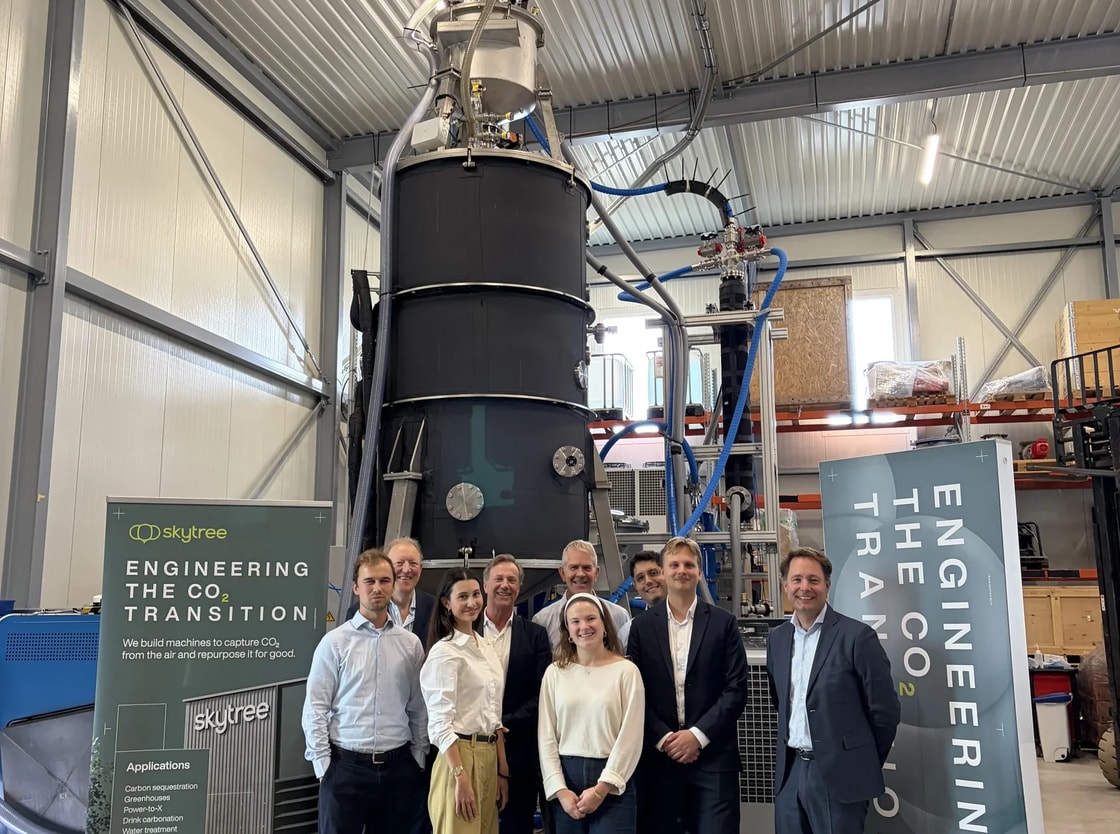
Quantum computing is rapidly emerging as a transformative technology, but its expansion may significantly increase future electricity and resource consumption. As advanced computing infrastructure scales globally, energy-intensive cooling systems, specialized materials, and high-performance data facilities could create new sustainability challenges. Industry experts are now evaluating how renewable energy integration and efficient infrastructure planning can support this next generation of computational growth while minimizing environmental impact.
Solis is expanding beyond traditional solar solutions with a strong focus on integrated energy storage technologies at SNEC 2026. The company unveiled a comprehensive portfolio covering residential, commercial, and utility-scale storage applications. With growing global demand for hybrid renewable systems and grid flexibility, Solis aims to position itself as a complete energy solutions provider capable of supporting smarter and more resilient clean energy ecosystems.
Arcis has introduced a nano-engineered phase change material (PCM) designed to improve thermal storage efficiency for concentrated solar power and industrial heat recovery applications. The innovation enhances heat retention and energy transfer capabilities, enabling more stable and efficient thermal management. As industries increasingly seek decarbonized heating solutions, advanced PCM technologies could play a critical role in maximizing renewable heat utilization and improving overall energy efficiency.
ETI’s PPC solution is designed to optimize the operation of hybrid renewable power plants by intelligently managing solar, wind, storage, and grid interactions. The advanced controller improves system stability, energy dispatch, and operational efficiency while enabling better compliance with grid requirements. As hybrid power projects gain momentum globally, intelligent automation platforms like ETI PPC are becoming increasingly essential for reliable renewable energy integration.
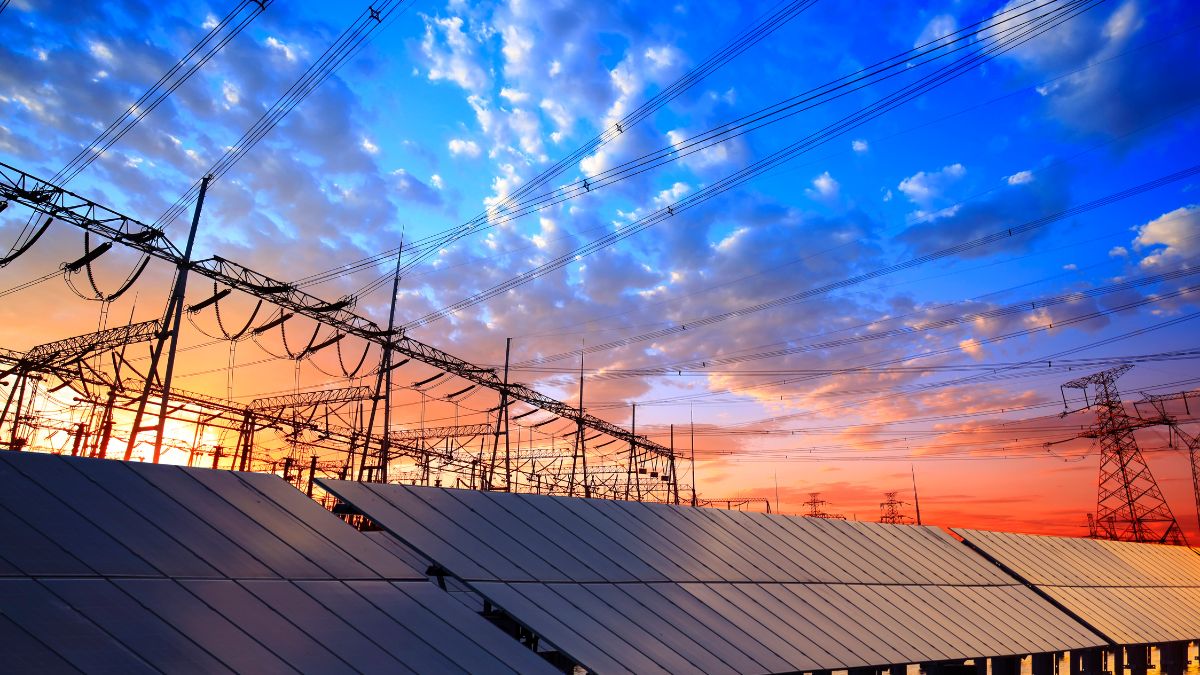
As solar installations continue expanding rapidly, efficient power evacuation infrastructure is becoming a critical priority. Modern transmission systems combined with smart grid technologies are helping address challenges related to congestion, intermittency, and long-distance power transfer. The article highlights how digital monitoring, advanced conductors, and intelligent grid management solutions are enabling more reliable renewable energy integration while strengthening overall grid resilience.
Saatvik Green Energy has marked several major FY26 milestones, reinforcing its position as a rapidly growing integrated renewable energy company. The company continues expanding across manufacturing, project execution, and clean energy infrastructure development. With increasing investments in domestic renewable capabilities and supply chain integration, Saatvik’s growth strategy reflects the broader industry trend toward vertically integrated clean energy ecosystems.
GoodWe has powered a solar energy project for an IT training centre located in Nairobi’s Mathare settlement, helping improve access to reliable electricity for educational development. The initiative demonstrates how decentralized renewable energy can support social impact projects in underserved communities. By enabling uninterrupted digital learning and skill development, solar technology continues to play a meaningful role in expanding inclusive access to education and opportunity.
Subscribe to get the latest posts sent to your email.