By
8 min ago 3 min read
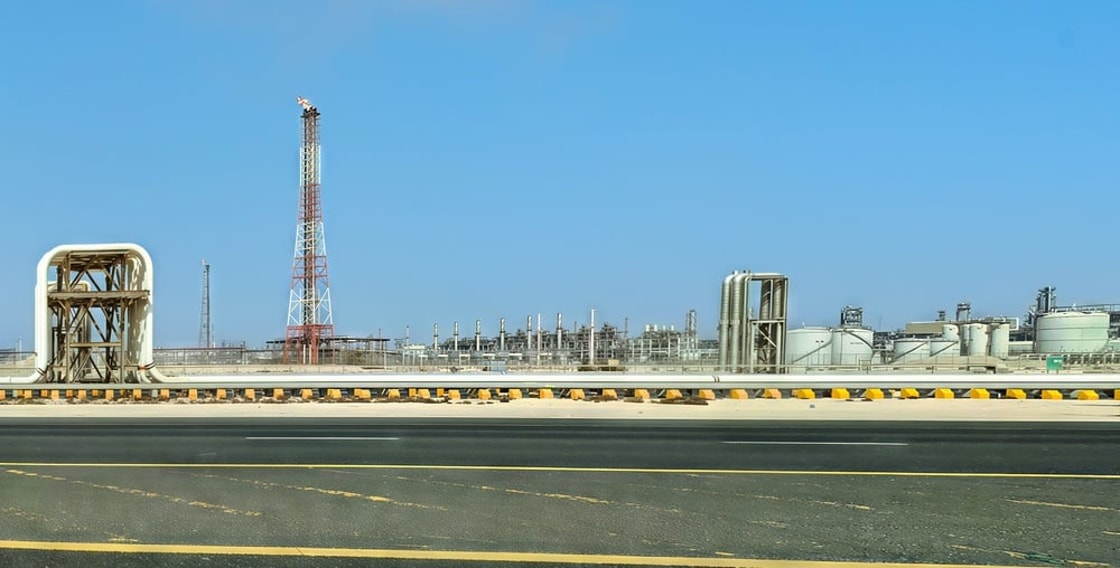
Train 5 at Qatar’s Ras Laffan plant has gone offline, according to Energy Aspects and Kayrros LNG intelligence monitoring.
Drawing on satellite thermal imaging, it said train 5 is now dark, while 6 and 7 appear to be operational.
“The market narrative this week has been about Qatari capacity recovering. Proprietary data tells a different story,” it wrote.
The situation remains fluid, with hopes of a deal raised and since stalled. The pivotal plant is responsible for around 20% of LNG supply.
QatarEnergy confirmed an internal explosion during the restart of the LNG facility .
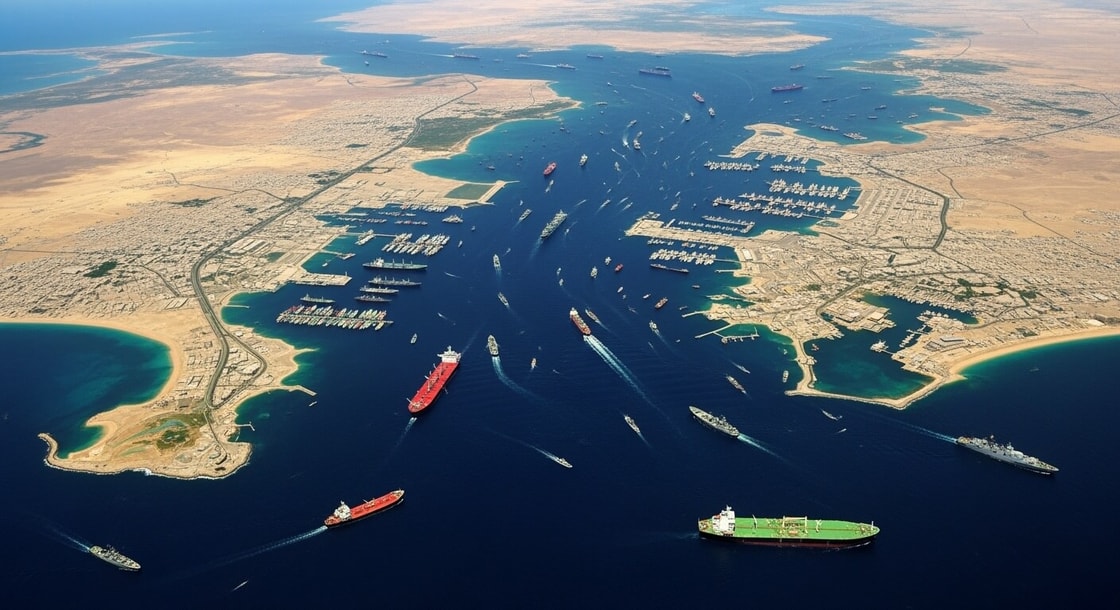
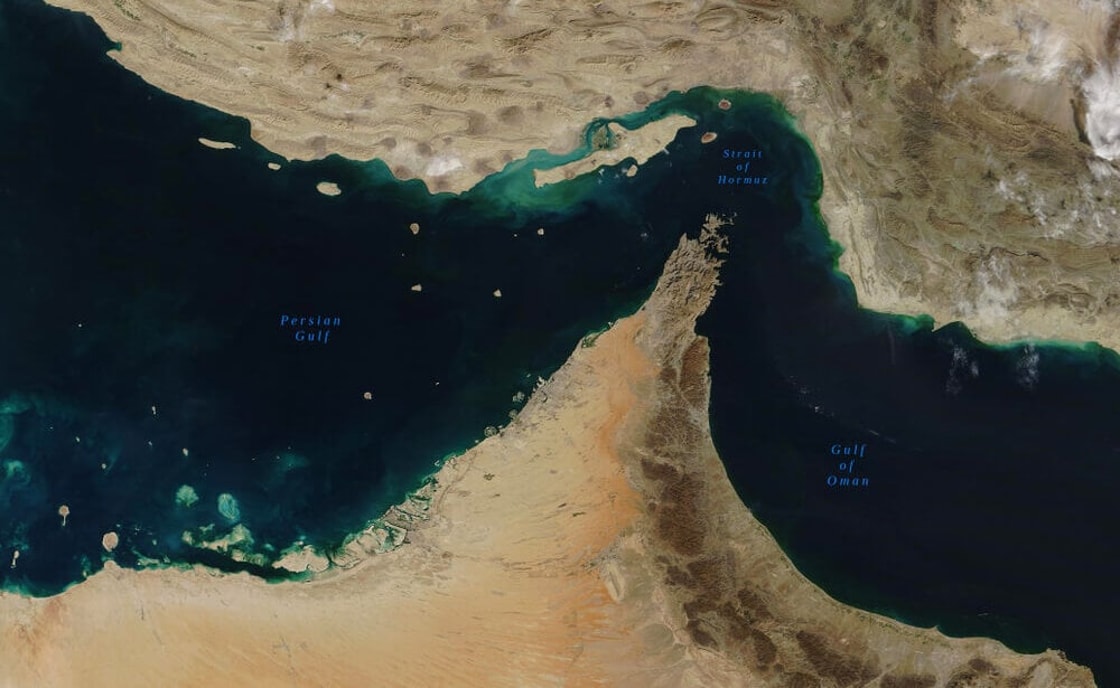
Closely tied to Ras Laffan’s resumption is a solution for the safe passage of shipping through the Strait of Hormuz, which remains elusive.
Resuming Ras Laffan’s LNG and helium production is “more important” than the reopening of the strait, Air Liquide CEO Francois Jackow said .
But four months on, finding a solution to the strait remains imperative for the global economy.
Landon Derentz, Vice-President for Energy and Infrastructure at the Atlantic Council, the international affairs think tank, said the relevant question for US strategy is not whether the closure of Hormuz is painful, but whether that pain is more strategically endurable than the concessions Tehran hopes to extract in return for ending it.
“The energy shock is real. Consumers will pay more for energy and political pressure will mount,” he said.
“It is important that Washington, nonetheless, seize the opportunity this crisis presents to shape the transformation already underway. The goal should not simply be to reopen Hormuz, but rather to construct an energy system in which closing it matters far less.”
One of Wood Mackenzie’s three forecasts , a quick peace, can now be ruled out.
The ‘summer settlement’ scenario assumes negotiations extend into late summer, with the strait remaining largely closed until September.
In this context, oil and LNG supply shortages persist through Q3, driving a shallow global recession in the second half of 2026. Global GDP growth falls below 2%.
Under the most severe scenario, the strait remains largely closed until the end of 2026, with recurring tensions triggering periods of renewed conflict and sustained supply disruption.