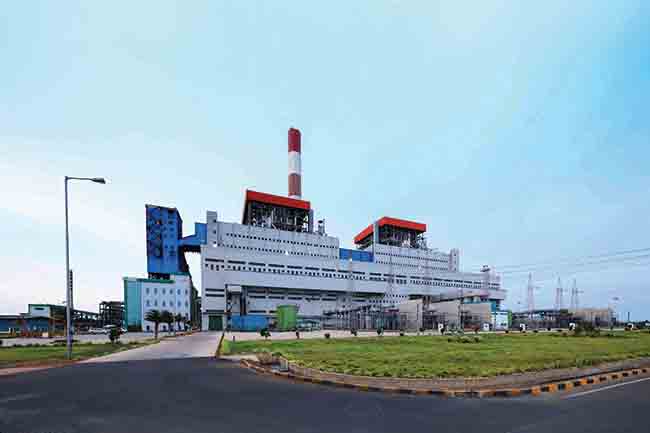
India is steadily moving towards renewable energy while maintaining its focus on national energy goals and international climate commitments. As of March 2025, coal remains the largest source of electricity in the country, contributing 45.28% of the total installed power capacity. However, renewable energy sources, especially solar and wind, are growing at a fast pace, showing India’s commitment to cleaner and more sustainable energy solutions.
By the end of March 2025, renewable energy accounted for 36.27% of India’s total installed power capacity. Solar power was a major driver of this growth. India crossed 105.646 GW in solar photovoltaic capacity by March 2025. The total renewable energy capacity, excluding large hydroelectric projects, reached 172.368 GW. Solar energy made up 61.29% of this renewable capacity and accounted for 22.23% of India’s overall installed power capacity. This marked a 29.13% increase compared to the previous year, reflecting the rapid growth in solar installations.

India’s total installed power capacity grew by 7.52% year-over-year, reaching 475 GW in March 2025. This overall growth shows the country’s dedication to diversifying its energy mix. However, coal remains a dominant part of the energy system, with nearly half of the electricity still coming from coal-fired power plants. Managing the transition to renewable energy while ensuring grid stability and reliable supply remains a challenge.
The expansion of renewable energy is creating new job opportunities, especially in rural and semi-urban areas. Solar and wind projects are helping improve local economies by providing employment, increasing access to electricity, and supporting regional development. These projects are improving the quality of life for many communities across the country.
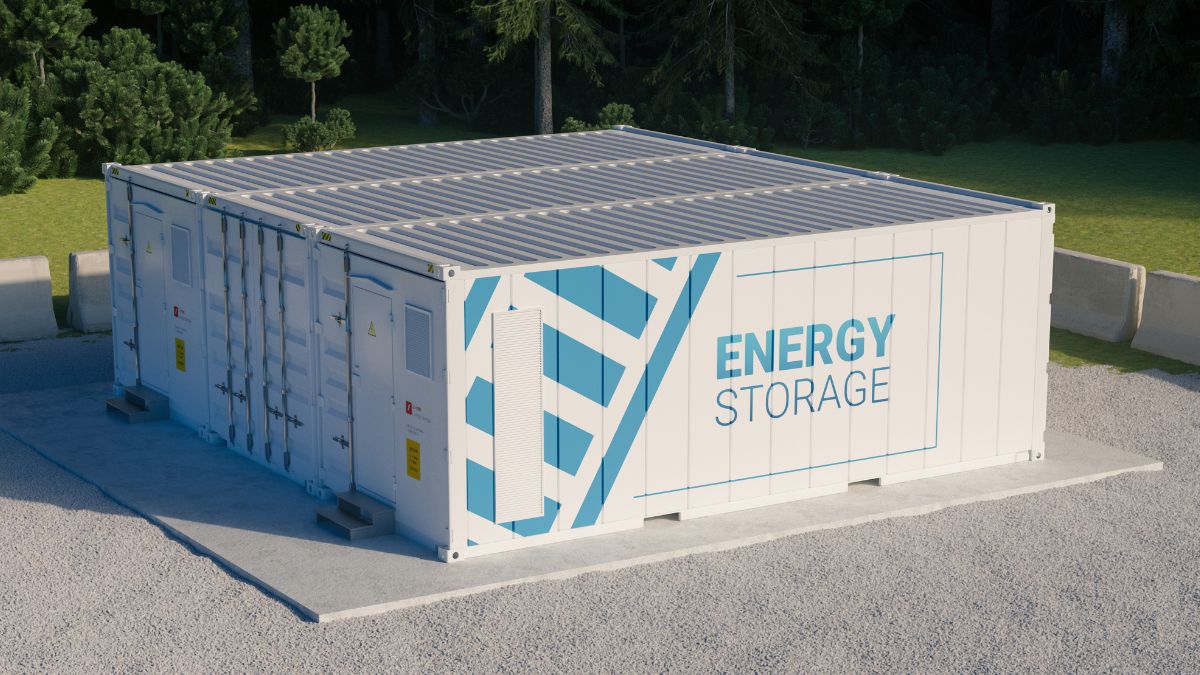
Another important impact of renewable energy growth is improved energy security. By producing more energy from solar and wind, India is reducing its reliance on imported fossil fuels. This also protects the country from global price changes in the energy market. Improvements in energy storage and grid management technologies are making renewable energy more reliable, strengthening India’s ability to meet its future energy needs sustainably.
In 2024 alone, India added over 24.5 GW of new solar capacity. In the first three months of 2025, India installed 7,781.77 MW of solar capacity. Government programs such as the Approved List of Models and Manufacturers for Solar Modules and Cells are promoting the use of high-quality products and encouraging domestic manufacturing.
Recently, the United States imposed new tariffs on several countries, including China, targeting solar panels, cells, and other renewable energy products. This move could indirectly benefit India’s solar PV industry. With Chinese products becoming more expensive in the US market, there could be more opportunities for Indian solar manufacturers to expand exports. It may also encourage global buyers to look for alternatives outside China, including India. However, Indian companies must ensure high product quality and competitive pricing to take advantage of this situation. Overall, while India still faces challenges in scaling up renewables, it is making strong progress and moving closer to becoming a global leader in clean energy.