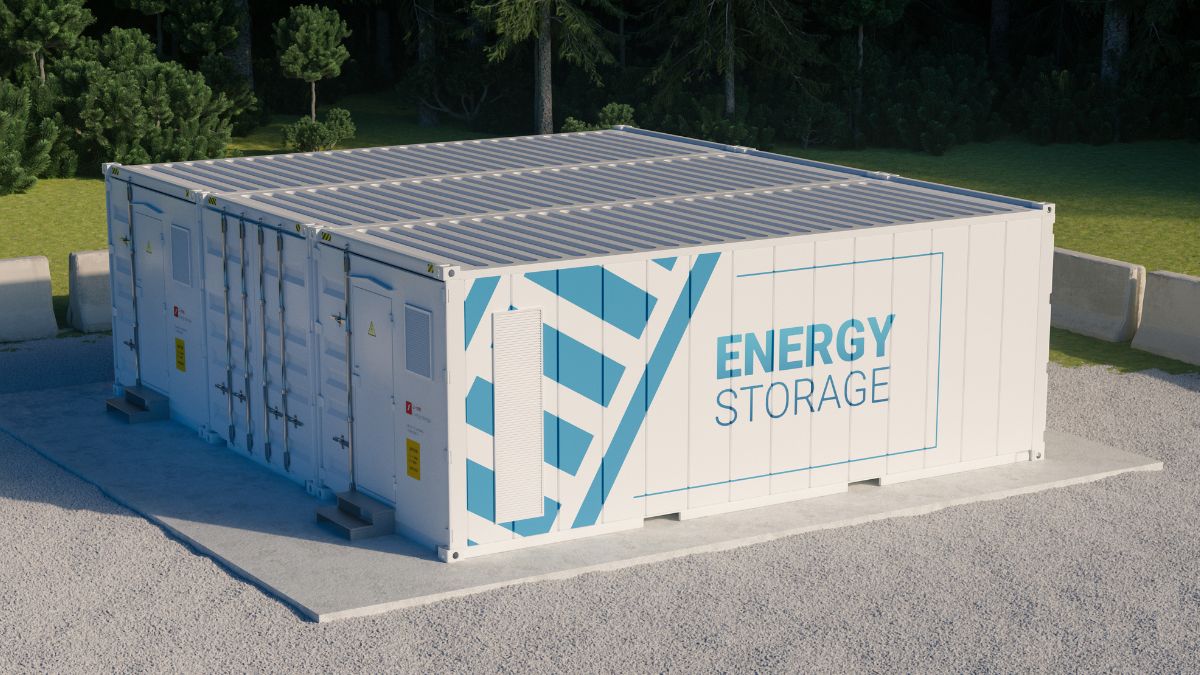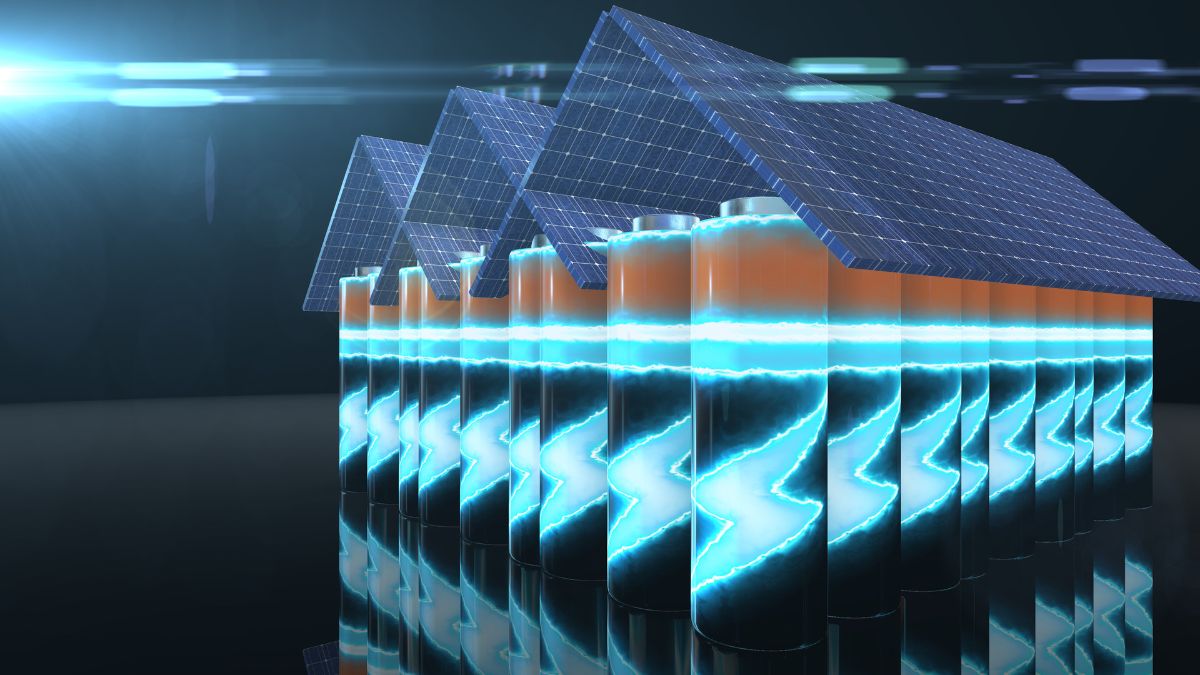
The European Bank for Reconstruction and Development (EBRD) is arranging financing of up to US$265 million (€232 million) for a 1.2 GW solar photovoltaic (PV) power plant integrated with a 600 MWh battery energy storage system (BESS) in Egypt’s Minya governorate. The project is expected to become the largest solar power plant in Egypt and Africa, strengthening the country’s renewable energy capacity, energy security, and electricity grid reliability.
The financing will be provided to Nefer Menya for Renewable Energy S.A.E., a special purpose vehicle owned by Infinity Power and HAU Energy B.V. The EBRD’s financing package will include a US$160 million (€140.1 million) A-loan from its own funds, a US$75 million (€65.7 million) B-loan mobilised from Bank of Jordan and up to US$30 million (€26.3 million) in concessional financing from the Climate Investment Funds’ Clean Technology Fund (CTF) under its Global Energy Storage Program.
The project will also receive financing from German development finance institution DEG, the Dutch Entrepreneurial Development Bank (FMO) and France’s Proparco. The combined debt financing package for Nefer Menya is expected to reach up to US$566 million (€494.7 million), supporting the construction and operation of the solar power plant and its associated battery storage infrastructure.
The 600 MWh battery energy storage system will store electricity generated by solar panels during daylight hours and supply power during peak demand periods after sunset. This integration of renewable generation and storage is expected to improve grid stability and reliability while increasing the availability of clean electricity. The project will sell its electricity to the Egyptian Electricity Transmission Company under a 25-year power purchase agreement, providing renewable power at a lower cost than conventional generation.
Once operational, the facility is expected to avoid more than 1.5 million tonnes of carbon dioxide emissions annually and supply electricity to over 1.4 million homes. The project will also support Egypt’s efforts to reduce dependence on conventional power generation and imported fuels while expanding its domestic renewable energy infrastructure.
The investment forms part of the EBRD-led Energy Pillar of Egypt’s Nexus of Water, Food and Energy initiative, launched at COP27. The initiative aims to facilitate the development of 10 GW of new private-sector renewable energy capacity while reducing 5 GW of inefficient fossil-fuel capacity. Egypt has also set a target of generating 42 per cent of its electricity from renewable sources by 2030.
According to Aida Sitdikova, EBRD Director of Sustainable Infrastructure in the Middle East and Africa, the project will strengthen Egypt’s energy security and enhance grid resilience by combining large-scale solar generation with utility-scale battery storage. The EBRD highlighted the project as a major step towards affordable renewable electricity and the country’s broader energy transition.
Infinity Power, established in 2019 as a joint venture between Infinity and Masdar, is described as Africa’s largest pure-play renewable energy provider. The company aims to reach 10 GW of operational renewable energy capacity by 2032. HAU Energy was established in 2024 to develop renewable energy projects in Egypt and is owned by Meridiam, Hassan Allam Utilities and the EBRD.
Beyond infrastructure financing, the Clean Technology Fund will support technical training programmes in Minya. The initiative will introduce two nationally accredited programmes focused on green skills for young people entering the labour market, improving employability in the renewable energy sector. Funding will also support Hassan Allam Utilities in strengthening human resources policies, promoting gender equality and improving women’s access to technical and leadership positions.
The EBRD has invested more than €16 billion across 238 projects in Egypt since beginning operations in the country in 2012, reinforcing its role in supporting private-sector investment and sustainable infrastructure development.
Subscribe to get the latest posts sent to your email.