Indian battery energy storage system provider AmpereHour Energy has announced a strategic partnership with Ampt, a company specialising in DC power optimisation technology for large-scale solar and energy storage applications. Under the agreement, AmpereHour Energy will distribute and provide services for Ampt’s DC power management products across India, South Asia, the Middle East, and Africa.
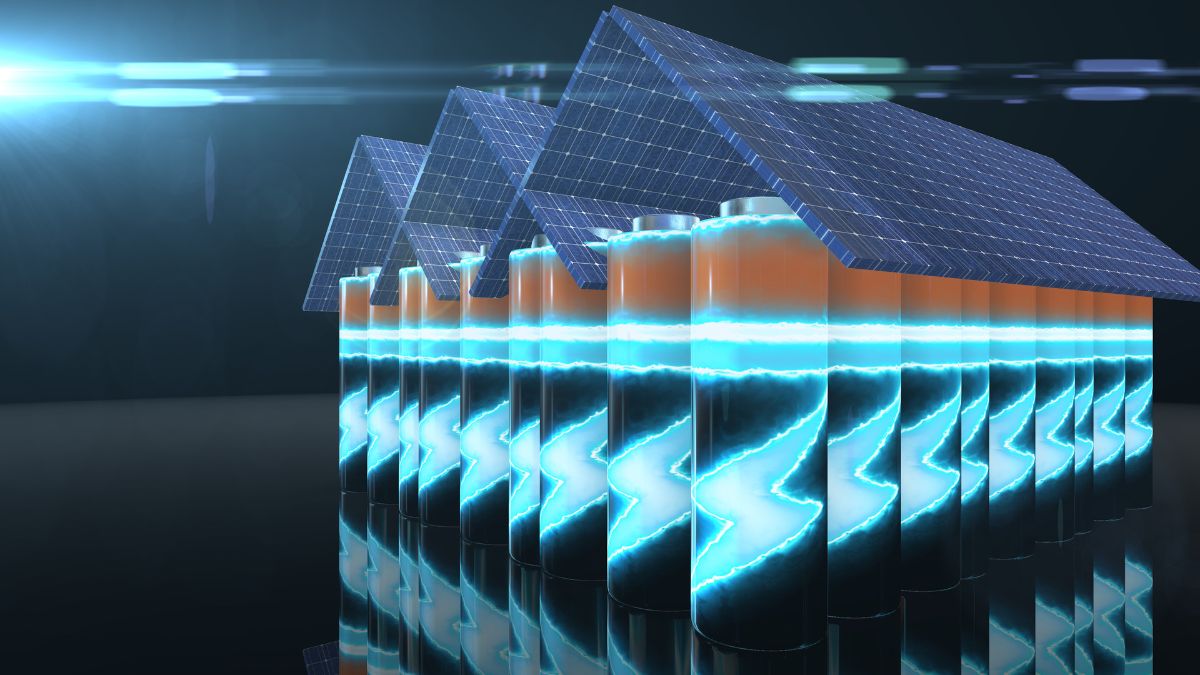
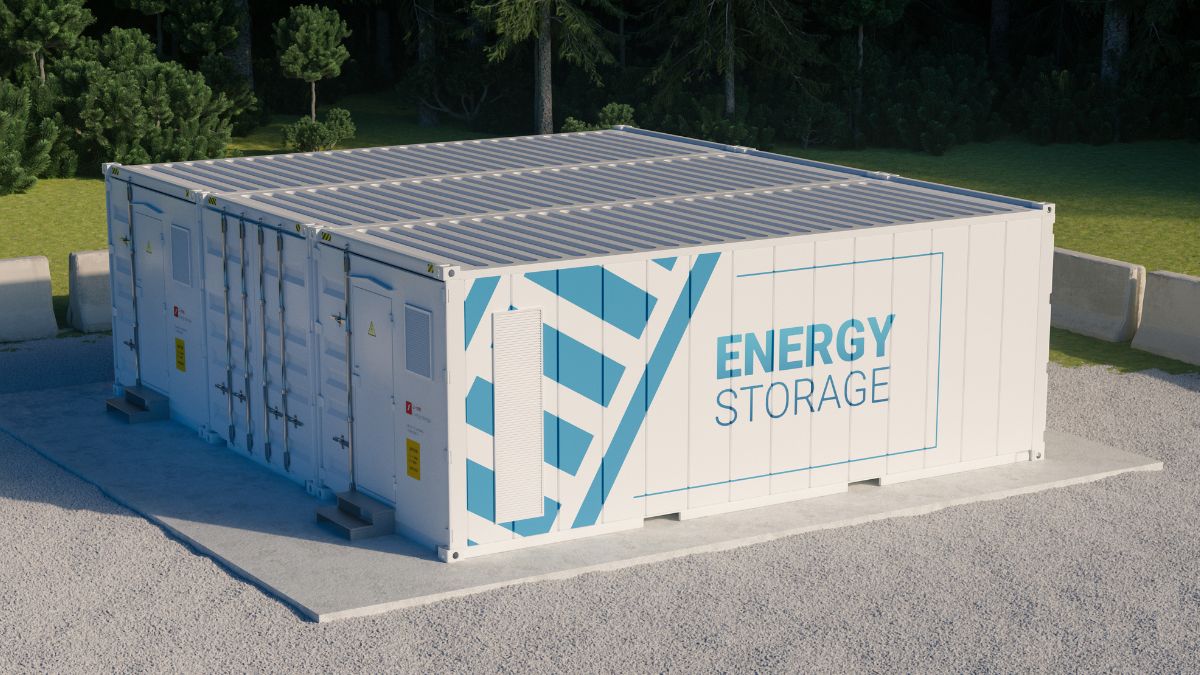
The partnership aims to advance direct-to-battery (D2B) DC-coupled energy storage solutions for utility-scale and commercial applications. By combining Ampt’s String Optimizers and D2B architecture with AmpereHour Energy’s battery storage integration, energy management software, and project service capabilities, the companies intend to improve system efficiency, reduce project costs, and strengthen grid reliability.
The integrated solution will combine AmpereHour Energy’s battery energy storage systems, DC recombiner, and energy management system (EMS) with Ampt’s String Optimizers. The EMS incorporates real-time control algorithms designed to support system performance, operational safety, and risk management throughout the project lifecycle.
The collaboration will address several applications, including DC-coupled battery storage for utility-scale solar power plants, data centres, electric vehicle DC charging infrastructure, solar repowering, photovoltaic-only installations, co-located green hydrogen projects, and battery capacity augmentation.
Ampt’s D2B technology connects solar photovoltaic arrays directly to the battery’s DC bus. This configuration is designed to reduce capital expenditure, improve round-trip energy efficiency, and enhance long-term system performance and reliability.
The technology uses DC/DC converters installed within the solar array to perform string-level maximum power point tracking (MPPT). These optimizers help maximise solar energy production while adapting to the battery voltage as the battery charges and discharges.
Unlike conventional configurations that may require a dedicated battery converter, the D2B architecture performs DC/DC conversion within the photovoltaic system. This approach can simplify system design and reduce overall equipment requirements.
The companies expect the partnership to support the deployment of cost-effective energy storage solutions across multiple markets. By integrating solar generation and battery storage through a DC-coupled architecture, the collaboration seeks to improve project returns while supporting reliable and efficient renewable energy integration.
Subscribe to get the latest posts sent to your email.