Independent Chinese refiners have started to experience difficulties in procuring cheap Iranian crude oil while others have stopped purchases from Iran, after the United States sanctioned two independent refiners in the past two months, sources with knowledge of the issue have told Reuters.
Chinese crude oil imports topped 12 million barrels per day (bpd) in March, the highest volume since August 2023, as flows of Iranian and Russian crude rebounded from the lows seen early this year with the U.S. sanctions.
However, in March and April, the U.S. sanctioned two small independent Chinese refiners, also known as “teapots” for purchasing and transporting Iranian oil, as part of President Donald Trump’s “maximum pressure” campaign on Iran to force it to negotiations over its nuclear program.
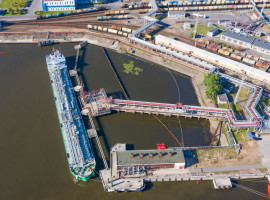
The U.S. Department of State in March sanctioned Huaying Huizhou Daya Bay Petrochemical Terminal Storage, an oil terminal in China, for buying and storing Iranian crude oil from a sanctioned vessel. At the same time, the Department of the Treasury sanctioned China-based Shandong Shouguang Luqing Petrochemical Co., Ltd., a “teapot” oil refinery, for purchasing and refining hundreds of millions of dollars’ worth of Iranian crude oil.
The United States issued in April a fresh round of sanctions on Iran’s oil industry, targeting, once again, Chinese importers. More specifically, the Department of the Treasury added another independent Chinese refiner to its list of sanctioned entities for buying crude from Iran.
The U.S. designated China-based independent “teapot” refinery Shandong Shengxing Chemical Co., Ltd., “for its role in purchasing more than a billion dollars’ worth of Iranian crude oil, including from a front company for Iran’s Islamic Revolutionary Guard Corps-Qods Force (IRGC-QF),” Treasury said.
The sanctions have created hurdles for the two Chinese refiners to receive crude, while they have also deterred other teapot refineries, including larger independents, from buying crude from Iran, according to three of Reuters’ sources.
Five refineries in the Shandong province, home to the teapots, stopped buying Iranian crude in April for fear of being next on the list of sanctions, two trading executives told Reuters.
By Charles Kennedy for Oilprice.com
More Top Reads From Oilprice.com
- The Market Is Well Supplied – So Why Is Saudi Arabia Raising Oil Prices?
- Weak Chinese Imports Sink Asia’s Coal Prices to Four-Year Low
- World Bank: Get Ready for a Commodity Price Freefall