By
1 hour ago 3 min read
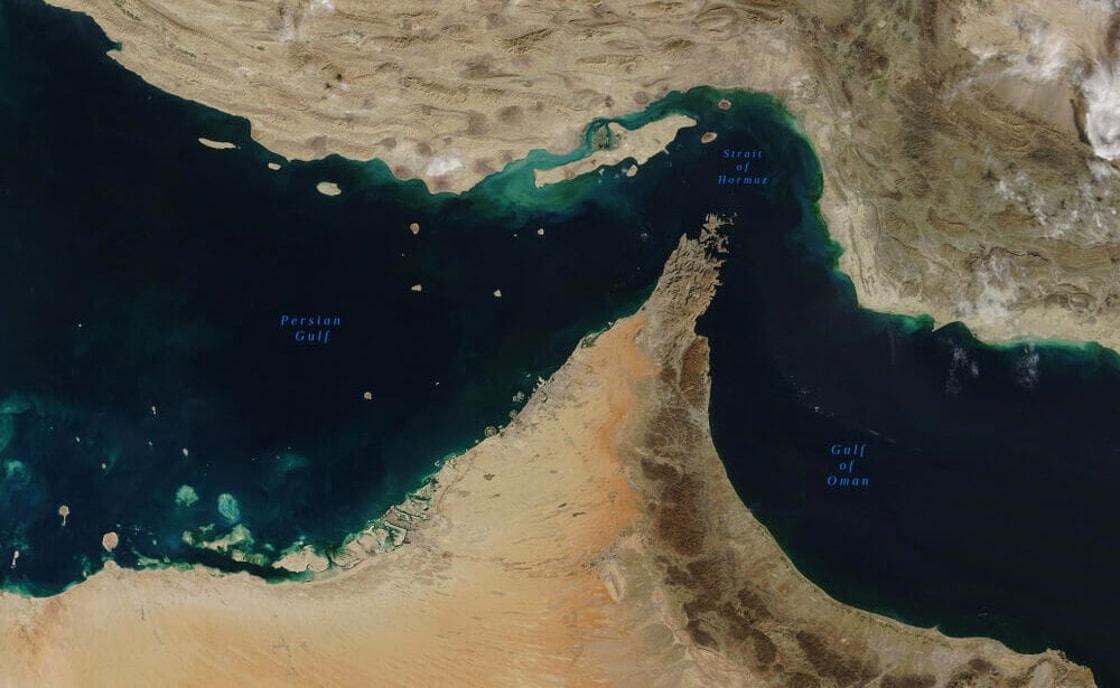
As gasworld’s Helium Summit in Houston gets underway, the question of how to face the realities of restoring the global helium supply chain if the Strait of Hormuz reopens is at the forefront of discussion.
“[Qatar Energy said] that they could restore full production in several weeks if the Strait of Hormuz really reopened,” Phil Kornbluth, founder and President of Kornbluth Helium Consulting, told delegates.
However, he said it would logistically take two to three months to reposition containers deployed to North America and Asia and refill them in Qatar.
“This is not [an] instantaneous supply chain. It’s a… long supply chain,” he noted.
Megan Sutcliffe, Principal Analyst at Sibylline, Middle East and Africa, corroborated this sentiment, stating that helium exports would be unlikely to resume in the fourth quarter of 2026 or even the first quarter of 2027 even if a firm agreement were secured to reopen the Strait of Hormuz.
She said this is due to a combination of several factors, including the act of bringing liquefied natural gas (LNG) trains online and the time it would take for purification and liquefaction operations to be restored.
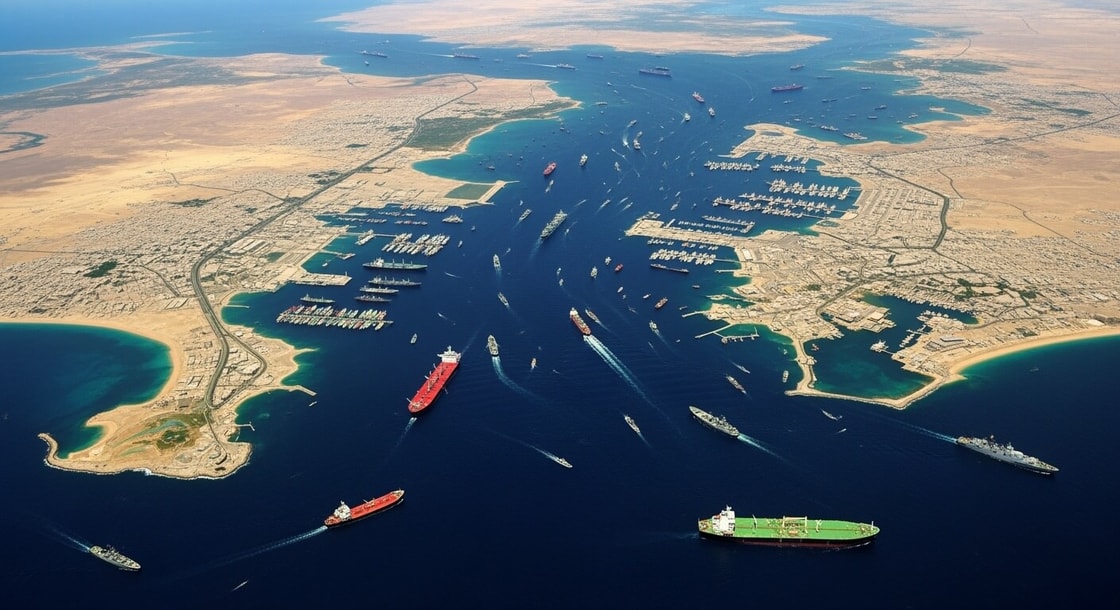
“[This is paired with] the second factor of the backlog of vessels in the Strait of Hormuz and the Persian Gulf, and the logistical adjustment that would be required to facilitate maritime exports once again,” she noted.
Restarting Qatari helium production
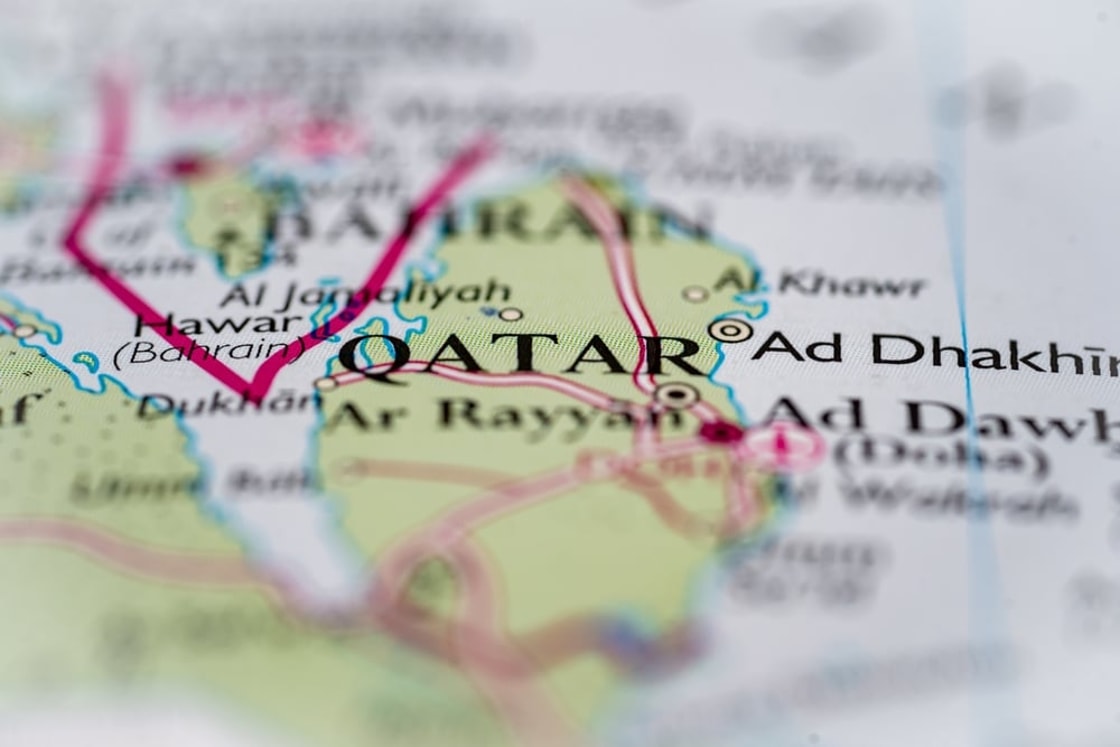
QatarEnergy announced it partially restarted production at its Helium 2 facility in Ras Laffan Industrial City on 30 June, however, Helium 1 and Helium 3 (Barzan) currently remain offline.
Over 80% of Qatar’s output is produced as a byproduct of LNG production from their Helium 1 and Helium 2 facilities in Ras Laffan Industrial City.
The Helium 2 facility has a nameplate capacity of about 1.3 billion cubic feet a year, but according to Kornbluth it is currently producing at the rate of approximately 59 containers per month.
“Somewhere in that 30% to 40% [helium production] rate is probably…where they’re going to be until the next major change in the Middle East, and again a lot of unknowns,” Kornbluth noted.
An internal explosion occurred at QatarEnergy’s Barzan gas processing facility on 21 June, caused by a technical malfunction during operations at a factory in Ras Laffan Industrial City.
“Roughly 10% of the world’s helium supply is going to be down for an extended period. That’s between Barzan and the two trains that were damaged in Ras Laffan,” Kornbluth noted.
Looking ahead, he said, “If I had to bet on it right now, I’d say there’ll be very plentiful supply, probably around by 2030, maybe 2029.”