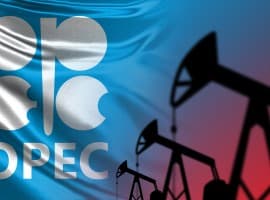
Kazakhstan’s oil production rose 2% in May, defying yet another OPEC+ quota and testing the limits of Saudi Arabia’s patience with overproducers. According to an industry source cited by Reuters, the country pumped an average of 1.86 million barrels per day (bpd) of crude in the first 19 days of May—well above its OPEC+ target of 1.486 million bpd.
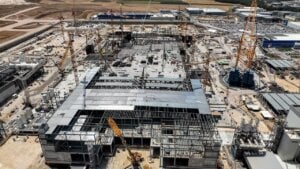
The increase comes after Kazakhstan’s energy ministry said earlier this month that there would be no cut to its crude and condensate levels—a cut which would be necessary to comply with its OPEC+ obligations. But the ministry insists production will not rise further this year, citing that the giant Tengiz field, operated by Chevron and ExxonMobil, has now hit its planned output level.
This isn’t Kazakhstan’s first rodeo when it comes to overproducing. In March, the country hit a record 2.17 million bpd of combined crude and condensate output—much of it thanks to Chevron’s 260,000-bpd expansion at Tengiz. April output dropped slightly but still breached the quota. And now May’s rise adds fuel to the fire just as OPEC+ members like Saudi Arabia have begun loosening their own taps, partly to punish noncompliant producers with lower prices.
Kazakhstan has promised to “compensate” by shaving 1.3 million barrels from cumulative output by 2026. But with Western oil majors firmly in control of Kazakhstan’s biggest fields, that promise is more theoretical than enforceable. Chevron’s CEO has flatly stated the company does not engage in OPEC+ coordination.
Meanwhile, higher volumes haven’t translated to higher revenues. With oil prices hovering near multi-year lows, Kazakhstan’s National Oil Fund revenues are down 43% year-on-year, and analysts warn more withdrawals may be needed this fall to plug budget gaps.
Kazakhstan is pumping hard, promising later, and betting that nobody really wants to be the one to pull the plug on Tengiz.
By Julianne Geiger for Oilprice.com
More Top Reads From Oilprice.com
- Australia Set To Miss Energy Transition Targets
- EOG Goes Desert Wildcatting in UAE Shale Play
- U.S. Shale Output Nearing Peak as Oil Prices Stagnate