• How do you view the current market dynamics of solar asset management in India, and what key trends are attracting investor interest in this space?
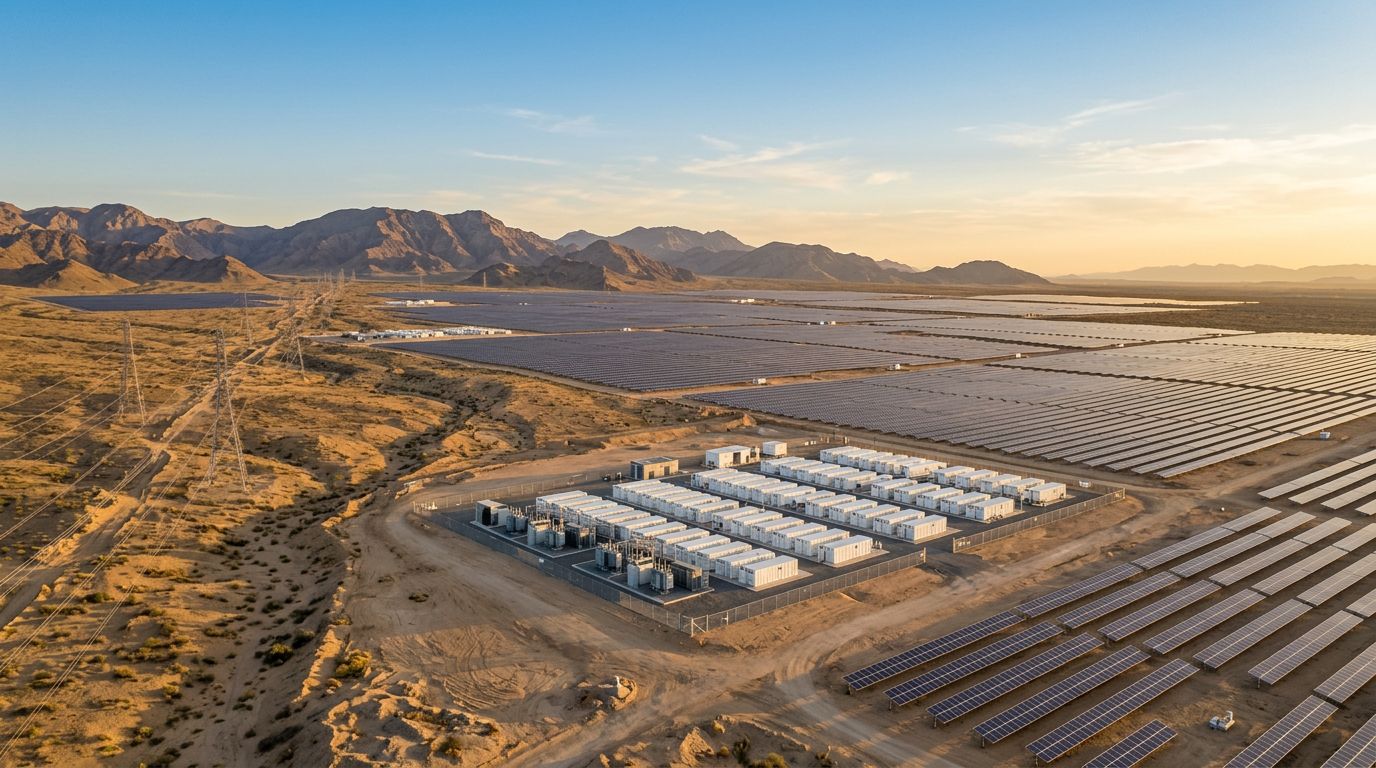
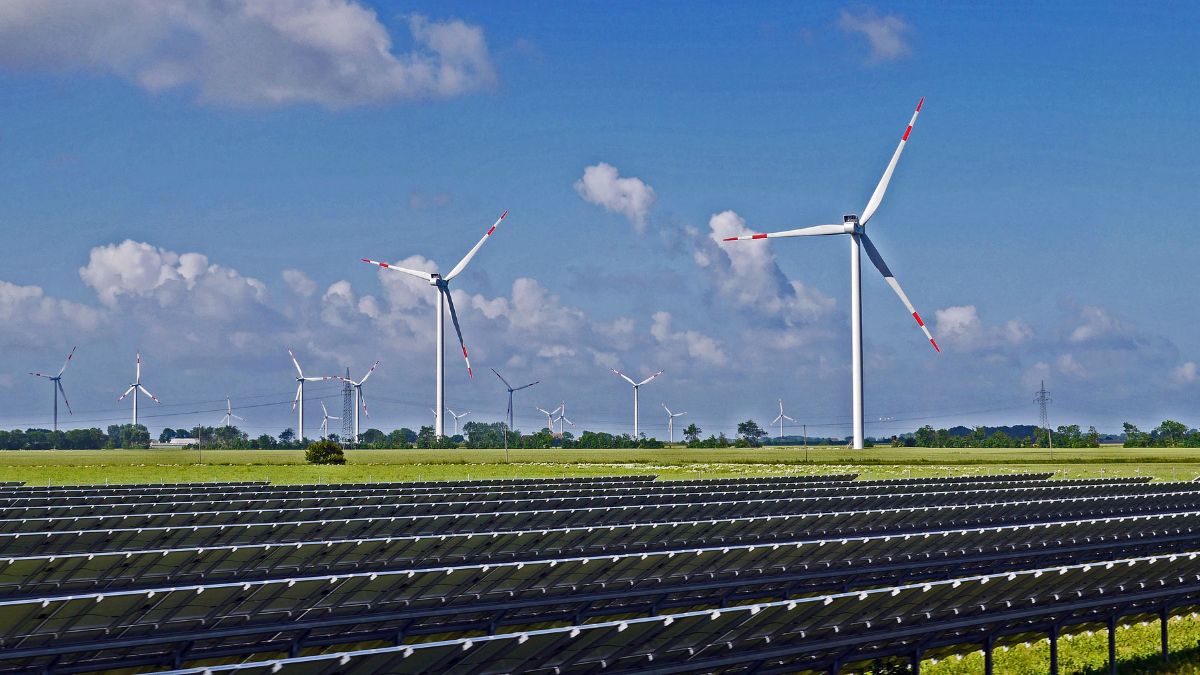
India’s solar asset management market is experiencing rapid growth in line with the target of installing renewable energy (RE) capacity of 500 GW by 2030. This momentum is driven by the emergence of high-efficiency solar cells and modules; a strong focus on their domestic production; and policies that encourage domestic as well as foreign investments in solar and energy storage technologies. The market is also adopting innovative financing instruments and sharpening its focus on sustainability and energy access. The installed solar capacity in the country grew from 2.82 GW in 2014 to 97.86 GW in December 2024, including an addition of 24.34 GW of solar power capacity in 2024 alone, a 33.47% increase over the previous year.
- What operational and financial challenges do solar asset managers face in India, and how does Apraava Energy mitigate these risks?
With the type of RE growth in India, the major challenge is quality of services due to shortage of skilled manpower / O & M teams which impacts the safety, reliability & performance of the plant, and continuous increase in cost of services, which is paramount for any investor. Further, managing distributed assets is complex—requiring engagement with local stakeholders, ensuring plant security, maintaining work quality, and adapting to extreme weather conditions like dust storms and cyclonic rains. Data quality management in large power plants is also critical; delays or inaccuracies can lead to financial losses. The lack of Computerized Maintenance Management Systems (CMMS) across the industry further increases equipment failure risks, reduces efficiency, and causes costly downtime.
Financially, challenges include securing affordable capital, coping with high initial investment costs, and managing fluctuating returns on investment.
At Apraava, we’ve a structured approach to address these issues. We engage independent service providers through competitive bidding for comprehensive asset management, overseen by our in-house asset managers.
We prioritize a safe and inclusive work environment. Before site work begins, teams receive thorough field and classroom training on Apraava’s safety and technical protocols. Our on-ground teams are encouraged to suggest ways to reduce downtime, cut costs, and enhance performance. This culture of safety, empowerment, and mutual respect helps us retain talent over the long term.
We’ve also digitalized reporting and implemented CMMS to enable proactive maintenance and minimize downtime. Strong relationships with local stakeholders further support smooth operations, especially in resolving ‘right of way’ issues.
- How important are digitalization and predictive maintenance in improving asset performance and investment returns in utility-scale solar projects?
Digitalization and predictive maintenance are essential for enhancing asset performance and maximizing returns in utility-scale solar projects. By enabling proactive maintenance and data-driven decision-making, they help optimize operations, reduce costs, and increase energy yield.
Advanced analytics and Artificial Intelligence (AI) shift the approach from reactive to predictive maintenance, ensuring continuous performance optimization across the plant’s lifecycle. AI-supported protocols—such as smart cleaning schedules based on real-time data—can boost energy generation efficiency by 3–5% annually while reducing maintenance costs.
Precise forecasting, powered by AI and Machine Learning algorithms, analyzes real-time sensor and meteorological data to optimize solar output and support grid stability. This enhances the reliability of solar integration into the grid and helps operators manage the intermittent nature of solar energy more strategically.
- What factors do investors prioritize when evaluating solar assets in India, and how can companies meet these expectations?
Investors prioritize a combination of factors when evaluating solar assets in India, including financial performance, technical feasibility, and the overall investment landscape. Key factors include the asset’s return on investment, the developer’s financial health and track record, access to financing, government subsidies, availability of land and grid infrastructure, and energy offtake agreements.
To meet these expectations, companies must demonstrate strong operational performance and sector expertise. Investors typically look for
- Proven asset performance over time, supported by a track record of timely energy delivery and payments
- Regulatory compliance, including certifications, licenses, and adherence to the latest guidelines from the CEA (Central Electricity Authority) and state DISCOMs (Distribution Companies)
- Robust technical quality, including high-standard equipment, proper documentation of land and assets, and transparent operational records
- Efficient receivables management, including predictable payment timelines from buyers or DISCOMs
- Satisfied off-takers, especially DISCOMs or private buyers with reliable operational relationships
Meeting these criteria builds investor confidence and improves the likelihood of securing long-term capital.
- How does regulatory and policy stability influence asset management strategies and foreign investment in India’s solar sector?
Regulatory and policy stability plays a critical role in shaping asset management strategies and attracting foreign investment in India’s solar sector. A predictable and transparent policy environment builds investor confidence, encouraging long-term commitments and increasing the flow of foreign direct investment (FDI).
Stable regulations reduce uncertainty, enabling asset managers to plan proactively and adopt more diversified, long-term strategies. Efficient and transparent project approval processes further enhance investor trust by minimizing delays and regulatory risks.
Additionally, a well-established grid integration infrastructure for renewable energy projects ensures efficient delivery of clean power, further boosting investor confidence.
- What innovations or business models are reshaping the market and enhancing solar asset value in India?
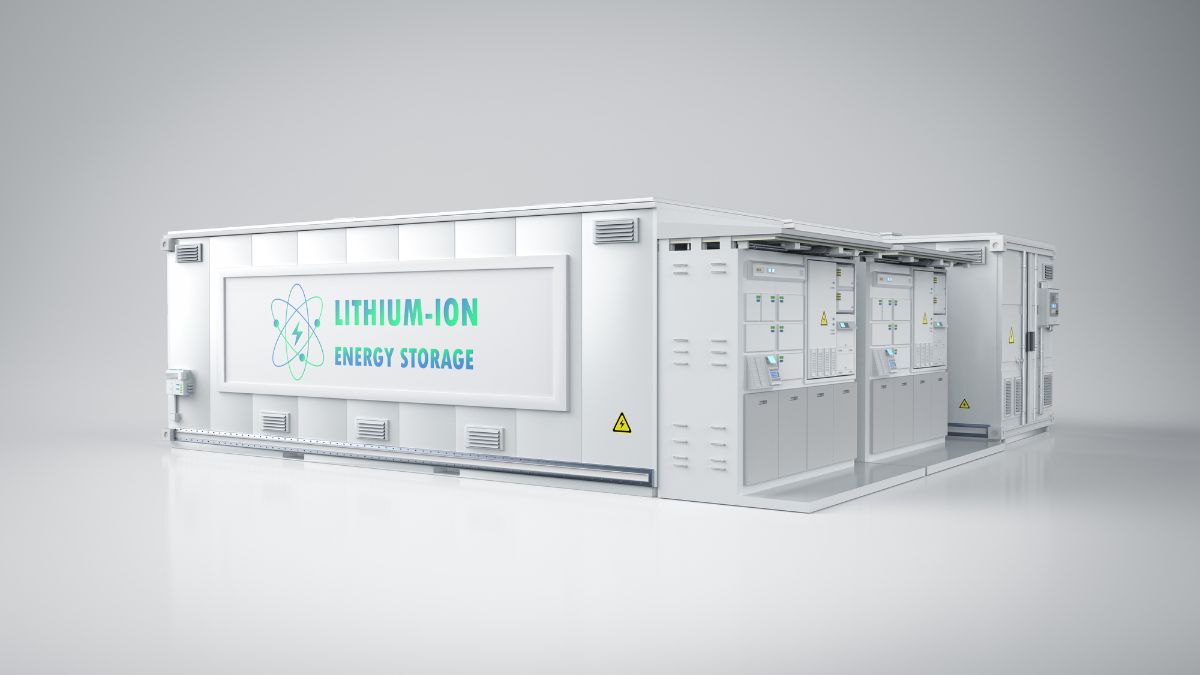
As the world accelerates its shift towards cleaner energy, a wave of technological innovations is transforming the solar power landscape, enhancing both its efficiency and accessibility. Technological advancements such as higher-efficiency solar panels are increasing energy output, making projects more economically viable. Energy storage solutions like batteries are helping to overcome the intermittency of solar power, improving energy independence and grid reliability.
Innovative deployment models, such as floating solar on water bodies, not only conserve valuable land but also improve panel performance through natural cooling.
Additionally, policy mechanisms like net metering incentivize solar adoption by crediting system owners for surplus electricity fed back into the grid, further promoting energy independence and financial viability.