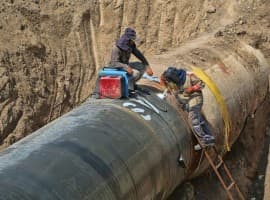
Turkey wants Iraq to ensure that the oil pipeline from the semi-autonomous Iraqi region of Kurdistan to the Turkish port of Ceyhan on the Mediterranean is utilized to its capacity as Ankara and Baghdad are discussing terms of extending the pipeline agreement expiring next year.
“This pipeline has a capacity of almost 1.5 million barrels per day. There’s no flow at the moment. Even when it did flow, it was never at full capacity,” Turkish Energy Minister Alparslan Bayraktar said, as carried by Reuters.
Turkey is proposing expanding the pipeline to fields in southern Iraq, according to the Turkish energy minister.
“It (the pipeline) doesn’t have to be filled entirely with oil from Iraq. To reach those figures, the pipeline needs to reach the south anyway,” Bayraktar was quoted as saying.
Turkey last week signaled it will seek to renegotiate the decades-long agreement with Iraq for the pipeline carrying oil from Kurdistan to Ceyhan, flows on which have been suspended for more than two years.
The Turkey-Iraq Crude Oil Pipeline Agreement for the Kirkuk to Ceyhan line expires on July 27, 2026, according to a Turkish decision published in the Official Gazette.
Turkey seeks to negotiate the agreement, which was first signed in 1973, an unnamed senior Turkish official told Reuters last week.
“A new and vibrant phase for the Iraq-Turkey pipeline will benefit both countries and the region as a whole,” according to the Turkish official.
Turkey has also proposed expanding the pipeline deal to include energy cooperation in oil, gas, electricity, and petrochemicals.
It’s clear that the country is unhappy with the underutilization of the pipeline, flows on which were suspended in March 2023, due to a dispute over who should authorize the Kurdish exports. Despite numerous assurances of a restart of crude flows on the pipeline, it remains halted amid ongoing disputes.
By Tsvetana Paraskova for Oilprice.com
More Top Reads From Oilprice.com
- Chinese Refiners Boost Fuel Exports Amid Higher Margins
- Mexico’s Oil Giant Pemex Posts Rare Profit for Q2
- Indian Gas Giant Seeks U.S. LNG Cargo Swap