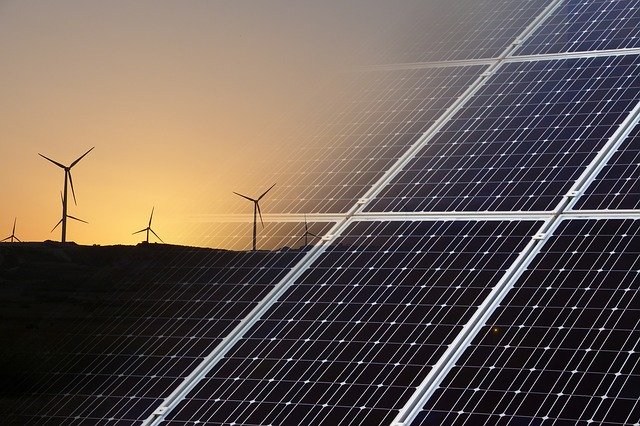
India is expanding its renewable energy sector at a rapid pace while trying to meet its rising energy demand and climate commitments. As of July 2025, coal continues to be the largest source of electricity, making up 44.17 percent of the country’s total installed power capacity. At the same time, renewable energy, led by solar and wind, is becoming an increasingly important part of the national power mix.
In the first seven months of 2025 alone, India added 21,151.82 megawatts of new solar capacity. This strong growth is supported by government measures such as the Approved List of Models and Manufacturers, which ensures quality standards for solar modules and boosts domestic manufacturing. By August 2025, India had achieved 100 gigawatts of solar PV module manufacturing capacity under the ALMM framework, marking a significant milestone in its efforts to strengthen local production and reduce reliance on imports.
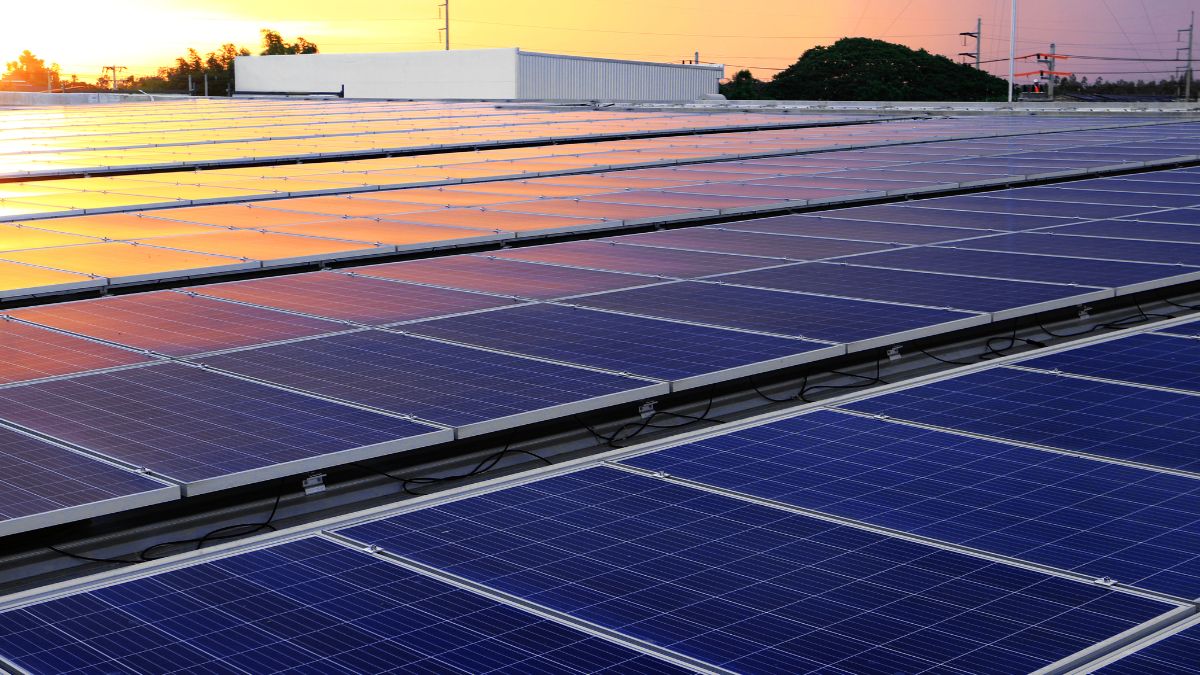
By the end of July 2025, renewable energy sources accounted for 38.33 percent of the country’s total installed power capacity. Solar power has played the largest role in this growth. India’s total installed solar photovoltaic capacity stood at 119.016 gigawatts, which is 63.35 percent of the total renewable capacity. Solar energy now contributes 24.29 percent to the overall power mix, reflecting an annual increase of 36.47 percent compared to the previous year. This shows the speed with which solar projects are being deployed across the country.
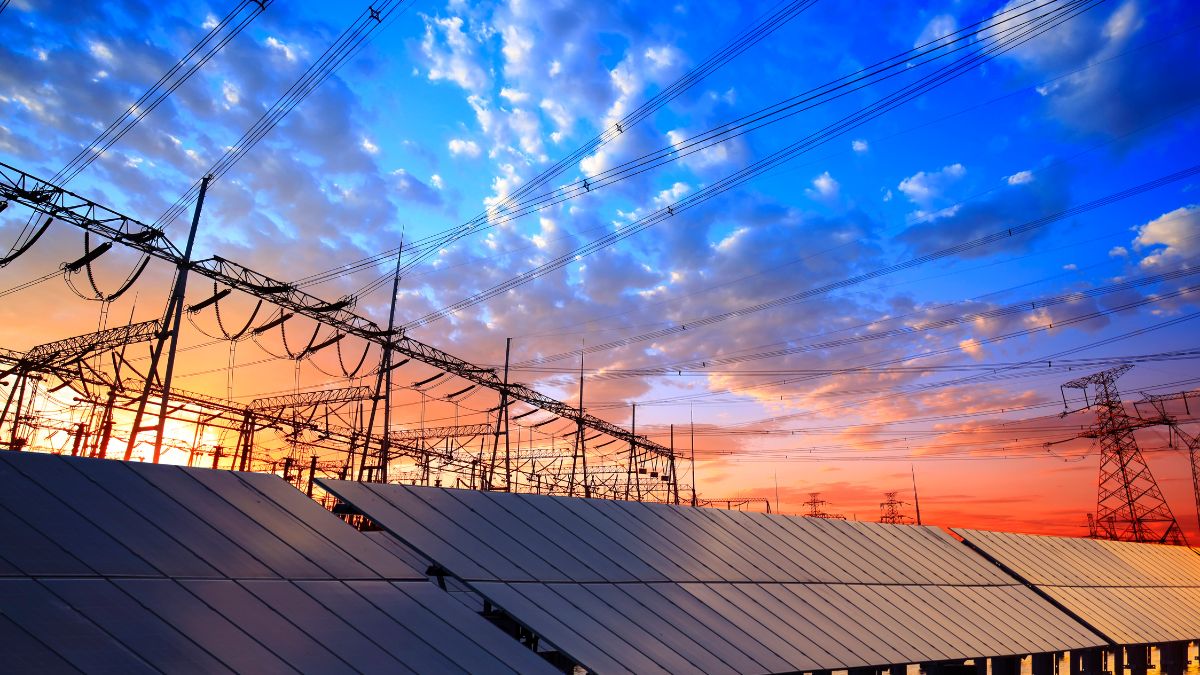
India’s total installed power capacity reached 490 gigawatts in July 2025, recording an annual growth rate of 9.3 percent. Despite the impressive rise in renewable sources, coal-based power still provides nearly half of India’s electricity, underlining the challenges of fully transitioning to clean energy. Managing grid stability and ensuring a reliable power supply remain critical issues as more renewable capacity, which is variable, is integrated into the system.
The expansion of renewable energy is not only helping reduce emissions but also bringing socio-economic benefits. Solar and wind projects are generating employment opportunities, particularly in rural and semi-urban areas. These projects are contributing to local economies, improving electricity access, and driving development in remote regions, thereby enhancing the quality of life for many communities.
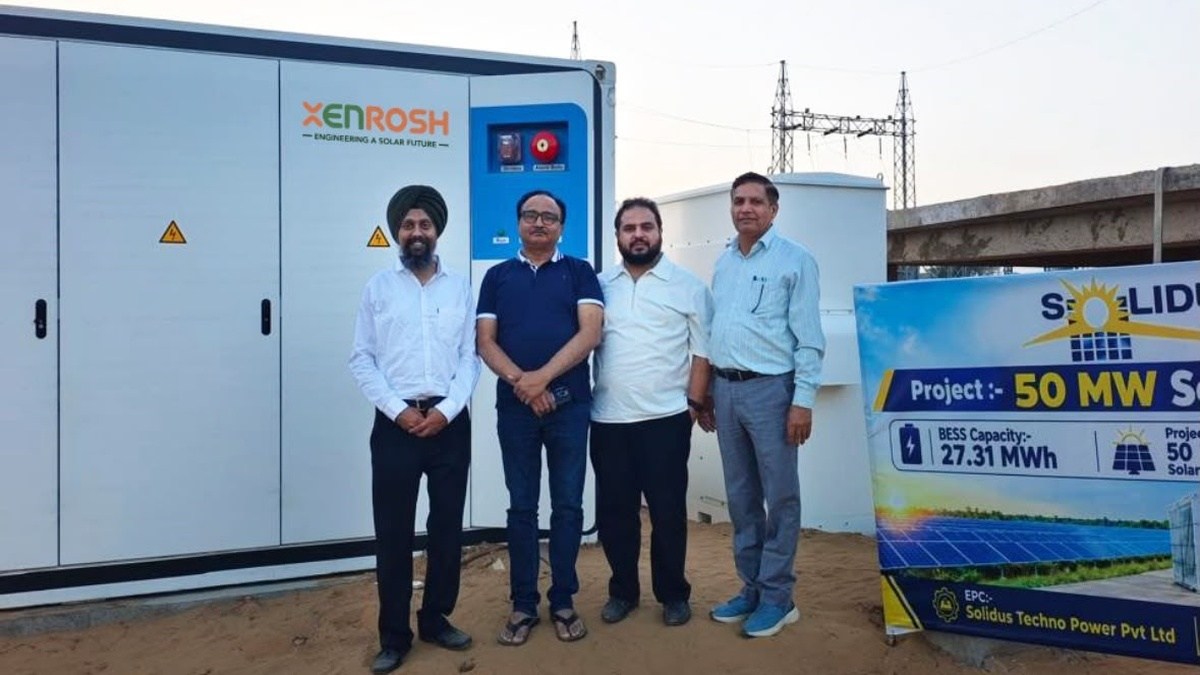
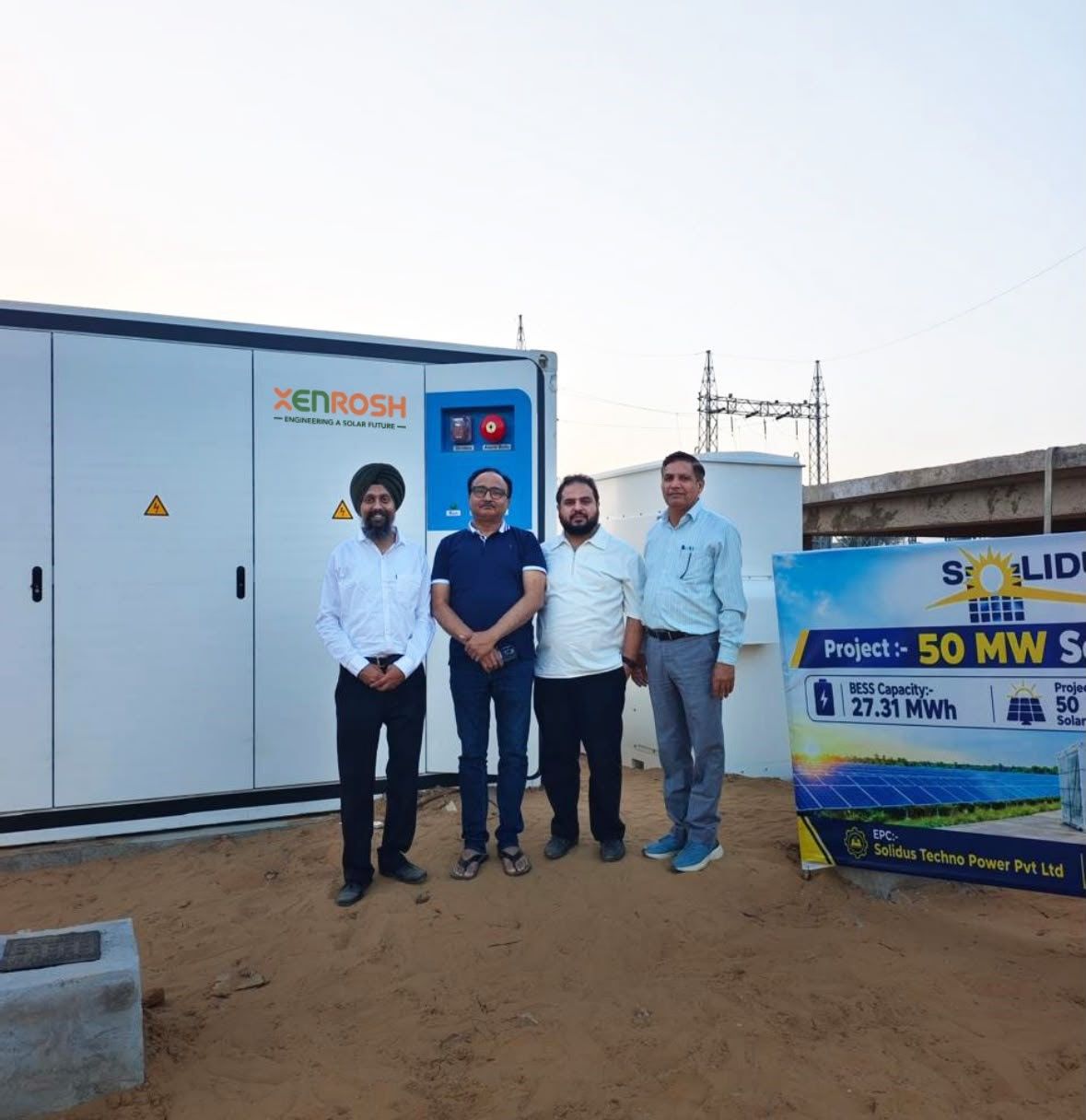
At the same time, renewable energy is strengthening India’s energy security by cutting down reliance on imported fossil fuels. This reduces the economy’s exposure to sudden swings in global fuel prices. Advances in energy storage and grid technology are further making renewable power more reliable and easier to manage.
Global market changes are also opening opportunities for Indian solar manufacturers. India’s energy journey shows both progress and challenges. The steady growth of renewables, especially solar, highlights the country’s determination to move toward a cleaner and more self-reliant energy system while ensuring energy security and economic growth.

Subscribe to get the latest posts sent to your email.